


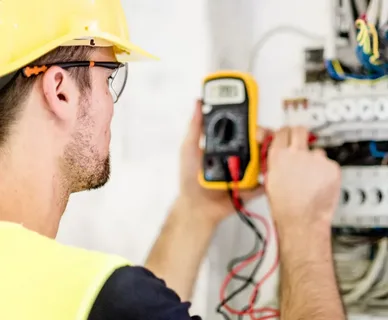
Smart homes can feel confusing at first. You want comfort, safety, and savings. However, who connects all the dots without stress? Here's the short answer. You plan the system. A pro wires and configures it. Then they test it. Next, they teach you. Finally, you enjoy easy control. In many homes, expert electrical contractors in Bridgewater NJ make that smooth. In this guide, I'll show how pros plan circuits, protect your family, and boost Wi-Fi. Moreover, we'll cover lighting, security, EV chargers, and energy tools. Ultimately, you'll see clear steps, quick tips, and trusted links to act today.
Why hire expert electrical contractors in Bridgewater NJ, for smart upgrades?
You could DIY a switch or two. Yet whole-home projects need design and code. Therefore, a pro keeps you safe and on budget.
Crucially, expert electrical contractors unite brands and apps. Additionally, they map devices to rooms and panels. Then they size breakers right. Consequently, support stays easy for years. Likewise, you avoid annoying glitches.
Benefits at a glance
-
Clear scope that matches goals.
-
Clean wiring that avoids clutter.
-
Faster installs with fewer surprises.
-
Safer circuits that pass inspection.
-
Warranty support that actually helps.
Moreover, pros speak "inspector." Thus, your project moves faster. Finally, you get a system that works.
Safety, permits, and code (the stress you don't need)
Electricity is safe when planned. However, it can be risky when guessed. Therefore, permits and inspections protect you. Additionally, they apply arc-fault and ground-fault rules. They also size wire for load and distance. Moreover, expert electrical contractors in Bridgewater NJ spot shock risks you might miss. For example, damp areas need special gear. Likewise, kids' rooms need tamper-resistant outlets.
They also add surge protection and bonding. Consequently, your hubs live longer. A whole-home suppressor blocks spikes. Insurance also favors permitted work. Therefore, your claim stands stronger. Moreover, pros label panels and update schedules. Thus, future fixes take minutes, not hours.
Danger: Never mix low voltage with line voltage in one box without the proper divider. Otherwise, interference and hazards can appear fast.
Power, wiring, and network planning (with a simple map)
Smart homes love power and data. However, weak spots cause weird bugs. Therefore, plan circuits and network drops together. Additionally, they add dedicated circuits for racks and routers. They also place Ethernet where Wi-Fi struggles. Consequently, TVs, cameras, and consoles stay stable. Likewise, your mesh works better when backhauled by wire. Furthermore, label both ends of every run. Thus, service stays simple for years.
Room-by-room talk sheet
Could you keep it simple? Then review this map with your pro. Moreover, tweak it for your home.
| Room | Key Smart Loads | Suggested Circuit/Network Notes |
|---|---|---|
| Living Room | Hub, TV, soundbar | One dedicated outlet; 2 Ethernet drops |
| Kitchen | Smart switches, sensors | GFCI/AFCI outlets; separate lighting loads |
| Bedroom | Smart dimmers, shades | Neutral in every box; deeper boxes for devices |
| Office | Router, NAS, AP | Separate 20A circuit; Ethernet to desk and AP |
| Garage | EVSE, camera | Dedicated EV circuit; weather-rated camera outlet |
Quick Tip: Always pull a neutral to each switch box. Many smart switches need it today and tomorrow.
Smart lighting and switches that work
Great lighting feels like magic. However, flicker ruins the vibe. Therefore, match dimmers to bulbs before buying. Pros test drivers with your preferred controls. Additionally, they set scenes by time and task. Morning scenes should wake you gently. Night scenes should calm you fast. Meanwhile, expert electrical contractors in Bridgewater NJ ensure that three-way circuits behave. They fix travelers and neutrals. Then they add deeper boxes for bulkier gear. Consequently, wall controls still work if the app crashes.
Lighting checklist
-
Confirm bulb and dimmer compatibility first.
-
Keep manual overrides on key circuits.
-
Label scenes with clear, friendly names.
-
Use occupancy sensors in busy areas.
-
Add a "goodnight" all-off scene.
Suggestion: Try color temperature tuning in kitchens and offices. Cooler light helps focus.
Moreover, document every scene in a simple note. Thus, the whole family understands it quickly.
Security, cameras, and solid Wi-Fi
Locks, cameras, and sensors need steady power. However, batteries get tired. Therefore, hard-wiring key devices boosts uptime.
Pros place cameras for angles that show faces. Additionally, they use PoE switches and UPS backup. They also create guest networks and VLANs. Consequently, your data stays safer. Thus, Wi-Fi stays strong without cranking transmit power.
They position door strikes and magnet sensors cleanly. Moreover, they tune motion zones to avoid pets. Then they document admin logins for you. Likewise, they hand over a network map. Finally, set unique passwords and enable MFA. Consequently, breaches get far less likely.
Energy, solar, and EV charger integration
Smart homes shine when they save energy. Therefore, begin with a smart thermostat. Next, add load control. Finally, consider solar or batteries if they fit.
Pros set up sub-metering or smart panels. Additionally, you see real-time use by circuit. Then you can shift heavy loads to off-peak times. Dryers, heaters, and EVs can move. Meanwhile, expert electrical contractors in Bridgewater NJ, right-size your EV circuit. They match your car, your habits, and panel capacity.
Great add-ons
-
Whole-home surge protector.
-
Smart panel or add-on sensors.
-
Level 2 EV charger with load sharing.
-
Heat-pump water heater controls.
-
UPS for the network and hubs.
Quick Tip: Ask your utility about time-of-use rates. Many offer real savings. The DOE Energy Saver page explains essentials well.
Moreover, standardize brands where possible. Consequently, one app can run more features. Likewise, spares for key switches keep you covered.
Budgeting, warranties, and simple future-proofing
Price shocks ruin projects. Therefore, phase your work. Start with wiring and power. Then add devices room by room. Ask for warranties on parts and labor. Additionally, keep receipts and serial numbers. Store your network map and labels. Meanwhile, pros document changes during the build. Thus, your one-line diagram stays current.
Importantly, plan extra conduit to key spots. Moreover, leave panel space for growth. Add two spare Ethernet runs to the media wall. Consequently, tomorrow's gear slides in without drama.
Furthermore, review support windows before buying. Then, prefer devices with long updates. Likewise, avoid orphaned ecosystems. Finally, confirm return policies in writing.
Conclusion
Smart upgrades should feel simple. You want safe power, fast Wi-Fi, and easy control. Therefore, plan the system and hire a pro. They wire it right, test it, and train you.
Key takeaways are short. Map power and data first. Match dimmers and bulbs early. Wire access points and cameras well. Add energy tools that fit your life. Therefore, your smart home will feel smooth and solid.
You asked how pros support upgrades. The brief answer is this. They plan, wire, configure, and protect your system. Then they show you how to use it with confidence. Ultimately, that is the power of High Line Electric.


 English
 Français
 Español
 Português
 Deutsch
 Türkçe
 Nederlands
 Italiano
 Русский
 Română
 Português
 Ελληνικά
 Tiếng Việt