


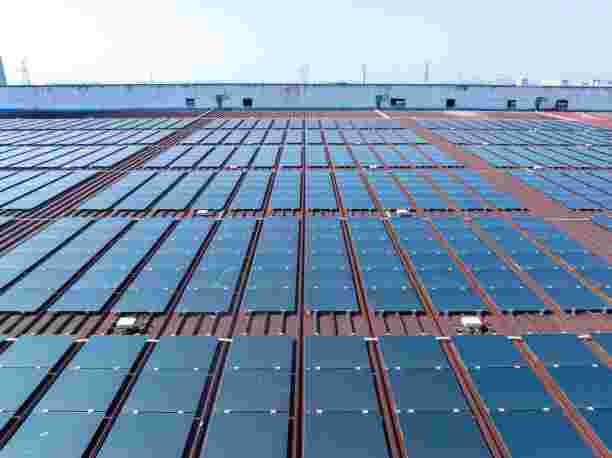
PERC solar panels are making it easier for people to get more power from sunlight. They’re a smarter upgrade from older panels, giving better results in the same space. But here’s the thing—not every roof works well with these panels. Some are just easier and safer to install on.
In a state like New Hampshire, that matters even more. The weather shifts fast here. So, when it comes to New Hampshire PERC solar panel installation, the roof needs to be strong, steady, and ready for the job. Learning what kind of roof works best means fewer issues later. It also means better energy savings right from the start.
Asphalt Shingles: Reliable and Cost-Effective for New Hampshire PERC Solar Panel Installation
Asphalt shingles are everywhere, and there’s a good reason for that. They’re affordable, easy to work with, and don’t require a long installation time. These roofs also make things easy for solar panel installers. Mounting PERC panels on asphalt shingles is pretty smooth. The surface is flat, and installers don’t need fancy tools to complete the job. They also don’t have to make many changes on the roof, which saves time. Even better? Asphalt holds up well in cold climates. That’s a significant advantage for PERC solar panel installations, particularly in areas where snow and ice are a common occurrence.
Metal Roofs: Durable and Highly Compatible
Metal roofs have a reputation for lasting a long time. They’re built to take on wind, rain, and snow without wearing out. For solar panels, especially PERC ones, they’re a great match. Installers can clamp the panels onto the seams without making holes. That also keeps the roof watertight and strong. Moreover, metal reflects heat, which helps the panels stay cooler and work more efficiently.
When it comes to long-term value, metal roofs are hard to beat. They last decades and don’t need much care—ideal for someone thinking about solar as a long-term choice.
Flat Roofs: Creative Mounting with Modern Efficiency
At first glance, flat roofs might not seem solar-friendly. But with the right setup, they can be surprisingly effective. Installers use tilted racks to angle the panels just right. That tilt also helps panels catch more sunlight. Even in places with changing seasons, adjusting the angle can also keep the system running well. Installers often use weights instead of drills to secure the racks, which helps keep the roof intact.
That said, flat roofs need solid planning. Water drainage and weight limits also need to be checked. However, when done correctly, they offer flexibility and strong performance.
Tile Roofs: Elegant but Tricky Installations
Tile roofs have a classic look and are often seen on high-end homes. But installing solar panels on them is a bit more complicated. Tiles can also crack if they’re handled improperly. To do the job right, some tiles need to be removed or swapped with mounting bases. That also takes extra time and care. Still, many homeowners appreciate the aesthetic of these roofs with solar panels installed. It’s not the cheapest choice for solar, but it can work well when handled by experienced professionals.
Wood Shake Roofs: Not the Best Fit
Wood shake roofs are made of split wooden pieces and have a natural charm. But for solar panels, they’re not the best option. The surface isn’t flat, and the material can catch fire more easily than others.
As a result, many installers avoid working with wood shakes. There’s also a bigger chance of leaks or damage if panels are forced onto the roof. If someone really wants solar and has a wood shake roof, it’s also smarter to replace the roof first. That way, there are fewer risks, and the panels can perform their job properly.
Slate Roofs: Sophisticated but Complex
Slate roofs are elegant and durable. They’re made of stone, so they’re strong but also very brittle. That makes them tricky when it comes to New Hampshire PERC solar panel installation. Also, installers often require specialized equipment and additional time to work with slate. One wrong move, and the tiles can crack. Still, it’s not impossible. Some experts also use special mounts to avoid drilling through the slate. Moreover, it costs more and takes more planning. But if someone’s set on keeping their slate roof, it can work with PERC panels as long as it’s done carefully.
Roof Angle and Orientation Matter Too
The angle and direction of the roof are just as important as the type. PERC panels work best when they face the sun directly. In the U.S., that usually means facing south. Roofs with an angle between 30 and 45 degrees get the most sunlight. In New Hampshire, where the sun sits lower in winter, the angle can make a big difference. Therefore, roof direction is key for New Hampshire PERC solar panel installation to deliver the best results. Even if a roof faces east or west, solar panels can still work—with a little help from smarter technology, such as microinverters.
Factors That Help Choose the Best Roof for PERC Panels
Here’s a simple breakdown to compare the roof types side by side:
| Roof Type | Easy to Install? | Works Well With PERC? | Lasts Long? |
|---|---|---|---|
| Asphalt Shingles | ✅ | ✅ | ✅ |
| Metal (Standing Seam) | ✅ | ✅ | ✅✅ |
| Flat Roof | ⚠ With tilt racks | ✅ | ✅✅ |
| Tile Roof | ⚠ Harder setup | ✅ If careful | ✅ |
| Slate Roof | ⚠ Very tricky | ✅ If done right | ✅✅✅ |
| Wood Shake | ❌ Not advised | ❌ | ❌ |
This makes it easier to pick a roof that works best with PERC solar panels.
The Right Roof Makes All the Difference in Solar Efficiency
Selecting the right roof can enhance the performance, longevity, and cost-effectiveness of solar panels. But a wrong choice could bring more problems than benefits. For those planning a PERC solar panel installation, it’s also essential to carefully match the roof with the panels.
M&B Solar Consortium makes this possible by offering smart solutions for homes with various roof types. They also help turn rooftops into clean power sources that are safe, strong, and ready for the future.


 English
 العربية
 Français
 Español
 Português
 Deutsch
 Türkçe
 Nederlands
 Italiano
 Русский
 Română
 Ελληνικά
 Tiếng Việt