• Retail Banking System Market Pain Points Driving Operational Inefficiencies Customer Friction Today

    Overview of Retail Banking Challenges

    Retail banking has evolved rapidly with digital transformation, yet many underlying structural and operational issues continue to create friction for both banks and customers. While services have become more accessible through mobile apps and online platforms, the core systems supporting these services often remain outdated, fragmented, or overly complex. These gaps lead to inefficiencies, reduced customer satisfaction, and increased operational costs.

    Legacy Infrastructure and System Fragmentation

    One of the most persistent issues in retail banking is reliance on legacy systems. Many banks still operate on decades-old core banking infrastructure that was not designed for today’s digital demands. These systems often lack flexibility and struggle to integrate with modern applications, fintech solutions, or real-time payment platforms.

    As a result, banks face fragmented ecosystems where customer data is stored across multiple silos. This makes it difficult to achieve a unified customer view, leading to delays in decision-making and inconsistent service delivery. Additionally, maintaining these legacy systems consumes a significant portion of IT budgets, leaving limited room for innovation.

    Poor Customer Experience and Service Delays

    Customer expectations in retail banking have shifted dramatically. Users now expect instant account updates, seamless transactions, and personalized financial services. However, many banks still struggle to deliver consistent experiences across digital and physical channels.

    Delays in transaction processing, slow loan approvals, and repetitive documentation requirements create frustration. Customers often need to repeat information across different touchpoints due to disconnected systems. This lack of synchronization reduces trust and pushes users toward more agile fintech alternatives.

    Data Management and Security Concerns

    Banks handle massive volumes of sensitive financial data, but managing this data efficiently remains a challenge. Inconsistent data formats, duplication, and lack of real-time synchronization contribute to inefficiencies in analytics and reporting.

    Security risks also increase when systems are not fully integrated or updated. Cyber threats targeting retail banking systems have become more sophisticated, exposing vulnerabilities in authentication processes and data storage mechanisms. Maintaining compliance with regulatory frameworks further adds complexity, requiring continuous monitoring and system upgrades.

    High Operational Costs and Inefficiencies

    Operational inefficiencies are a direct outcome of outdated processes and manual interventions. Many banking operations still rely on paper-based verification or semi-automated workflows, which slow down service delivery and increase labor costs.

    The cost of maintaining legacy systems, training staff on multiple platforms, and managing compliance requirements significantly impacts profitability. Additionally, duplication of efforts across departments leads to resource wastage and reduced productivity. These inefficiencies make it difficult for banks to scale operations effectively.

    Limited Personalization and Customer Insights

    Modern customers expect personalized financial products tailored to their spending habits, income patterns, and life goals. However, many retail banking systems lack advanced analytics capabilities to generate real-time insights.

    Data trapped in silos prevents banks from building comprehensive customer profiles. Without accurate insights, marketing campaigns become generic and less effective. This limitation reduces cross-selling opportunities and weakens customer engagement strategies.

    Integration Challenges with Fintech Ecosystem

    The rise of fintech companies has reshaped the financial services landscape. However, traditional retail banking systems often struggle to integrate with third-party platforms due to rigid architectures and outdated APIs.

    This creates barriers in offering unified services such as digital wallets, instant lending, or embedded finance solutions. Banks that fail to integrate effectively risk losing relevance in a rapidly evolving financial ecosystem where agility and interoperability are key.

    Compliance Pressure and Regulatory Complexity

    Retail banks operate under strict regulatory frameworks that vary across regions and evolve frequently. Ensuring compliance requires constant system updates, accurate reporting, and transparent audit trails.

    However, fragmented systems make compliance management more complex and time-consuming. Manual reporting increases the risk of errors, while outdated systems may not support real-time compliance tracking. This adds additional pressure on operational teams and increases risk exposure.

    Digital Transformation Gaps

    Although many banks are investing in digital transformation, progress is often uneven. In many cases, digital interfaces are modernized while backend systems remain unchanged. This creates a mismatch between front-end user experience and back-end processing capabilities.

    The result is partial digitization that fails to deliver true end-to-end efficiency. Without full system modernization, banks cannot fully leverage technologies such as AI-driven decision-making, predictive analytics, or real-time payment processing.
    Learn more about - https://www.pristinemarketinsights.com/retail-banking-system-market-report


    Retail Banking System Market Pain Points Driving Operational Inefficiencies Customer Friction Today Overview of Retail Banking Challenges Retail banking has evolved rapidly with digital transformation, yet many underlying structural and operational issues continue to create friction for both banks and customers. While services have become more accessible through mobile apps and online platforms, the core systems supporting these services often remain outdated, fragmented, or overly complex. These gaps lead to inefficiencies, reduced customer satisfaction, and increased operational costs. Legacy Infrastructure and System Fragmentation One of the most persistent issues in retail banking is reliance on legacy systems. Many banks still operate on decades-old core banking infrastructure that was not designed for today’s digital demands. These systems often lack flexibility and struggle to integrate with modern applications, fintech solutions, or real-time payment platforms. As a result, banks face fragmented ecosystems where customer data is stored across multiple silos. This makes it difficult to achieve a unified customer view, leading to delays in decision-making and inconsistent service delivery. Additionally, maintaining these legacy systems consumes a significant portion of IT budgets, leaving limited room for innovation. Poor Customer Experience and Service Delays Customer expectations in retail banking have shifted dramatically. Users now expect instant account updates, seamless transactions, and personalized financial services. However, many banks still struggle to deliver consistent experiences across digital and physical channels. Delays in transaction processing, slow loan approvals, and repetitive documentation requirements create frustration. Customers often need to repeat information across different touchpoints due to disconnected systems. This lack of synchronization reduces trust and pushes users toward more agile fintech alternatives. Data Management and Security Concerns Banks handle massive volumes of sensitive financial data, but managing this data efficiently remains a challenge. Inconsistent data formats, duplication, and lack of real-time synchronization contribute to inefficiencies in analytics and reporting. Security risks also increase when systems are not fully integrated or updated. Cyber threats targeting retail banking systems have become more sophisticated, exposing vulnerabilities in authentication processes and data storage mechanisms. Maintaining compliance with regulatory frameworks further adds complexity, requiring continuous monitoring and system upgrades. High Operational Costs and Inefficiencies Operational inefficiencies are a direct outcome of outdated processes and manual interventions. Many banking operations still rely on paper-based verification or semi-automated workflows, which slow down service delivery and increase labor costs. The cost of maintaining legacy systems, training staff on multiple platforms, and managing compliance requirements significantly impacts profitability. Additionally, duplication of efforts across departments leads to resource wastage and reduced productivity. These inefficiencies make it difficult for banks to scale operations effectively. Limited Personalization and Customer Insights Modern customers expect personalized financial products tailored to their spending habits, income patterns, and life goals. However, many retail banking systems lack advanced analytics capabilities to generate real-time insights. Data trapped in silos prevents banks from building comprehensive customer profiles. Without accurate insights, marketing campaigns become generic and less effective. This limitation reduces cross-selling opportunities and weakens customer engagement strategies. Integration Challenges with Fintech Ecosystem The rise of fintech companies has reshaped the financial services landscape. However, traditional retail banking systems often struggle to integrate with third-party platforms due to rigid architectures and outdated APIs. This creates barriers in offering unified services such as digital wallets, instant lending, or embedded finance solutions. Banks that fail to integrate effectively risk losing relevance in a rapidly evolving financial ecosystem where agility and interoperability are key. Compliance Pressure and Regulatory Complexity Retail banks operate under strict regulatory frameworks that vary across regions and evolve frequently. Ensuring compliance requires constant system updates, accurate reporting, and transparent audit trails. However, fragmented systems make compliance management more complex and time-consuming. Manual reporting increases the risk of errors, while outdated systems may not support real-time compliance tracking. This adds additional pressure on operational teams and increases risk exposure. Digital Transformation Gaps Although many banks are investing in digital transformation, progress is often uneven. In many cases, digital interfaces are modernized while backend systems remain unchanged. This creates a mismatch between front-end user experience and back-end processing capabilities. The result is partial digitization that fails to deliver true end-to-end efficiency. Without full system modernization, banks cannot fully leverage technologies such as AI-driven decision-making, predictive analytics, or real-time payment processing. Learn more about - https://www.pristinemarketinsights.com/retail-banking-system-market-report
    0 Commenti 0 condivisioni 1236 Views
  • Full Stack development involves working on both the front-end and back-end of web applications. A Full Stack developer handles everything from designing user interfaces to managing databases and servers. This role requires knowledge of various technologies like HTML, CSS, JavaScript, and backend languages such as Python or Java. At FITA Academy, students receive hands-on training and real-time projects, helping them build strong technical skills and become job-ready professionals in the Full Stack development domain.
    Also Check:
    https://www.fita.in/full-stack-developer-course-in-madurai/
    https://www.fita.in/full-stack-developer-course-in-coimbatore/
    https://www.fita.in/full-stack-developer-course-in-pondicherry/
    https://www.fita.in/full-stack-developer-course-in-tiruppur/
    Full Stack development involves working on both the front-end and back-end of web applications. A Full Stack developer handles everything from designing user interfaces to managing databases and servers. This role requires knowledge of various technologies like HTML, CSS, JavaScript, and backend languages such as Python or Java. At FITA Academy, students receive hands-on training and real-time projects, helping them build strong technical skills and become job-ready professionals in the Full Stack development domain. Also Check: https://www.fita.in/full-stack-developer-course-in-madurai/ https://www.fita.in/full-stack-developer-course-in-coimbatore/ https://www.fita.in/full-stack-developer-course-in-pondicherry/ https://www.fita.in/full-stack-developer-course-in-tiruppur/
    WWW.FITA.IN
    Full Stack Developer Course in Madurai | Full Stack Training in Madurai
    Enroll in the Full Stack Developer Course in Madurai and get hands-on experience with front-end and back-end technologies in our Full Stack Developer Training in Madurai.
    0 Commenti 0 condivisioni 2654 Views
  • Benefits of Using MEAN Stack for Scalable E-commerce Solutions

    E-commerce thrives on speed, scalability, and seamless experiences, qualities demanded in today’s intense digital marketplace. As product catalogues expand and user traffic accelerates, businesses need a development ecosystem that grows effortlessly. MEAN Stack development services deliver exactly that, empowering brands to build e-commerce websites that remain fast, resilient, and secure under heavy load.

    With a unified JavaScript architecture across MongoDB, Express.js, Angular, and Node.js, development becomes smooth, predictable, and efficient. Full-stack MEAN developers can switch between front-end and back-end with ease, accelerating MEAN Stack application development.

    MEAN Stack enables powerful scalability supporting traffic spikes, seasonal sales, and high concurrency through Node.js clusters, modular components, and distributed data handling. Node.js further enhances performance with lightning-fast checkouts, real-time cart updates, and instant search.

    MongoDB strengthens data integrity through flexible schemas, built-in sharding, and strong security. Angular elevates user experience with dynamic rendering, interactive product displays, and smooth transitions. Reusable modules and rapid deployment pipelines streamline development, reducing time-to-market.

    As an open-source, cost-efficient technology, MEAN Stack remains ideal for startups and enterprises.

    A MEAN Stack development company like JustTry Technologies delivers scalable, modern, and future-ready e-commerce solutions built to grow with your ambitions. Ready to elevate your digital storefront today?

    Visit: https://justtrytech.com/mean-and-mern-full-stack-development/

    WhatsApp: https://wa.me/919500139200

    Email ID: [email protected]

    #meanstack #softwaredevelopment #meanstackdevelopmentservices #meanprojectdevelopmentcompany #MEANStackapplicationdevelopment
    Benefits of Using MEAN Stack for Scalable E-commerce Solutions E-commerce thrives on speed, scalability, and seamless experiences, qualities demanded in today’s intense digital marketplace. As product catalogues expand and user traffic accelerates, businesses need a development ecosystem that grows effortlessly. MEAN Stack development services deliver exactly that, empowering brands to build e-commerce websites that remain fast, resilient, and secure under heavy load. With a unified JavaScript architecture across MongoDB, Express.js, Angular, and Node.js, development becomes smooth, predictable, and efficient. Full-stack MEAN developers can switch between front-end and back-end with ease, accelerating MEAN Stack application development. MEAN Stack enables powerful scalability supporting traffic spikes, seasonal sales, and high concurrency through Node.js clusters, modular components, and distributed data handling. Node.js further enhances performance with lightning-fast checkouts, real-time cart updates, and instant search. MongoDB strengthens data integrity through flexible schemas, built-in sharding, and strong security. Angular elevates user experience with dynamic rendering, interactive product displays, and smooth transitions. Reusable modules and rapid deployment pipelines streamline development, reducing time-to-market. As an open-source, cost-efficient technology, MEAN Stack remains ideal for startups and enterprises. A MEAN Stack development company like JustTry Technologies delivers scalable, modern, and future-ready e-commerce solutions built to grow with your ambitions. Ready to elevate your digital storefront today? Visit: https://justtrytech.com/mean-and-mern-full-stack-development/ WhatsApp: https://wa.me/919500139200 Email ID: [email protected] #meanstack #softwaredevelopment #meanstackdevelopmentservices #meanprojectdevelopmentcompany #MEANStackapplicationdevelopment
    0 Commenti 0 condivisioni 5787 Views
  • Become a Full Stack Python Developer with Kit Skill Hub!

    Master full-stack development with the Full Stack Python Course
    at Kit Skill Hub, Hyderabad. Learn Python programming, front-end tools like HTML, CSS, JavaScript, React, and back-end frameworks, along with database management and deployment. Gain hands-on experience through real-time projects, receive expert mentorship, and benefit from placement support to launch your IT career confidently.

    Hyderabad
    +91 88850 30341 | +91 98898 86936
    www.kitskillhub.com
    🚀 Become a Full Stack Python Developer with Kit Skill Hub! 🚀 Master full-stack development with the Full Stack Python Course at Kit Skill Hub, Hyderabad. Learn Python programming, front-end tools like HTML, CSS, JavaScript, React, and back-end frameworks, along with database management and deployment. Gain hands-on experience through real-time projects, receive expert mentorship, and benefit from placement support to launch your IT career confidently. 📍 Hyderabad 📞 +91 88850 30341 | +91 98898 86936 🌐 www.kitskillhub.com
    0 Commenti 0 condivisioni 4006 Views
  • Building a Software-as-a-Service (SaaS) application requires not just an idea but the right technical expertise. The MERN stack, MongoDB, Express.js, React, and Node.js, has become a preferred choice for businesses seeking scalable, high-performance applications. Hiring the right developer for this stack is crucial for turning vision into reality.

    Why Choose MERN for SaaS?

    The MERN stack offers flexibility, scalability, and speed. React powers dynamic user interfaces, while Node.js and Express.js handle backend logic efficiently. MongoDB ensures robust data management, making it ideal for SaaS platforms that demand performance and adaptability.

    Skills to Look for in a MERN Developer

    When evaluating talent, ensure candidates bring:

    Strong JavaScript & React expertise for front-end development.


    Backend proficiency in Node.js and Express.js.


    Database knowledge with MongoDB for managing large datasets.


    API development skills for seamless third-party integrations.


    Problem-solving mindset to handle SaaS scalability challenges.


    Where to Find Talent

    Developers can be sourced from platforms like LinkedIn, GitHub, and niche job boards. Outsourcing to trusted providers of MERN stack development services can also save time and ensure quality delivery.

    Why Partner with Professionals

    Choosing an experienced development company brings reliability and strategic guidance. Firms such as Justtry Technologies deliver tailored solutions, ensuring SaaS platforms are not only functional but also competitive in today’s market.

    Final Thoughts

    Hiring a MERN stack developer is about finding a balance between technical expertise and business alignment. By focusing on skills, experience, and cultural fit, businesses can secure professionals capable of driving SaaS success from the ground up.

    Visit: https://justtrytech.com/mean-and-mern-full-stack-development/

    Contact us: +91 9500139200

    Mail address: [email protected]

    #mernstack #reactdevelopment #softwaredevelopment #mernstackdevelopmentservices #mernprojectdevelopmentcompany
    Building a Software-as-a-Service (SaaS) application requires not just an idea but the right technical expertise. The MERN stack, MongoDB, Express.js, React, and Node.js, has become a preferred choice for businesses seeking scalable, high-performance applications. Hiring the right developer for this stack is crucial for turning vision into reality. Why Choose MERN for SaaS? The MERN stack offers flexibility, scalability, and speed. React powers dynamic user interfaces, while Node.js and Express.js handle backend logic efficiently. MongoDB ensures robust data management, making it ideal for SaaS platforms that demand performance and adaptability. Skills to Look for in a MERN Developer When evaluating talent, ensure candidates bring: Strong JavaScript & React expertise for front-end development. Backend proficiency in Node.js and Express.js. Database knowledge with MongoDB for managing large datasets. API development skills for seamless third-party integrations. Problem-solving mindset to handle SaaS scalability challenges. Where to Find Talent Developers can be sourced from platforms like LinkedIn, GitHub, and niche job boards. Outsourcing to trusted providers of MERN stack development services can also save time and ensure quality delivery. Why Partner with Professionals Choosing an experienced development company brings reliability and strategic guidance. Firms such as Justtry Technologies deliver tailored solutions, ensuring SaaS platforms are not only functional but also competitive in today’s market. Final Thoughts Hiring a MERN stack developer is about finding a balance between technical expertise and business alignment. By focusing on skills, experience, and cultural fit, businesses can secure professionals capable of driving SaaS success from the ground up. 🌐Visit: https://justtrytech.com/mean-and-mern-full-stack-development/ 📞 Contact us: +91 9500139200 📧 Mail address: [email protected] #mernstack #reactdevelopment #softwaredevelopment #mernstackdevelopmentservices #mernprojectdevelopmentcompany
    0 Commenti 0 condivisioni 8031 Views
  • What features should I look for when choosing a crypto exchange development?

    Finding the right cryptocurrency exchange development company is pivotal to the success of your venture. The ideal partner should provide more than code; they must be visionaries, architects, and protectors of your platform’s long-term viability. Here are the most vital features to look for:

    Proven Expertise in Blockchain Architecture
    Your partner should demonstrate a solid track record in building secure, scalable blockchain applications. They must understand consensus mechanisms, smart contract development, and cross-chain integration.


    End-to-End Cryptocurrency Development Services
    A reliable company should offer a full suite of services from ideation and wireframing to deployment and maintenance. This ensures continuity and accountability throughout the project lifecycle.


    Security-First Development Approach
    Look for multi-layered security implementations, including:


    Two-factor authentication (2FA)


    DDoS protection


    Multi-signature wallets


    Anti-phishing mechanisms


    Cold wallet integration


    Regulatory and Compliance Readiness
    Adherence to global and local regulations is critical. The company must integrate KYC/AML tools and ensure that the exchange complies with jurisdictions in your target markets.


    Customizable and Scalable Solutions
    The platform should be tailor-made to suit your specific needs. Whether you're launching a niche exchange or a global trading hub, the solution must be flexible and future-proof.


    Intuitive User Interface and Experience
    Even the most powerful backend is ineffective without a seamless front-end. User-centric designs with simple navigation and responsive interfaces boost retention and engagement.


    24/7 Technical Support and Maintenance
    Post-launch support is non-negotiable. A trusted partner provides round-the-clock assistance, timely updates, and robust monitoring tools to prevent downtime.


    Integration with Popular Blockchain Networks
    Ethereum, Binance Smart Chain, Solana, and Layer-2 solutions like Arbitrum and Optimism must be part of the integration roadmap.


    Market-Making and Liquidity Modules
    In-built liquidity engines and third-party market-maker integrations help jumpstart trading volume and reduce slippage.

    When evaluating firms that provide cryptocurrency development services, Justtry Technologies stands out for its innovative approach and rock-solid reliability. Backed by a team of blockchain veterans and fintech specialists, the company offers premium cryptocurrency exchange software development tailored to your business vision.

    Among the many choices available in the market, partnering with a seasoned cryptocurrency development company like Justtry Technologies can significantly de-risk your journey and accelerate your go-to-market strategy. So, when evaluating your options, ask yourself, is your chosen partner truly invested in your success?

    Visit: https://justtrytech.com/cryptocurrency-exchange-development-company/

    Contact us: +91 9500139200

    Mail address: [email protected]
    What features should I look for when choosing a crypto exchange development? Finding the right cryptocurrency exchange development company is pivotal to the success of your venture. The ideal partner should provide more than code; they must be visionaries, architects, and protectors of your platform’s long-term viability. Here are the most vital features to look for: Proven Expertise in Blockchain Architecture Your partner should demonstrate a solid track record in building secure, scalable blockchain applications. They must understand consensus mechanisms, smart contract development, and cross-chain integration. End-to-End Cryptocurrency Development Services A reliable company should offer a full suite of services from ideation and wireframing to deployment and maintenance. This ensures continuity and accountability throughout the project lifecycle. Security-First Development Approach Look for multi-layered security implementations, including: Two-factor authentication (2FA) DDoS protection Multi-signature wallets Anti-phishing mechanisms Cold wallet integration Regulatory and Compliance Readiness Adherence to global and local regulations is critical. The company must integrate KYC/AML tools and ensure that the exchange complies with jurisdictions in your target markets. Customizable and Scalable Solutions The platform should be tailor-made to suit your specific needs. Whether you're launching a niche exchange or a global trading hub, the solution must be flexible and future-proof. Intuitive User Interface and Experience Even the most powerful backend is ineffective without a seamless front-end. User-centric designs with simple navigation and responsive interfaces boost retention and engagement. 24/7 Technical Support and Maintenance Post-launch support is non-negotiable. A trusted partner provides round-the-clock assistance, timely updates, and robust monitoring tools to prevent downtime. Integration with Popular Blockchain Networks Ethereum, Binance Smart Chain, Solana, and Layer-2 solutions like Arbitrum and Optimism must be part of the integration roadmap. Market-Making and Liquidity Modules In-built liquidity engines and third-party market-maker integrations help jumpstart trading volume and reduce slippage. When evaluating firms that provide cryptocurrency development services, Justtry Technologies stands out for its innovative approach and rock-solid reliability. Backed by a team of blockchain veterans and fintech specialists, the company offers premium cryptocurrency exchange software development tailored to your business vision. Among the many choices available in the market, partnering with a seasoned cryptocurrency development company like Justtry Technologies can significantly de-risk your journey and accelerate your go-to-market strategy. So, when evaluating your options, ask yourself, is your chosen partner truly invested in your success? 🌐Visit: https://justtrytech.com/cryptocurrency-exchange-development-company/ 📞 Contact us: +91 9500139200 📧 Mail address: [email protected]
    0 Commenti 0 condivisioni 8697 Views
  • Trusted ReactJS Development Company for Modern Web Solutions

    Konstant Infosolutions is a trusted ReactJS development company delivering fast, scalable, and user-friendly web apps tailored to your business needs. From UI design to deployment, we ensure performance-driven solutions powered by ReactJS. Hire our expert developers for front-end innovation, seamless functionality, and consistent support across all devices.

    For more info: https://www.konstantinfo.com/reactjs-development
    Trusted ReactJS Development Company for Modern Web Solutions Konstant Infosolutions is a trusted ReactJS development company delivering fast, scalable, and user-friendly web apps tailored to your business needs. From UI design to deployment, we ensure performance-driven solutions powered by ReactJS. Hire our expert developers for front-end innovation, seamless functionality, and consistent support across all devices. For more info: https://www.konstantinfo.com/reactjs-development
    WWW.KONSTANTINFO.COM
    ReactJS Development Company - Konstantinfo
    Looking for a ReactJS development company in India and USA?? We offer high-quality React JS development services, along with skilled ReactJS developers. Contact us today!
    0 Commenti 0 condivisioni 2980 Views
  • What are the foundational steps and essential tools required for smart contract development?

    Developing smart contracts involves a multi-faceted approach, transforming traditional agreements into self-executing, transparent, and immutable code on the blockchain. These autonomous protocols, foundational to Web3 smart contracts, power decentralized applications (dApps) across finance (DeFi), NFT marketplaces, and more, fostering trustless ecosystems.

    Understanding blockchain architecture

    Is crucial. Blockchains are decentralized, cryptographically secure networks storing data in interconnected, unalterable blocks. Public chains like Ethereum allow open participation, while private and consortium chains offer restricted access. Consensus algorithms like Proof of Work (PoW) and Proof of Stake (PoS) determine data verification, influencing cost, scalability, and speed.

    Defining clear objectives

    It is paramount in smart contract development. Vague goals lead to inefficient code. Key considerations include the contract's function, trigger actions, behavior under various conditions, and potential for upgradability or interconnections. This analytical phase transforms abstract ideas into a development blueprint.

    Choosing the right blockchain platform

    It is the next critical decision. Ethereum, a mature and secure leader, faces high gas fees. Polygon offers faster, cheaper Ethereum-compatible scaling. Solana boasts rapid transactions and low fees but uses Rust. Binance Smart Chain (BSC) provides a cost-effective, user-friendly option. The choice hinges on budget, expertise, and application needs.

    Programming languages dictate contract structure and security.

    Solidity is dominant for Ethereum and EVM-compatible platforms, influenced by JavaScript and Python. Vyper prioritizes simplicity and security. Rust is favored for Solana's high-performance contracts, while Move is popular in Aptos and Sui for digital asset management.

    Essential tools streamline development.

    Hardhat and Truffle are comprehensive frameworks for compiling, testing, and deploying. Ganache simulates a local Ethereum blockchain for testing. Remix IDE offers browser-based rapid prototyping, and MetaMask serves as a vital wallet for user and developer interaction.

    Rigorous testing is non-negotiable due to blockchain's immutability

    Developers use automated scripts with Mocha, Chai, or Waffle for unit testing, and Hardhat or Ganache for environment simulation. Gas usage optimization and vulnerability assessments with tools like Slither are crucial. Deployment, typically via scripts, connects the contract's ABI to front-end interfaces.

    Engaging a smart contract development company like Justtry Technologies offers holistic services from consultation to deployment, minimizing risk and accelerating innovation in areas like token creation, decentralized identity, and supply chain automation. Developing smart contracts is about architecting decentralized trust systems, demanding a strong foundation, robust tools, and a security-first mindset to build scalable, enduring solutions.

    Visit: https://justtrytech.com/web3-smart-contract-development-company/,
    https://justtrytech.com/smart-contract-development-company/

    Contact us: +91 9500139200

    Mail address: [email protected]

    #smartcontractdevelopmentcompany #smartcontractdevelopmentservices #smartcontractbusiness #blockchainbasedsmartcontracts #web3smartcontracts
    What are the foundational steps and essential tools required for smart contract development? Developing smart contracts involves a multi-faceted approach, transforming traditional agreements into self-executing, transparent, and immutable code on the blockchain. These autonomous protocols, foundational to Web3 smart contracts, power decentralized applications (dApps) across finance (DeFi), NFT marketplaces, and more, fostering trustless ecosystems. Understanding blockchain architecture Is crucial. Blockchains are decentralized, cryptographically secure networks storing data in interconnected, unalterable blocks. Public chains like Ethereum allow open participation, while private and consortium chains offer restricted access. Consensus algorithms like Proof of Work (PoW) and Proof of Stake (PoS) determine data verification, influencing cost, scalability, and speed. Defining clear objectives It is paramount in smart contract development. Vague goals lead to inefficient code. Key considerations include the contract's function, trigger actions, behavior under various conditions, and potential for upgradability or interconnections. This analytical phase transforms abstract ideas into a development blueprint. Choosing the right blockchain platform It is the next critical decision. Ethereum, a mature and secure leader, faces high gas fees. Polygon offers faster, cheaper Ethereum-compatible scaling. Solana boasts rapid transactions and low fees but uses Rust. Binance Smart Chain (BSC) provides a cost-effective, user-friendly option. The choice hinges on budget, expertise, and application needs. Programming languages dictate contract structure and security. Solidity is dominant for Ethereum and EVM-compatible platforms, influenced by JavaScript and Python. Vyper prioritizes simplicity and security. Rust is favored for Solana's high-performance contracts, while Move is popular in Aptos and Sui for digital asset management. Essential tools streamline development. Hardhat and Truffle are comprehensive frameworks for compiling, testing, and deploying. Ganache simulates a local Ethereum blockchain for testing. Remix IDE offers browser-based rapid prototyping, and MetaMask serves as a vital wallet for user and developer interaction. Rigorous testing is non-negotiable due to blockchain's immutability Developers use automated scripts with Mocha, Chai, or Waffle for unit testing, and Hardhat or Ganache for environment simulation. Gas usage optimization and vulnerability assessments with tools like Slither are crucial. Deployment, typically via scripts, connects the contract's ABI to front-end interfaces. Engaging a smart contract development company like Justtry Technologies offers holistic services from consultation to deployment, minimizing risk and accelerating innovation in areas like token creation, decentralized identity, and supply chain automation. Developing smart contracts is about architecting decentralized trust systems, demanding a strong foundation, robust tools, and a security-first mindset to build scalable, enduring solutions. 🌐Visit: https://justtrytech.com/web3-smart-contract-development-company/, https://justtrytech.com/smart-contract-development-company/ 📞 Contact us: +91 9500139200 📧 Mail address: [email protected] #smartcontractdevelopmentcompany #smartcontractdevelopmentservices #smartcontractbusiness #blockchainbasedsmartcontracts #web3smartcontracts
    0 Commenti 0 condivisioni 13687 Views
  • How Justtry Technologies Delivers Scalable MEAN Stack Apps

    In today's fast-moving digital landscape, building applications that scale seamlessly under user load is critical. Businesses require web platforms that are dynamic, responsive, and architected to grow. Justtry Technologies meets this challenge head-on by offering robust MEAN stack development services tailored for performance, flexibility, and scalability.

    Understanding the MEAN Stack Architecture

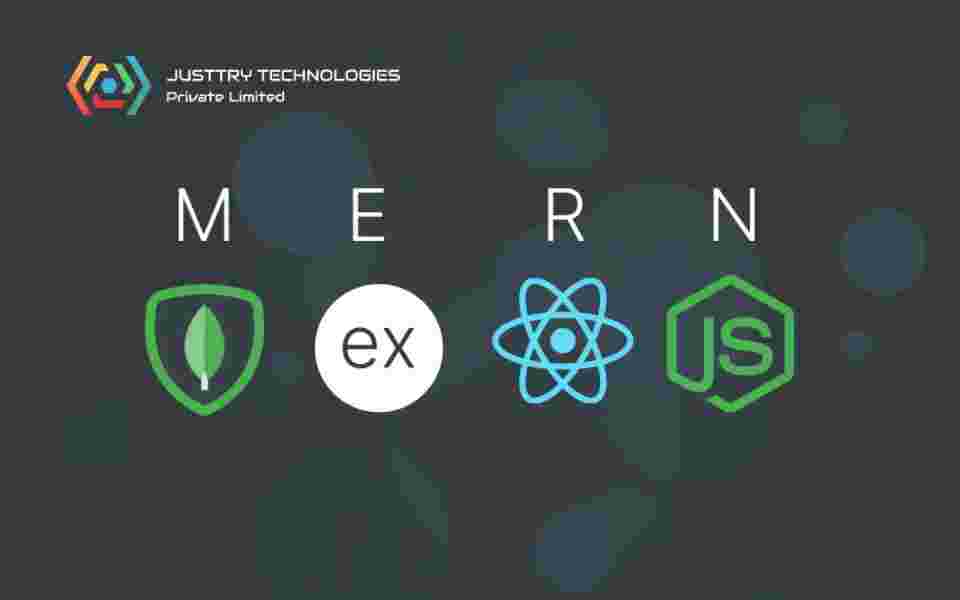
    The MEAN stack MongoDB, Express.js, Angular, and Node.js forms a comprehensive, full-stack JavaScript solution. This architecture enables consistent development on both client and server sides, streamlining processes and reducing complexity.

    MongoDB: A NoSQL database offering flexible schemas and horizontal scalability.


    Express.js: A minimalist backend framework that simplifies API creation and middleware integration.


    Angular: A dynamic front-end framework with two-way data binding, modular design, and efficient UI rendering.


    Node.js: A runtime that supports non-blocking, event-driven programming for high-performance server-side operations.


    This unified tech stack enables the delivery of data-rich, interactive applications capable of handling concurrent users efficiently.

    Engineering Scalability: Justtry Technologie’s Development Approach

    Scalability isn’t an afterthought; it’s embedded from day one. Justtry Technologies begins with a blueprint that anticipates growth:

    Modular development allows individual features to scale independently.


    Microservices architecture enables granular control and balanced load distribution.


    Cloud-native deployments using AWS, Azure, or GCP ensure automatic scaling and resilience.


    Asynchronous task handling reduces processing delays in real-time applications.


    The result is a scalable, future-ready product that evolves with business needs.

    Key Benefits of MEAN Stack Development Services

    MEAN stack applications offer exceptional advantages, especially when scalability is a priority:
    End-to-End JavaScript: One language across all layers improves speed and consistency.


    High Concurrency: Node.js handles multiple requests simultaneously with minimal resource usage.


    JSON Everywhere: Seamless data flow between layers reduces development friction.


    Rapid Prototyping: Reusable components accelerate time-to-market.


    Open-Source Ecosystem: Reduced licensing costs and active community support.


    Justtry Technologies leverages these strengths to build applications that are not only scalable but also easy to maintain and upgrade.

    Why Choose Justtry Technologies?

    As a proven MEAN stack development company, Justtry Technologies offers more than just code; it delivers vision, precision, and long-term reliability.

    Expert Teams: Developers with deep MEAN stack experience and a passion for scalable solutions.


    Agile Processes: Flexible workflows for continuous delivery and quick pivots.


    CI/CD Pipelines: Automation of testing and deployment for faster iterations.


    Long-Term Support: Ongoing performance monitoring, bug fixes, and feature scaling.


    Diverse Experience: Successfully deployed projects across finance, e-commerce, logistics, and healthcare.


    Their client-first philosophy ensures that every project is aligned with specific business goals, budget, and technical requirements.

    Is your application ready to scale with the power of modern architecture and MEAN-driven innovation?

    Visit: https://justtrytech.com/mean-and-mern-full-stack-development/

    Contact us: +91 9500139200

    Mail address: [email protected]

    #meanstack #meanstackdevelopmentcompany #meanstackdevelopmentservices #meandevelopment #meantechnology
    How Justtry Technologies Delivers Scalable MEAN Stack Apps In today's fast-moving digital landscape, building applications that scale seamlessly under user load is critical. Businesses require web platforms that are dynamic, responsive, and architected to grow. Justtry Technologies meets this challenge head-on by offering robust MEAN stack development services tailored for performance, flexibility, and scalability. Understanding the MEAN Stack Architecture The MEAN stack MongoDB, Express.js, Angular, and Node.js forms a comprehensive, full-stack JavaScript solution. This architecture enables consistent development on both client and server sides, streamlining processes and reducing complexity. MongoDB: A NoSQL database offering flexible schemas and horizontal scalability. Express.js: A minimalist backend framework that simplifies API creation and middleware integration. Angular: A dynamic front-end framework with two-way data binding, modular design, and efficient UI rendering. Node.js: A runtime that supports non-blocking, event-driven programming for high-performance server-side operations. This unified tech stack enables the delivery of data-rich, interactive applications capable of handling concurrent users efficiently. Engineering Scalability: Justtry Technologie’s Development Approach Scalability isn’t an afterthought; it’s embedded from day one. Justtry Technologies begins with a blueprint that anticipates growth: Modular development allows individual features to scale independently. Microservices architecture enables granular control and balanced load distribution. Cloud-native deployments using AWS, Azure, or GCP ensure automatic scaling and resilience. Asynchronous task handling reduces processing delays in real-time applications. The result is a scalable, future-ready product that evolves with business needs. Key Benefits of MEAN Stack Development Services MEAN stack applications offer exceptional advantages, especially when scalability is a priority: End-to-End JavaScript: One language across all layers improves speed and consistency. High Concurrency: Node.js handles multiple requests simultaneously with minimal resource usage. JSON Everywhere: Seamless data flow between layers reduces development friction. Rapid Prototyping: Reusable components accelerate time-to-market. Open-Source Ecosystem: Reduced licensing costs and active community support. Justtry Technologies leverages these strengths to build applications that are not only scalable but also easy to maintain and upgrade. Why Choose Justtry Technologies? As a proven MEAN stack development company, Justtry Technologies offers more than just code; it delivers vision, precision, and long-term reliability. Expert Teams: Developers with deep MEAN stack experience and a passion for scalable solutions. Agile Processes: Flexible workflows for continuous delivery and quick pivots. CI/CD Pipelines: Automation of testing and deployment for faster iterations. Long-Term Support: Ongoing performance monitoring, bug fixes, and feature scaling. Diverse Experience: Successfully deployed projects across finance, e-commerce, logistics, and healthcare. Their client-first philosophy ensures that every project is aligned with specific business goals, budget, and technical requirements. Is your application ready to scale with the power of modern architecture and MEAN-driven innovation? Visit: https://justtrytech.com/mean-and-mern-full-stack-development/ Contact us: +91 9500139200 Mail address: [email protected] #meanstack #meanstackdevelopmentcompany #meanstackdevelopmentservices #meandevelopment #meantechnology
    0 Commenti 0 condivisioni 10487 Views
  • Ready to launch your exchange? Let's build something great—together.

    Understanding the Tech Stack of a Crypto Exchange
    In today's fast-paced digital economy, building a crypto exchange isn’t just about code—it’s about engineering resilience, speed, and security.
    Front-End Matters
    React.js, Vue.js, or Angular—real-time UI is key for user retention. Mobile-first? Absolutely.
    Back-End Powerhouse
    Node.js, Go, or Python ensure low-latency order execution and real-time wallet management.
    Blockchain Layer
    Interact with Ethereum, Bitcoin, and Layer-2s via Web3.js or Ethers.js. For DeFi, smart contracts rule.
    Security Is Non-Negotiable
    2FA, DDoS protection, KYC/AML modules, and regular pen-testing. Trust is everything.
    Cloud & DevOps
    AWS, Kubernetes, CI/CD, and monitoring with Prometheus & Grafana for auto-scale and uptime.

    Partner with a professional cryptocurrency exchange development company like Justtry Technologies to build your future-proof exchange.

    Visit: https://justtrytech.com/cryptocurrency-exchange-development-company/?utm_source=tcsn&ref=RIN0060025
    WhatsApp: +91 9500 139 200
    Ready to launch your exchange? Let's build something great—together. 🚀 Understanding the Tech Stack of a Crypto Exchange In today's fast-paced digital economy, building a crypto exchange isn’t just about code—it’s about engineering resilience, speed, and security. 💡 👨‍💻 Front-End Matters React.js, Vue.js, or Angular—real-time UI is key for user retention. Mobile-first? Absolutely. 🔧 Back-End Powerhouse Node.js, Go, or Python ensure low-latency order execution and real-time wallet management. 🔗 Blockchain Layer Interact with Ethereum, Bitcoin, and Layer-2s via Web3.js or Ethers.js. For DeFi, smart contracts rule. 🛡️ Security Is Non-Negotiable 2FA, DDoS protection, KYC/AML modules, and regular pen-testing. Trust is everything. ⚙️ Cloud & DevOps AWS, Kubernetes, CI/CD, and monitoring with Prometheus & Grafana for auto-scale and uptime. 💼 Partner with a professional cryptocurrency exchange development company like Justtry Technologies to build your future-proof exchange. Visit: https://justtrytech.com/cryptocurrency-exchange-development-company/?utm_source=tcsn&ref=RIN0060025 WhatsApp: +91 9500 139 200
    0 Commenti 0 condivisioni 7989 Views
Pagine in Evidenza