• Types of Enzymes Used in Laundry Detergents
    Discover types of enzymes used in laundry detergents and how they remove stains, boost cleaning power, and protect fabrics. Learn common detergent enzymes

    #enzyme #helth #supplement #Detergents #Laundry
    Read More : https://syngenicbioscience.com/types-of-enzymes-in-laundry-detergents/
    Types of Enzymes Used in Laundry Detergents Discover types of enzymes used in laundry detergents and how they remove stains, boost cleaning power, and protect fabrics. Learn common detergent enzymes #enzyme #helth #supplement #Detergents #Laundry Read More : https://syngenicbioscience.com/types-of-enzymes-in-laundry-detergents/
    SYNGENICBIOSCIENCE.COM
    Types of Enzymes Used in Laundry Detergents - Syngenic
    Discover types of enzymes used in laundry detergents and how they remove stains, boost cleaning power, and protect fabrics. Learn common detergent enzymes.
    0 Comentários 0 Compartilhamentos 388 Visualizações
  • Surfactant Market to Reach USD 76.2 Billion by 2033, Growing at a CAGR of 4.7%
    The global Surfactant Market is experiencing steady growth, driven by increasing demand across household, personal care, and industrial applications. According to the latest report by Straits Research, the market was valued at USD 50.4 billion in 2024 and is projected to grow from USD 52.8 billion in 2025 to reach USD 76.2 billion by 2033, registering a compound annual growth rate (CAGR) of 4.7% during the forecast period.

    For detailed insights, access the full report here: https://straitsresearch.com/report/surfactant-market

    To explore key findings and analysis, request a sample report here: https://straitsresearch.com/report/surfactant-market/request-sample

    Market Overview
    Surfactants are surface-active agents widely used to reduce surface tension between liquids or between a liquid and a solid. These compounds play a crucial role in cleaning, emulsifying, dispersing, and foaming applications, making them essential across a wide range of industries including household detergents, personal care, textiles, and industrial processes.

    The market is witnessing consistent growth due to rising consumer demand for cleaning and hygiene products, especially in urban and developing regions. Surfactants are key ingredients in products such as soaps, shampoos, detergents, and industrial cleaners. Increasing awareness regarding cleanliness and sanitation, along with rising disposable incomes, is further fueling the demand for surfactant-based products.

    Key Market Drivers
    One of the primary drivers of the surfactant market is the growing demand for household detergents and cleaning products. With increasing awareness about hygiene and cleanliness, particularly in residential and commercial spaces, the consumption of surfactants in cleaning applications continues to rise.

    Another significant factor contributing to market growth is the expansion of the personal care industry. Surfactants are widely used in products such as shampoos, body washes, and skincare formulations due to their cleansing and emulsifying properties. The growing focus on personal grooming and wellness is boosting demand in this segment.

    Additionally, the increasing use of surfactants in industrial applications is supporting market growth. Industries such as textiles, oil and gas, agriculture, and construction rely on surfactants for processes like emulsification, wetting, and dispersion. The expansion of these industries, particularly in emerging economies, is driving the demand for surfactants.

    The shift toward eco-friendly and biodegradable surfactants is also influencing market trends. Manufacturers are focusing on developing sustainable products to meet environmental regulations and consumer preferences for green solutions.

    Market Segmentation
    By type, anionic surfactants dominate the market due to their strong cleaning efficiency and widespread use in detergents and cleaning products. Non-ionic surfactants are also gaining popularity due to their mildness and compatibility with various formulations. Cationic and amphoteric surfactants are used in specialized applications such as fabric softeners and personal care products.

    By end-user, household detergents represent the largest segment, driven by high demand for cleaning products. The personal care segment is also growing significantly due to increased consumer spending on grooming and hygiene. Other key segments include textiles, industrial and institutional cleaners, food processing, oilfield chemicals, agricultural chemicals, construction chemicals, and pulp and paper, all contributing to market expansion.

    Regional Insights
    Asia-Pacific holds a dominant position in the surfactant market due to rapid industrialization, growing population, and increasing demand for consumer goods. North America is experiencing steady growth, supported by advanced manufacturing capabilities and strong demand for high-quality products. Europe is also witnessing growth due to stringent environmental regulations and a focus on sustainable surfactants. Latin America is emerging as a promising market, while the Middle East and Africa are gradually expanding due to industrial development and increasing urbanization.

    Competitive Landscape
    The surfactant market is highly competitive, with key players focusing on innovation, sustainability, and strategic partnerships to strengthen their market presence. Prominent companies operating in the market include Stepan Company, Solvay, Nouryon, Kao Corporation, Eastman Chemical Company, The Lubrizol Corporation, Arkema, Lion Corporation, Evonik Industries AG, Dow Chemical Company, Clariant AG, Indorama Ventures Public Company Limited, Croda International Plc, and BASF SE.

    These companies are investing in research and development to create advanced and environmentally friendly surfactants that meet evolving regulatory standards and consumer preferences. Expansion into emerging markets and continuous product innovation are key strategies adopted to maintain competitiveness.

    Conclusion
    The global surfactant market is set for steady growth, driven by increasing demand across household, personal care, and industrial applications. With a projected CAGR of 4.7%, the market is expected to expand significantly over the coming years. As industries continue to prioritize efficiency, sustainability, and performance, surfactants will remain a critical component in a wide range of products and processes worldwide.

    About Us
    Straits Research is a leading market research and market intelligence organization, specializing in research, analytics, and advisory services along with providing business insights and comprehensive market research reports.
    Surfactant Market to Reach USD 76.2 Billion by 2033, Growing at a CAGR of 4.7% The global Surfactant Market is experiencing steady growth, driven by increasing demand across household, personal care, and industrial applications. According to the latest report by Straits Research, the market was valued at USD 50.4 billion in 2024 and is projected to grow from USD 52.8 billion in 2025 to reach USD 76.2 billion by 2033, registering a compound annual growth rate (CAGR) of 4.7% during the forecast period. For detailed insights, access the full report here: https://straitsresearch.com/report/surfactant-market To explore key findings and analysis, request a sample report here: https://straitsresearch.com/report/surfactant-market/request-sample Market Overview Surfactants are surface-active agents widely used to reduce surface tension between liquids or between a liquid and a solid. These compounds play a crucial role in cleaning, emulsifying, dispersing, and foaming applications, making them essential across a wide range of industries including household detergents, personal care, textiles, and industrial processes. The market is witnessing consistent growth due to rising consumer demand for cleaning and hygiene products, especially in urban and developing regions. Surfactants are key ingredients in products such as soaps, shampoos, detergents, and industrial cleaners. Increasing awareness regarding cleanliness and sanitation, along with rising disposable incomes, is further fueling the demand for surfactant-based products. Key Market Drivers One of the primary drivers of the surfactant market is the growing demand for household detergents and cleaning products. With increasing awareness about hygiene and cleanliness, particularly in residential and commercial spaces, the consumption of surfactants in cleaning applications continues to rise. Another significant factor contributing to market growth is the expansion of the personal care industry. Surfactants are widely used in products such as shampoos, body washes, and skincare formulations due to their cleansing and emulsifying properties. The growing focus on personal grooming and wellness is boosting demand in this segment. Additionally, the increasing use of surfactants in industrial applications is supporting market growth. Industries such as textiles, oil and gas, agriculture, and construction rely on surfactants for processes like emulsification, wetting, and dispersion. The expansion of these industries, particularly in emerging economies, is driving the demand for surfactants. The shift toward eco-friendly and biodegradable surfactants is also influencing market trends. Manufacturers are focusing on developing sustainable products to meet environmental regulations and consumer preferences for green solutions. Market Segmentation By type, anionic surfactants dominate the market due to their strong cleaning efficiency and widespread use in detergents and cleaning products. Non-ionic surfactants are also gaining popularity due to their mildness and compatibility with various formulations. Cationic and amphoteric surfactants are used in specialized applications such as fabric softeners and personal care products. By end-user, household detergents represent the largest segment, driven by high demand for cleaning products. The personal care segment is also growing significantly due to increased consumer spending on grooming and hygiene. Other key segments include textiles, industrial and institutional cleaners, food processing, oilfield chemicals, agricultural chemicals, construction chemicals, and pulp and paper, all contributing to market expansion. Regional Insights Asia-Pacific holds a dominant position in the surfactant market due to rapid industrialization, growing population, and increasing demand for consumer goods. North America is experiencing steady growth, supported by advanced manufacturing capabilities and strong demand for high-quality products. Europe is also witnessing growth due to stringent environmental regulations and a focus on sustainable surfactants. Latin America is emerging as a promising market, while the Middle East and Africa are gradually expanding due to industrial development and increasing urbanization. Competitive Landscape The surfactant market is highly competitive, with key players focusing on innovation, sustainability, and strategic partnerships to strengthen their market presence. Prominent companies operating in the market include Stepan Company, Solvay, Nouryon, Kao Corporation, Eastman Chemical Company, The Lubrizol Corporation, Arkema, Lion Corporation, Evonik Industries AG, Dow Chemical Company, Clariant AG, Indorama Ventures Public Company Limited, Croda International Plc, and BASF SE. These companies are investing in research and development to create advanced and environmentally friendly surfactants that meet evolving regulatory standards and consumer preferences. Expansion into emerging markets and continuous product innovation are key strategies adopted to maintain competitiveness. Conclusion The global surfactant market is set for steady growth, driven by increasing demand across household, personal care, and industrial applications. With a projected CAGR of 4.7%, the market is expected to expand significantly over the coming years. As industries continue to prioritize efficiency, sustainability, and performance, surfactants will remain a critical component in a wide range of products and processes worldwide. About Us Straits Research is a leading market research and market intelligence organization, specializing in research, analytics, and advisory services along with providing business insights and comprehensive market research reports.
    0 Comentários 0 Compartilhamentos 2568 Visualizações
  • Global Biosurfactants Market Analysis: 2030 Strategic Outlook

    The global chemical industry is witnessing a structural pivot as manufacturers aggressively transition from petroleum-derived surfactants toward sustainable, biologically-produced alternatives. At the center of this shift is the Biosurfactants Market, a sector defined by surface-active agents produced by microorganisms such as bacteria, yeast, and fungi.
    According to the latest industry intelligence, the global biosurfactants market size is projected to grow from US$ 811.08 million in 2022 to US$ 1,311.48 million by 2030. This expansion represents a steady CAGR of 6.2% over the forecast period. This growth is a direct response to the "Green Chemistry" mandate, where low toxicity, high biodegradability, and superior performance under extreme pH and temperature levels have made biosurfactants a preferred choice for premium formulations in personal care, detergents, and oil recovery.
    Download Exclusive Sample PDF of the Biosurfactants Market Study: https://www.theinsightpartners.com/sample/TIPRE00005067
    ________________________________________
    Market Share Analysis by Geography
    The geographic distribution of the biosurfactants market is heavily influenced by environmental legislation, industrial infrastructure, and consumer purchasing power. While the demand is global, the market share is concentrated in regions with high regulatory pressure on synthetic chemicals.
    Europe: The Dominant Leader
    Europe currently holds the largest market share in the biosurfactants sector. This dominance is primarily driven by the EU Green Deal and strict REACH regulations, which penalize or restrict petroleum-based chemicals with high environmental toxicity.
    • Key Drivers: High consumer awareness regarding "clean label" products and a robust presence of chemical giants like BASF and Evonik.
    • Trend: A significant shift in the household detergent sector, where major brands are replacing linear alkylbenzene sulfonates (LAS) with biosurfactants to meet regional sustainability targets.
    North America: High-Value Innovation
    North America follows closely, characterized by a rapid adoption rate in the personal care and pharmaceutical industries.
    • Key Drivers: State-level bans on 1,4-Dioxane (a byproduct of synthetic surfactant production) in regions like New York have forced a pivot toward fermentation-based alternatives.
    • Trend: Increased investment in Microbial Enhanced Oil Recovery (MEOR) in the U.S. and Canada, where biosurfactants are used to extract trapped crude from aging wells due to their stability in high-salinity environments.
    Asia-Pacific: The Volume Engine
    Asia-Pacific is projected to be the fastest-growing region through 2030. While historically a smaller share, the region is scaling rapidly as China and India implement stricter environmental standards for industrial manufacturing.
    • Key Drivers: Massive growth in the agricultural sector, where biosurfactants are being integrated into bio-pesticides and wetting agents.
    • Trend: The presence of significant raw material feedstocks (agricultural waste) makes this region a future hub for low-cost, high-volume fermentation.
    ________________________________________
    SWOT Analysis: Strategic Outlook 2030

    Strengths Weaknesses
    • 100% biodegradable and renewable profile


    • Superior functionality in extreme temperatures/salinity


    • High skin compatibility (low irritation) • Higher production costs compared to synthetic options


    • Technical complexity in scaling fermentation


    • Dependence on specific carbohydrate feedstocks
    Opportunities Threats
    • Integration into bio-pesticides for sustainable farming


    • Strategic M&A between chemical giants and biotech startups


    • Waste-to-Value models using agricultural runoff • Emergence of "bio-hybrid" low-cost synthetic surfactants


    • Lack of standardized global "bio-based" labeling


    • Volatility in raw material prices (sugar/vegetable oils)
    ________________________________________
    Competitive Landscape: Key Companies
    The competitive environment is a mix of established chemical powerhouses and agile biotechnology specialists. Success through 2030 will be defined by the ability to achieve industrial-scale volume while maintaining price parity with specialty synthetics.
    Top Key Players:
    • Evonik Industries AG (Germany)
    • BASF SE (Germany)
    • Saraya Co., Ltd. (Japan)
    • Allied Carbon Solutions Co., Ltd. (Japan)
    • Holiferm (United Kingdom)
    • Jeneil Biotech, Inc. (USA)
    • Stepan Company (USA)
    • Kao Corporation (Japan)
    • Locus Performance Ingredients (USA)
    _______________________________________

    Global Biosurfactants Market Analysis: 2030 Strategic Outlook The global chemical industry is witnessing a structural pivot as manufacturers aggressively transition from petroleum-derived surfactants toward sustainable, biologically-produced alternatives. At the center of this shift is the Biosurfactants Market, a sector defined by surface-active agents produced by microorganisms such as bacteria, yeast, and fungi. According to the latest industry intelligence, the global biosurfactants market size is projected to grow from US$ 811.08 million in 2022 to US$ 1,311.48 million by 2030. This expansion represents a steady CAGR of 6.2% over the forecast period. This growth is a direct response to the "Green Chemistry" mandate, where low toxicity, high biodegradability, and superior performance under extreme pH and temperature levels have made biosurfactants a preferred choice for premium formulations in personal care, detergents, and oil recovery. Download Exclusive Sample PDF of the Biosurfactants Market Study: https://www.theinsightpartners.com/sample/TIPRE00005067 ________________________________________ Market Share Analysis by Geography The geographic distribution of the biosurfactants market is heavily influenced by environmental legislation, industrial infrastructure, and consumer purchasing power. While the demand is global, the market share is concentrated in regions with high regulatory pressure on synthetic chemicals. Europe: The Dominant Leader Europe currently holds the largest market share in the biosurfactants sector. This dominance is primarily driven by the EU Green Deal and strict REACH regulations, which penalize or restrict petroleum-based chemicals with high environmental toxicity. • Key Drivers: High consumer awareness regarding "clean label" products and a robust presence of chemical giants like BASF and Evonik. • Trend: A significant shift in the household detergent sector, where major brands are replacing linear alkylbenzene sulfonates (LAS) with biosurfactants to meet regional sustainability targets. North America: High-Value Innovation North America follows closely, characterized by a rapid adoption rate in the personal care and pharmaceutical industries. • Key Drivers: State-level bans on 1,4-Dioxane (a byproduct of synthetic surfactant production) in regions like New York have forced a pivot toward fermentation-based alternatives. • Trend: Increased investment in Microbial Enhanced Oil Recovery (MEOR) in the U.S. and Canada, where biosurfactants are used to extract trapped crude from aging wells due to their stability in high-salinity environments. Asia-Pacific: The Volume Engine Asia-Pacific is projected to be the fastest-growing region through 2030. While historically a smaller share, the region is scaling rapidly as China and India implement stricter environmental standards for industrial manufacturing. • Key Drivers: Massive growth in the agricultural sector, where biosurfactants are being integrated into bio-pesticides and wetting agents. • Trend: The presence of significant raw material feedstocks (agricultural waste) makes this region a future hub for low-cost, high-volume fermentation. ________________________________________ SWOT Analysis: Strategic Outlook 2030 Strengths Weaknesses • 100% biodegradable and renewable profile • Superior functionality in extreme temperatures/salinity • High skin compatibility (low irritation) • Higher production costs compared to synthetic options • Technical complexity in scaling fermentation • Dependence on specific carbohydrate feedstocks Opportunities Threats • Integration into bio-pesticides for sustainable farming • Strategic M&A between chemical giants and biotech startups • Waste-to-Value models using agricultural runoff • Emergence of "bio-hybrid" low-cost synthetic surfactants • Lack of standardized global "bio-based" labeling • Volatility in raw material prices (sugar/vegetable oils) ________________________________________ Competitive Landscape: Key Companies The competitive environment is a mix of established chemical powerhouses and agile biotechnology specialists. Success through 2030 will be defined by the ability to achieve industrial-scale volume while maintaining price parity with specialty synthetics. Top Key Players: • Evonik Industries AG (Germany) • BASF SE (Germany) • Saraya Co., Ltd. (Japan) • Allied Carbon Solutions Co., Ltd. (Japan) • Holiferm (United Kingdom) • Jeneil Biotech, Inc. (USA) • Stepan Company (USA) • Kao Corporation (Japan) • Locus Performance Ingredients (USA) _______________________________________
    Biosurfactants market Report Research Insights Report 2030 : The Insight Partners
    Biosurfactants market heading toward US$ 1,311.48 million by 2030, growing at a CAGR of 6.2%. Discover growth, key drivers & share. Get sample report.
    0 Comentários 0 Compartilhamentos 3825 Visualizações
  • Monoethanolamine (MEA) Price Trend & Market Dynamics: Impact of Raw Material Costs, Industrial Demand Shifts, and Global Supply Chain Influences

    Monoethanolamine Price Trend, often known as MEA, is a widely used chemical that plays an important role in many industries. It is commonly used in the production of detergents, cleaning agents, personal care products, pharmaceuticals, textiles, gas treatment, and agriculture. Because of its wide application, the price of monoethanolamine is closely watched by manufacturers, suppliers, and buyers. Understanding the monoethanolamine price trend helps businesses plan purchases, manage costs, and make informed decisions. In this article, we explore the key factors influencing the price movement of monoethanolamine in simple and natural language.

    Please Submit Your Query for Monoethanolamine Price Trend, demand-supply, suppliers, market analysis: https://www.price-watch.ai/book-a-demo/

    Understanding the Market Behavior of Monoethanolamine

    The price of monoethanolamine does not remain stable for long periods. Like most chemical products, it is affected by changes in raw material costs, supply chain conditions, industrial demand, and global economic trends. One of the main raw materials for producing monoethanolamine is ethylene oxide, which itself is derived from petroleum. This means that crude oil prices indirectly influence MEA prices. When oil prices increase, the production cost of ethylene oxide rises, which can lead to higher monoethanolamine prices.
    Another important factor is energy cost. Manufacturing monoethanolamine requires significant energy input, especially for heating, processing, and purification. Rising electricity, gas, or fuel costs directly increase overall production expenses, often pushing market prices upward. On the other hand, when energy prices are low, manufacturers may reduce prices to remain competitive.

    Supply and Demand Impact on Price Trends

    Supply and demand play a major role in shaping monoethanolamine price trends. On the demand side, industries such as personal care, agriculture, pharmaceuticals, and gas treatment drive regular consumption. When these industries experience growth, demand for monoethanolamine rises, which can lead to higher prices. For example, increased use of detergents and cleaning products during periods of heightened hygiene awareness can create stronger demand for MEA.
    Seasonal changes can also affect demand. Agricultural usage may increase during certain farming seasons, while industrial production cycles can influence buying patterns. When demand is consistently strong and supply remains limited, prices often increase.
    On the supply side, production capacity, plant maintenance schedules, and unexpected shutdowns can affect availability. If a major production facility undergoes maintenance or faces technical issues, the reduced supply can create market shortages. These shortages often lead to quick price increases, especially if demand remains high. In contrast, when production capacity expands or new plants come online, increased supply may help stabilize or even reduce prices.

    Role of Global Trade and Logistics

    Global trade conditions significantly influence the monoethanolamine price trend. Since MEA is traded across international markets, factors such as shipping costs, port congestion, and transportation delays impact its final market price. When freight costs rise due to fuel price increases or container shortages, the landed cost of monoethanolamine becomes higher for importers, leading to price adjustments.
    Political situations, trade policies, and international regulations can also affect cross-border movement. Tariffs, import restrictions, or changes in environmental regulations may alter supply routes and costs. Any disruption in global logistics, such as port strikes or shipping delays, can cause temporary shortages, resulting in short-term price fluctuations.

    Economic Conditions and Industrial Activity

    Overall economic health strongly impacts the demand and price trend of monoethanolamine. During periods of economic growth, manufacturing activity increases, leading to higher demand for chemicals across various industries. This often pushes prices upward. Conversely, during economic slowdowns or recessions, industrial production may decrease, reducing demand and putting downward pressure on prices.
    Inflation also plays a role in shaping price trends. Rising inflation increases production costs, transportation expenses, and labor charges, all of which contribute to higher market prices. In such situations, even if demand remains stable, the price of monoethanolamine may rise due to increased operational costs.

    Regional Differences in Price Movements

    Monoethanolamine prices can vary across regions due to differences in local demand, production capacity, and regulatory environments. Regions with strong manufacturing bases and higher industrial demand may experience higher prices. Meanwhile, areas with surplus production and limited demand might offer more competitive pricing.
    Environmental regulations also influence regional pricing. In some countries, strict emission and safety standards increase compliance costs for manufacturers, which can lead to higher prices. In contrast, regions with more flexible regulations may produce at lower costs, resulting in more affordable pricing.

    Conclusion

    The Monoethanolamine Prices is influenced by a combination of raw material costs, energy prices, supply and demand dynamics, global trade conditions, and economic factors. While short-term fluctuations are common, the long-term outlook remains stable due to its wide range of applications across industries. By understanding these key drivers, businesses can better anticipate market movements, plan procurement strategies, and manage costs effectively. As industries continue to grow and evolve, monoethanolamine will remain an essential chemical, and its price trend will continue to reflect broader market conditions.

    About Price Watch™ AI

    Price-Watch AI is an India-based, independent raw material price reporting agency that provides real-time price forecasts and data-driven insights into global raw material markets. Price-Watch AI specializes in tracking raw material prices, analyzing market trends, and delivering timely updates on plant shutdowns, supply disruptions, capacity expansions, and demand-supply dynamics. The Price-Watch AI platform empowers manufacturers, traders, and procurement professionals to make faster, smarter decisions. Leveraging AI-powered forecasting and over a decade of historical data, Price-Watch AI transforms market volatility into actionable opportunity.

    Futura Tech Park,
    C Block, 8th floor 334,
    Old Mahabalipuram Road,
    Sholinganallur, Chennai,
    Tamil Nadu, Pincode - 600119.

    LinkedIn: https://www.linkedin.com/company/price-watch-ai/
    Facebook: https://www.facebook.com/people/Price-Watch/61568490385598/
    Twitter: https://x.com/pricewatchai
    Website: https://www.price-watch.ai/
    Monoethanolamine (MEA) Price Trend & Market Dynamics: Impact of Raw Material Costs, Industrial Demand Shifts, and Global Supply Chain Influences Monoethanolamine Price Trend, often known as MEA, is a widely used chemical that plays an important role in many industries. It is commonly used in the production of detergents, cleaning agents, personal care products, pharmaceuticals, textiles, gas treatment, and agriculture. Because of its wide application, the price of monoethanolamine is closely watched by manufacturers, suppliers, and buyers. Understanding the monoethanolamine price trend helps businesses plan purchases, manage costs, and make informed decisions. In this article, we explore the key factors influencing the price movement of monoethanolamine in simple and natural language. 👉 👉 👉 Please Submit Your Query for Monoethanolamine Price Trend, demand-supply, suppliers, market analysis: https://www.price-watch.ai/book-a-demo/ Understanding the Market Behavior of Monoethanolamine The price of monoethanolamine does not remain stable for long periods. Like most chemical products, it is affected by changes in raw material costs, supply chain conditions, industrial demand, and global economic trends. One of the main raw materials for producing monoethanolamine is ethylene oxide, which itself is derived from petroleum. This means that crude oil prices indirectly influence MEA prices. When oil prices increase, the production cost of ethylene oxide rises, which can lead to higher monoethanolamine prices. Another important factor is energy cost. Manufacturing monoethanolamine requires significant energy input, especially for heating, processing, and purification. Rising electricity, gas, or fuel costs directly increase overall production expenses, often pushing market prices upward. On the other hand, when energy prices are low, manufacturers may reduce prices to remain competitive. Supply and Demand Impact on Price Trends Supply and demand play a major role in shaping monoethanolamine price trends. On the demand side, industries such as personal care, agriculture, pharmaceuticals, and gas treatment drive regular consumption. When these industries experience growth, demand for monoethanolamine rises, which can lead to higher prices. For example, increased use of detergents and cleaning products during periods of heightened hygiene awareness can create stronger demand for MEA. Seasonal changes can also affect demand. Agricultural usage may increase during certain farming seasons, while industrial production cycles can influence buying patterns. When demand is consistently strong and supply remains limited, prices often increase. On the supply side, production capacity, plant maintenance schedules, and unexpected shutdowns can affect availability. If a major production facility undergoes maintenance or faces technical issues, the reduced supply can create market shortages. These shortages often lead to quick price increases, especially if demand remains high. In contrast, when production capacity expands or new plants come online, increased supply may help stabilize or even reduce prices. Role of Global Trade and Logistics Global trade conditions significantly influence the monoethanolamine price trend. Since MEA is traded across international markets, factors such as shipping costs, port congestion, and transportation delays impact its final market price. When freight costs rise due to fuel price increases or container shortages, the landed cost of monoethanolamine becomes higher for importers, leading to price adjustments. Political situations, trade policies, and international regulations can also affect cross-border movement. Tariffs, import restrictions, or changes in environmental regulations may alter supply routes and costs. Any disruption in global logistics, such as port strikes or shipping delays, can cause temporary shortages, resulting in short-term price fluctuations. Economic Conditions and Industrial Activity Overall economic health strongly impacts the demand and price trend of monoethanolamine. During periods of economic growth, manufacturing activity increases, leading to higher demand for chemicals across various industries. This often pushes prices upward. Conversely, during economic slowdowns or recessions, industrial production may decrease, reducing demand and putting downward pressure on prices. Inflation also plays a role in shaping price trends. Rising inflation increases production costs, transportation expenses, and labor charges, all of which contribute to higher market prices. In such situations, even if demand remains stable, the price of monoethanolamine may rise due to increased operational costs. Regional Differences in Price Movements Monoethanolamine prices can vary across regions due to differences in local demand, production capacity, and regulatory environments. Regions with strong manufacturing bases and higher industrial demand may experience higher prices. Meanwhile, areas with surplus production and limited demand might offer more competitive pricing. Environmental regulations also influence regional pricing. In some countries, strict emission and safety standards increase compliance costs for manufacturers, which can lead to higher prices. In contrast, regions with more flexible regulations may produce at lower costs, resulting in more affordable pricing. Conclusion The Monoethanolamine Prices is influenced by a combination of raw material costs, energy prices, supply and demand dynamics, global trade conditions, and economic factors. While short-term fluctuations are common, the long-term outlook remains stable due to its wide range of applications across industries. By understanding these key drivers, businesses can better anticipate market movements, plan procurement strategies, and manage costs effectively. As industries continue to grow and evolve, monoethanolamine will remain an essential chemical, and its price trend will continue to reflect broader market conditions. About Price Watch™ AI Price-Watch AI is an India-based, independent raw material price reporting agency that provides real-time price forecasts and data-driven insights into global raw material markets. Price-Watch AI specializes in tracking raw material prices, analyzing market trends, and delivering timely updates on plant shutdowns, supply disruptions, capacity expansions, and demand-supply dynamics. The Price-Watch AI platform empowers manufacturers, traders, and procurement professionals to make faster, smarter decisions. Leveraging AI-powered forecasting and over a decade of historical data, Price-Watch AI transforms market volatility into actionable opportunity. Futura Tech Park, C Block, 8th floor 334, Old Mahabalipuram Road, Sholinganallur, Chennai, Tamil Nadu, Pincode - 600119. LinkedIn: https://www.linkedin.com/company/price-watch-ai/ Facebook: https://www.facebook.com/people/Price-Watch/61568490385598/ Twitter: https://x.com/pricewatchai Website: https://www.price-watch.ai/
    0 Comentários 0 Compartilhamentos 5367 Visualizações
  • Consumer Defensive Sector: Stability in an Ever-Changing Market

    In times of economic uncertainty, investors, analysts, and businesses often turn their attention to one dependable corner of the market—the Consumer Defensive sector. Also known as consumer staples, this category includes companies that produce essential goods people buy regardless of economic conditions. From food and beverages to household and personal care products, the consumer defensive industry forms the backbone of everyday life.

    This blog explores the Consumer Defensive category through industry overview, recent developments, strategic SWOT analysis, financial performance, and competitive landscape.

    Read More: https://www.swotreports.com/market-analysis/consumer-defensive

    Understanding the Consumer Defensive Category

    The Consumer Defensive sector consists of companies that provide essential, non-discretionary products and services. Demand for these products remains relatively stable even during recessions, inflationary cycles, or geopolitical disruptions.

    Typical sub-segments include:

    Packaged food and beverages
    Household and personal care products
    Grocery stores and discount retailers
    Tobacco and farm products
    Education and basic consumer services
    Because of their resilience, consumer defensive companies are often viewed as low-volatility and long-term value plays within the broader market.

    Company Introduction – Sector Perspective

    Companies in the Consumer Defensive category range from global FMCG giants to large-scale retailers and regional staples producers. These organizations typically operate with:

    Strong brand portfolios
    Wide distribution networks
    High volumes and recurring customer demand
    Global leaders such as Walmart, Procter & Gamble, Coca-Cola, PepsiCo, Costco, and Colgate-Palmolive dominate the sector through scale, brand loyalty, and supply-chain efficiency.

    Recent Company Developments and Industry Updates

    Over the last few years, the Consumer Defensive sector has shown remarkable resilience, even as other sectors faced sharp volatility.

    Key Developments:

    Digital and Omnichannel Expansion: Retailers such as Walmart and Costco continue investing in e-commerce, supply chain automation, and last-mile delivery.
    Pricing and Margin Management: FMCG companies have used selective price increases to offset inflation in raw materials.
    Product Innovation: There is growing emphasis on health-focused, organic, sustainable, and premium consumer products.
    Cost Optimization: Companies are investing in AI, automation, and data analytics to improve operational efficiency.
    These strategies have allowed consumer defensive firms to protect margins while maintaining consistent demand.

    Strategic Analysis Review – SWOT Analysis

    Strengths

    Stable and predictable demand across economic cycles
    Strong brand equity and customer loyalty
    Reliable cash flows and dividend-paying capacity
    Weaknesses

    Slower growth compared to cyclical or technology sectors
    Sensitivity to raw material and logistics costs
    Limited pricing flexibility in highly competitive markets
    Opportunities

    Growth in health, wellness, and sustainable product categories
    Expansion in emerging markets
    Digital retail and direct-to-consumer (DTC) channels
    Threats

    Inflation impacting consumer purchasing power
    Supply-chain disruptions
    Intense price competition and private-label products
    Business Description and Key Products & Services

    The Consumer Defensive sector serves daily consumer needs through a wide product mix.

    Key Products and Services

    Sub-Sector

    Core Products & Services

    Packaged Foods

    Snacks, dairy, cereals, frozen foods

    Beverages

    Soft drinks, bottled water, juices

    Household Products

    Detergents, cleaners, paper goods

    Personal Care

    Toothpaste, soaps, hygiene products

    Grocery & Discount Retail

    Supermarkets, essential retail

    Tobacco

    Cigarettes, smokeless products

    Farm & Food Distribution

    Agricultural goods and logistics

    This diversity helps companies spread risk and maintain revenue stability.

    Financial Analysis – Ten-Year Historical Performance

    Historically, the Consumer Defensive sector has delivered steady growth with lower volatility than most other industries.

    Estimated Sector Revenue Growth (10-Year Trend)

    Year

    Growth Trend

    2016–2018

    3–4% annually

    2019

    ~4%

    2020

    ~5.5% (pandemic-driven demand)

    2021

    ~3.7%

    2022

    ~2.9%

    2023

    ~3.3%

    2024

    ~3.6%

    2025

    ~3.8% (estimated)

    Financial Characteristics

    Stable revenue streams
    Strong operating cash flows
    Consistent dividend payouts
    Moderate but predictable margins
    Unlike cyclical industries, consumer defensive companies prioritize capital preservation and shareholder returns over aggressive expansion.

    Competitors and Industry Analysis

    Major Global Competitors

    Company

    Core Segment

    Walmart Inc.

    Grocery & discount retail

    Procter & Gamble

    Household & personal care

    Coca-Cola

    Beverages

    PepsiCo

    Beverages & snacks

    Costco Wholesale

    Retail & staples

    Philip Morris

    Tobacco

    Colgate-Palmolive

    Oral & personal care

    These companies benefit from scale, pricing power, and global distribution.

    Industry Characteristics

    High barriers to entry due to scale and brand dominance
    Strong competition from private labels and regional players
    Increasing convergence between physical retail and digital commerce
    Consumer Defensive Sector Composition

    Segment

    Approx. Share

    Grocery & Discount Retail

    ~40%

    Beverages

    ~19%

    Household & Personal Care

    ~15%

    Tobacco

    ~10%

    Packaged Foods

    ~5%

    Others

    ~11%

    This balance ensures sector resilience even when individual sub-segments face pressure.

    About Us:

    SWOT Reports is a leading provider of market research reports in Chemicals, Energy, Oil & Gas, Food & Beverage, Electronics & Semiconductors, Automotive, Telecommunication, Healthcare and Other industries.

    SWOT Reports, established in 2009 has 14+ years of experience and served 1800+ clients from 980+ companies operating in 54+ countries.

    Connect with us

    +91 630 95 25755

    [email protected]

    Read more at: https://www.swotreports.com/

    Consumer Defensive Sector: Stability in an Ever-Changing Market In times of economic uncertainty, investors, analysts, and businesses often turn their attention to one dependable corner of the market—the Consumer Defensive sector. Also known as consumer staples, this category includes companies that produce essential goods people buy regardless of economic conditions. From food and beverages to household and personal care products, the consumer defensive industry forms the backbone of everyday life. This blog explores the Consumer Defensive category through industry overview, recent developments, strategic SWOT analysis, financial performance, and competitive landscape. Read More: https://www.swotreports.com/market-analysis/consumer-defensive Understanding the Consumer Defensive Category The Consumer Defensive sector consists of companies that provide essential, non-discretionary products and services. Demand for these products remains relatively stable even during recessions, inflationary cycles, or geopolitical disruptions. Typical sub-segments include: Packaged food and beverages Household and personal care products Grocery stores and discount retailers Tobacco and farm products Education and basic consumer services Because of their resilience, consumer defensive companies are often viewed as low-volatility and long-term value plays within the broader market. Company Introduction – Sector Perspective Companies in the Consumer Defensive category range from global FMCG giants to large-scale retailers and regional staples producers. These organizations typically operate with: Strong brand portfolios Wide distribution networks High volumes and recurring customer demand Global leaders such as Walmart, Procter & Gamble, Coca-Cola, PepsiCo, Costco, and Colgate-Palmolive dominate the sector through scale, brand loyalty, and supply-chain efficiency. Recent Company Developments and Industry Updates Over the last few years, the Consumer Defensive sector has shown remarkable resilience, even as other sectors faced sharp volatility. Key Developments: Digital and Omnichannel Expansion: Retailers such as Walmart and Costco continue investing in e-commerce, supply chain automation, and last-mile delivery. Pricing and Margin Management: FMCG companies have used selective price increases to offset inflation in raw materials. Product Innovation: There is growing emphasis on health-focused, organic, sustainable, and premium consumer products. Cost Optimization: Companies are investing in AI, automation, and data analytics to improve operational efficiency. These strategies have allowed consumer defensive firms to protect margins while maintaining consistent demand. Strategic Analysis Review – SWOT Analysis Strengths Stable and predictable demand across economic cycles Strong brand equity and customer loyalty Reliable cash flows and dividend-paying capacity Weaknesses Slower growth compared to cyclical or technology sectors Sensitivity to raw material and logistics costs Limited pricing flexibility in highly competitive markets Opportunities Growth in health, wellness, and sustainable product categories Expansion in emerging markets Digital retail and direct-to-consumer (DTC) channels Threats Inflation impacting consumer purchasing power Supply-chain disruptions Intense price competition and private-label products Business Description and Key Products & Services The Consumer Defensive sector serves daily consumer needs through a wide product mix. Key Products and Services Sub-Sector Core Products & Services Packaged Foods Snacks, dairy, cereals, frozen foods Beverages Soft drinks, bottled water, juices Household Products Detergents, cleaners, paper goods Personal Care Toothpaste, soaps, hygiene products Grocery & Discount Retail Supermarkets, essential retail Tobacco Cigarettes, smokeless products Farm & Food Distribution Agricultural goods and logistics This diversity helps companies spread risk and maintain revenue stability. Financial Analysis – Ten-Year Historical Performance Historically, the Consumer Defensive sector has delivered steady growth with lower volatility than most other industries. Estimated Sector Revenue Growth (10-Year Trend) Year Growth Trend 2016–2018 3–4% annually 2019 ~4% 2020 ~5.5% (pandemic-driven demand) 2021 ~3.7% 2022 ~2.9% 2023 ~3.3% 2024 ~3.6% 2025 ~3.8% (estimated) Financial Characteristics Stable revenue streams Strong operating cash flows Consistent dividend payouts Moderate but predictable margins Unlike cyclical industries, consumer defensive companies prioritize capital preservation and shareholder returns over aggressive expansion. Competitors and Industry Analysis Major Global Competitors Company Core Segment Walmart Inc. Grocery & discount retail Procter & Gamble Household & personal care Coca-Cola Beverages PepsiCo Beverages & snacks Costco Wholesale Retail & staples Philip Morris Tobacco Colgate-Palmolive Oral & personal care These companies benefit from scale, pricing power, and global distribution. Industry Characteristics High barriers to entry due to scale and brand dominance Strong competition from private labels and regional players Increasing convergence between physical retail and digital commerce Consumer Defensive Sector Composition Segment Approx. Share Grocery & Discount Retail ~40% Beverages ~19% Household & Personal Care ~15% Tobacco ~10% Packaged Foods ~5% Others ~11% This balance ensures sector resilience even when individual sub-segments face pressure. About Us: SWOT Reports is a leading provider of market research reports in Chemicals, Energy, Oil & Gas, Food & Beverage, Electronics & Semiconductors, Automotive, Telecommunication, Healthcare and Other industries. SWOT Reports, established in 2009 has 14+ years of experience and served 1800+ clients from 980+ companies operating in 54+ countries. Connect with us +91 630 95 25755 [email protected] Read more at: https://www.swotreports.com/
    WWW.SWOTREPORTS.COM
    Market Research reports, Advisory Company and Revenue Impact,Industry Reports
    Access our comprehensive industry reports for deep insights, market trends, and strategic analysis. Empower your business with our expert research and data
    0 Comentários 0 Compartilhamentos 5899 Visualizações
  • Sodium Silicate Market Growth Forecast, Trends, and Developments (2025-2032)

    Sodium Silicate Market Overview

    Maximize Market Research has released a detailed study on the Sodium Silicate Market, providing a clear and practical understanding of the industry. The report explores key aspects such as market demand, pricing trends, and the competitive landscape, helping stakeholders grasp current market conditions. It also includes forward-looking insights and projections that highlight potential growth opportunities in the years ahead.

    Gain Valuable Insights – Request Your Complimentary Sample Now @ https://www.maximizemarketresearch.com/request-sample/21265/

    Sodium Silicate Market Scope and Methodology:

    The market research report for Sodium Silicate offers detailed insights into the key factors shaping industry growth, along with the challenges that may arise in the future. It equips stakeholders with a clear understanding of investment prospects, available product portfolios, and the competitive landscape within the Sodium Silicate sector. The study also explores both quantitative and qualitative dimensions of the industry. As part of the MMR analysis, regional markets within the Sodium Silicate Market are examined extensively.

    This report presents a comprehensive overview of all major and several minor market elements. The findings are based on data collected from both primary and secondary sources, including expert opinions, industry specialists, official websites, scientific journals, and company annual reports.

    Sodium Silicate Market Segmentation

    by Form

    Solid Sodium Silicate
    Liquid Sodium Silicate

    by Application

    Detergents
    Precipitated Silica
    Construction
    Pulp & Paper
    Others

    Feel free to request a complimentary sample copy or view a summary of the report @ https://www.maximizemarketresearch.com/request-sample/21265/

    Sodium Silicate Market Regional Insights

    The market size, growth rate, import and export by region, and other relevant variables are all thoroughly analysed in this research. Understanding the Sodium Silicate market conditions in different countries is feasible because to the researchs geographic examination. Africa, Latin America, the Middle East, Asia Pacific, and Europe put together make up the Sodium Silicate market.

    Sodium Silicate Market Key Players

    1. PQ Corporation (USA)
    2. Occidental Chemical Corporation (USA)
    3. CIE (USA)
    4. Occidental Petroleum Corporation (USA)
    5. W.R. Grace & Co. (USA)
    6. Eagle Chemical Inc. (USA)

    Key questions answered in the Sodium Silicate Market are:

    What is Sodium Silicate Market?
    What is the growth rate of the Sodium Silicate Market?
    Which are the factors expected to drive the Sodium Silicate Market growth?
    What are the different segments of the Sodium Silicate Market?
    What growth strategies are the players considering to increase their presence in Sodium Silicate Market?
    What are the upcoming industry applications and trends for the Sodium Silicate Market?
    What are the recent industry trends that can be implemented to generate additional revenue streams for the Sodium Silicate Market?
    Who are the leading companies and what are their portfolios in Sodium Silicate Market?
    What segments are covered in the Sodium Silicate Market?

    Explore More Market Reports : Get 30% Off Market Research — Download Your Report Today

    Cosmetic Preservatives Market https://www.maximizemarketresearch.com/market-report/cosmetic-preservatives-market/146321/

    Global Wood Preservative Chemicals Market https://www.maximizemarketresearch.com/market-report/global-wood-preservative-chemicals-market/112635/


    About Maximize Market Research:

    Maximize Market Research is a multifaceted market research and consulting company with professionals from several industries. Some of the industries we cover include medical devices, pharmaceutical manufacturers, science and engineering, electronic components, industrial equipment, technology and communication, cars and automobiles, chemical products and substances, general merchandise, beverages, personal care, and automated systems. To mention a few, we provide market-verified industry estimations, technical trend analysis, crucial market research, strategic advice, competition analysis, production and demand analysis, and client impact studies.

    Contact Maximize Market Research:

    2nd Floor, Navale IT Park, Phase 3

    Pune Banglore Highway, Narhe,

    Pune, Maharashtra 411041, India

    [email protected]

    +91 96071 95908, +91 9607365656
    Sodium Silicate Market Growth Forecast, Trends, and Developments (2025-2032) Sodium Silicate Market Overview Maximize Market Research has released a detailed study on the Sodium Silicate Market, providing a clear and practical understanding of the industry. The report explores key aspects such as market demand, pricing trends, and the competitive landscape, helping stakeholders grasp current market conditions. It also includes forward-looking insights and projections that highlight potential growth opportunities in the years ahead. Gain Valuable Insights – Request Your Complimentary Sample Now @ https://www.maximizemarketresearch.com/request-sample/21265/ Sodium Silicate Market Scope and Methodology: The market research report for Sodium Silicate offers detailed insights into the key factors shaping industry growth, along with the challenges that may arise in the future. It equips stakeholders with a clear understanding of investment prospects, available product portfolios, and the competitive landscape within the Sodium Silicate sector. The study also explores both quantitative and qualitative dimensions of the industry. As part of the MMR analysis, regional markets within the Sodium Silicate Market are examined extensively. This report presents a comprehensive overview of all major and several minor market elements. The findings are based on data collected from both primary and secondary sources, including expert opinions, industry specialists, official websites, scientific journals, and company annual reports. Sodium Silicate Market Segmentation by Form Solid Sodium Silicate Liquid Sodium Silicate by Application Detergents Precipitated Silica Construction Pulp & Paper Others Feel free to request a complimentary sample copy or view a summary of the report @ https://www.maximizemarketresearch.com/request-sample/21265/ Sodium Silicate Market Regional Insights The market size, growth rate, import and export by region, and other relevant variables are all thoroughly analysed in this research. Understanding the Sodium Silicate market conditions in different countries is feasible because to the researchs geographic examination. Africa, Latin America, the Middle East, Asia Pacific, and Europe put together make up the Sodium Silicate market. Sodium Silicate Market Key Players 1. PQ Corporation (USA) 2. Occidental Chemical Corporation (USA) 3. CIE (USA) 4. Occidental Petroleum Corporation (USA) 5. W.R. Grace & Co. (USA) 6. Eagle Chemical Inc. (USA) Key questions answered in the Sodium Silicate Market are: What is Sodium Silicate Market? What is the growth rate of the Sodium Silicate Market? Which are the factors expected to drive the Sodium Silicate Market growth? What are the different segments of the Sodium Silicate Market? What growth strategies are the players considering to increase their presence in Sodium Silicate Market? What are the upcoming industry applications and trends for the Sodium Silicate Market? What are the recent industry trends that can be implemented to generate additional revenue streams for the Sodium Silicate Market? Who are the leading companies and what are their portfolios in Sodium Silicate Market? What segments are covered in the Sodium Silicate Market? Explore More Market Reports : Get 30% Off Market Research — Download Your Report Today Cosmetic Preservatives Market https://www.maximizemarketresearch.com/market-report/cosmetic-preservatives-market/146321/ Global Wood Preservative Chemicals Market https://www.maximizemarketresearch.com/market-report/global-wood-preservative-chemicals-market/112635/ About Maximize Market Research: Maximize Market Research is a multifaceted market research and consulting company with professionals from several industries. Some of the industries we cover include medical devices, pharmaceutical manufacturers, science and engineering, electronic components, industrial equipment, technology and communication, cars and automobiles, chemical products and substances, general merchandise, beverages, personal care, and automated systems. To mention a few, we provide market-verified industry estimations, technical trend analysis, crucial market research, strategic advice, competition analysis, production and demand analysis, and client impact studies. Contact Maximize Market Research: 2nd Floor, Navale IT Park, Phase 3 Pune Banglore Highway, Narhe, Pune, Maharashtra 411041, India [email protected] +91 96071 95908, +91 9607365656
    0 Comentários 0 Compartilhamentos 4036 Visualizações
  • How to Customize Athletic Shirts for Personalized and Unique Designs
    In today’s world, sports and fashion have become closely intertwined. Athletic shirts are no longer just functional clothing for workouts or games—they have become a canvas for self-expression, team pride, and personal creativity. Customizing athletic shirts with FastCustomJerseys allows fans, athletes, and hobbyists alike to showcase their personality while staying comfortable and stylish.
    Whether you’re a dedicated sports player, a casual fan, or someone who enjoys crafting unique designs, customizing your athletic shirts through FastCustomJerseys can transform ordinary apparel into extraordinary pieces. Let’s explore the methods, benefits, and creative ideas to help you wear your passion proudly with personalized athletic designs.

    Why Customize Athletic Shirts
    Customizing athletic shirts is more than just a fun activity—it’s a way to express individuality and creativity. There are several reasons why personalized designs are gaining popularity:
    Showcasing Team Spirit
    Sports fans often want to stand out while supporting their favorite teams. Custom designs allow you to include team colors, logos, and personal touches, making your apparel unique while showing loyalty.
    Expressing Personal Style
    Athletic shirts can reflect more than just sports enthusiasm—they can mirror personal style. By adding creative patterns, colors, or text, you can turn a standard shirt into a statement piece.
    Unique Gifts and Memorabilia
    Customized athletic shirts make thoughtful gifts for friends, family, or teammates. Personalized designs can commemorate special events, victories, or milestones, creating memories that last long beyond the game.
    Materials and Tools Needed for Customization
    Before diving into design ideas, it’s important to know what materials and tools you’ll need to create high-quality customized athletic shirts.
    Choosing the Right Fabric
    Athletic shirts are typically made from breathable, moisture-wicking fabrics such as polyester, spandex, or blends. These materials are ideal for customization because they hold color well, are durable, and maintain their shape after multiple washes.
    Essential Tools
    Depending on your customization method, you may need:
    Fabric markers or paint for hand-drawn designs


    Heat transfer vinyl (HTV) and a heat press


    Screen printing equipment


    Embroidery supplies for stitching names, numbers, or logos


    Having the right tools ensures your designs are professional-looking, long-lasting, and resistant to wear during sports or workouts.
    Popular Methods to Customize Athletic Shirts
    There are several ways to personalize athletic shirts. Each method has its own advantages, depending on your desired style and skill level.
    Fabric Paint and Markers
    One of the simplest ways to customize shirts is using fabric paint or markers. This method allows freehand designs, including illustrations, patterns, or text. Fabric paints are durable and flexible, so they won’t crack or peel during movement.
    Heat Transfer Vinyl
    Heat transfer vinyl (HTV) is a popular method for creating bold, professional designs. You can cut letters, logos, or intricate patterns from vinyl and apply them using a heat press or iron. HTV is ideal for team names, numbers, or personalized messages.
    Screen Printing
    Screen printing is a more advanced technique but produces high-quality, long-lasting designs. It works best for larger runs of shirts with repeated designs. This method ensures sharp images and vibrant colors.
    Embroidery
    Embroidery adds a classic, textured look to athletic shirts. Personalized initials, logos, or symbols stitched onto shirts can create an elegant, professional appearance that lasts for years.
    Tips for Creating Unique Designs
    Creating a truly unique athletic shirt involves careful planning and creativity. Here are some tips to make your designs stand out:
    Consider Color Combinations
    Colors play a huge role in design. Choose contrasting colors that are visually appealing and complement the shirt’s base color. Team colors, personal favorites, or seasonal palettes can guide your choices.
    Incorporate Personal Elements
    Add elements that represent your personality, hobbies, or achievements. This could include favorite numbers, motivational quotes, or small symbols that hold personal significance.
    Balance Simplicity and Detail
    While detailed designs can look impressive, simplicity often makes a stronger visual impact. Focus on key elements and avoid overcrowding the shirt, especially for small logos or text.
    Test Your Design First
    Before applying your design to the actual shirt, create a small sample or mock-up. This allows you to see how the colors, placement, and overall look come together. Adjustments made early can save time and resources.
    Wearing Your Passion Proudly
    Customizing athletic shirts is more than a creative hobby—it’s a way to wear your passion proudly. Personalized shirts show your dedication to sports, artistry, or personal expression, and they allow you to stand out in a crowd.
    Perfect for Teams and Groups
    For sports teams, clubs, or organizations, custom athletic shirts foster a sense of unity and belonging. Coordinated designs help groups look cohesive while expressing individuality through personalized elements.
    Boosting Confidence
    Wearing a shirt you helped design can boost confidence. It’s a visual representation of your creativity and dedication, making you feel proud whether you’re on the field, in the gym, or cheering from the sidelines.
    Inspiring Creativity in Others
    Custom athletic shirts can inspire friends, teammates, or peers to explore their own creativity. Seeing a unique design can spark new ideas and encourage others to personalize their apparel too.
    Caring for Customized Athletic Shirts
    To ensure your custom designs last, proper care is essential.
    Washing and Maintenance
    Always follow fabric-specific washing instructions. Turn shirts inside out, use cold water, and avoid harsh detergents to protect designs from fading or peeling.
    Storage Tips
    Store shirts in a dry, cool place to prevent damage. Avoid folding in ways that crease or stress the design area, especially for vinyl or embroidery.
    Avoid Heat Damage
    High heat from dryers or ironing directly on designs can damage customization. Use low heat settings or place a cloth over designs when ironing.
    Conclusion
    Customizing athletic shirts allows you to merge style, functionality, and creativity into one piece of apparel. Whether for team spirit, personal expression, or memorable gifts, personalized designs from FastCustomJerseys make athletic shirts more than just clothing—they become a reflection of your passion and individuality.
    By exploring different customization methods, experimenting with colors and patterns, and caring for your creations properly, you can wear your passion proudly and confidently. Personalized athletic shirts from FastCustomJerseys transform everyday sportswear into unique, expressive garments that celebrate your creativity, achievements, and love for the game.


    How to Customize Athletic Shirts for Personalized and Unique Designs In today’s world, sports and fashion have become closely intertwined. Athletic shirts are no longer just functional clothing for workouts or games—they have become a canvas for self-expression, team pride, and personal creativity. Customizing athletic shirts with FastCustomJerseys allows fans, athletes, and hobbyists alike to showcase their personality while staying comfortable and stylish. Whether you’re a dedicated sports player, a casual fan, or someone who enjoys crafting unique designs, customizing your athletic shirts through FastCustomJerseys can transform ordinary apparel into extraordinary pieces. Let’s explore the methods, benefits, and creative ideas to help you wear your passion proudly with personalized athletic designs. Why Customize Athletic Shirts Customizing athletic shirts is more than just a fun activity—it’s a way to express individuality and creativity. There are several reasons why personalized designs are gaining popularity: Showcasing Team Spirit Sports fans often want to stand out while supporting their favorite teams. Custom designs allow you to include team colors, logos, and personal touches, making your apparel unique while showing loyalty. Expressing Personal Style Athletic shirts can reflect more than just sports enthusiasm—they can mirror personal style. By adding creative patterns, colors, or text, you can turn a standard shirt into a statement piece. Unique Gifts and Memorabilia Customized athletic shirts make thoughtful gifts for friends, family, or teammates. Personalized designs can commemorate special events, victories, or milestones, creating memories that last long beyond the game. Materials and Tools Needed for Customization Before diving into design ideas, it’s important to know what materials and tools you’ll need to create high-quality customized athletic shirts. Choosing the Right Fabric Athletic shirts are typically made from breathable, moisture-wicking fabrics such as polyester, spandex, or blends. These materials are ideal for customization because they hold color well, are durable, and maintain their shape after multiple washes. Essential Tools Depending on your customization method, you may need: Fabric markers or paint for hand-drawn designs Heat transfer vinyl (HTV) and a heat press Screen printing equipment Embroidery supplies for stitching names, numbers, or logos Having the right tools ensures your designs are professional-looking, long-lasting, and resistant to wear during sports or workouts. Popular Methods to Customize Athletic Shirts There are several ways to personalize athletic shirts. Each method has its own advantages, depending on your desired style and skill level. Fabric Paint and Markers One of the simplest ways to customize shirts is using fabric paint or markers. This method allows freehand designs, including illustrations, patterns, or text. Fabric paints are durable and flexible, so they won’t crack or peel during movement. Heat Transfer Vinyl Heat transfer vinyl (HTV) is a popular method for creating bold, professional designs. You can cut letters, logos, or intricate patterns from vinyl and apply them using a heat press or iron. HTV is ideal for team names, numbers, or personalized messages. Screen Printing Screen printing is a more advanced technique but produces high-quality, long-lasting designs. It works best for larger runs of shirts with repeated designs. This method ensures sharp images and vibrant colors. Embroidery Embroidery adds a classic, textured look to athletic shirts. Personalized initials, logos, or symbols stitched onto shirts can create an elegant, professional appearance that lasts for years. Tips for Creating Unique Designs Creating a truly unique athletic shirt involves careful planning and creativity. Here are some tips to make your designs stand out: Consider Color Combinations Colors play a huge role in design. Choose contrasting colors that are visually appealing and complement the shirt’s base color. Team colors, personal favorites, or seasonal palettes can guide your choices. Incorporate Personal Elements Add elements that represent your personality, hobbies, or achievements. This could include favorite numbers, motivational quotes, or small symbols that hold personal significance. Balance Simplicity and Detail While detailed designs can look impressive, simplicity often makes a stronger visual impact. Focus on key elements and avoid overcrowding the shirt, especially for small logos or text. Test Your Design First Before applying your design to the actual shirt, create a small sample or mock-up. This allows you to see how the colors, placement, and overall look come together. Adjustments made early can save time and resources. Wearing Your Passion Proudly Customizing athletic shirts is more than a creative hobby—it’s a way to wear your passion proudly. Personalized shirts show your dedication to sports, artistry, or personal expression, and they allow you to stand out in a crowd. Perfect for Teams and Groups For sports teams, clubs, or organizations, custom athletic shirts foster a sense of unity and belonging. Coordinated designs help groups look cohesive while expressing individuality through personalized elements. Boosting Confidence Wearing a shirt you helped design can boost confidence. It’s a visual representation of your creativity and dedication, making you feel proud whether you’re on the field, in the gym, or cheering from the sidelines. Inspiring Creativity in Others Custom athletic shirts can inspire friends, teammates, or peers to explore their own creativity. Seeing a unique design can spark new ideas and encourage others to personalize their apparel too. Caring for Customized Athletic Shirts To ensure your custom designs last, proper care is essential. Washing and Maintenance Always follow fabric-specific washing instructions. Turn shirts inside out, use cold water, and avoid harsh detergents to protect designs from fading or peeling. Storage Tips Store shirts in a dry, cool place to prevent damage. Avoid folding in ways that crease or stress the design area, especially for vinyl or embroidery. Avoid Heat Damage High heat from dryers or ironing directly on designs can damage customization. Use low heat settings or place a cloth over designs when ironing. Conclusion Customizing athletic shirts allows you to merge style, functionality, and creativity into one piece of apparel. Whether for team spirit, personal expression, or memorable gifts, personalized designs from FastCustomJerseys make athletic shirts more than just clothing—they become a reflection of your passion and individuality. By exploring different customization methods, experimenting with colors and patterns, and caring for your creations properly, you can wear your passion proudly and confidently. Personalized athletic shirts from FastCustomJerseys transform everyday sportswear into unique, expressive garments that celebrate your creativity, achievements, and love for the game.
    0 Comentários 0 Compartilhamentos 2974 Visualizações
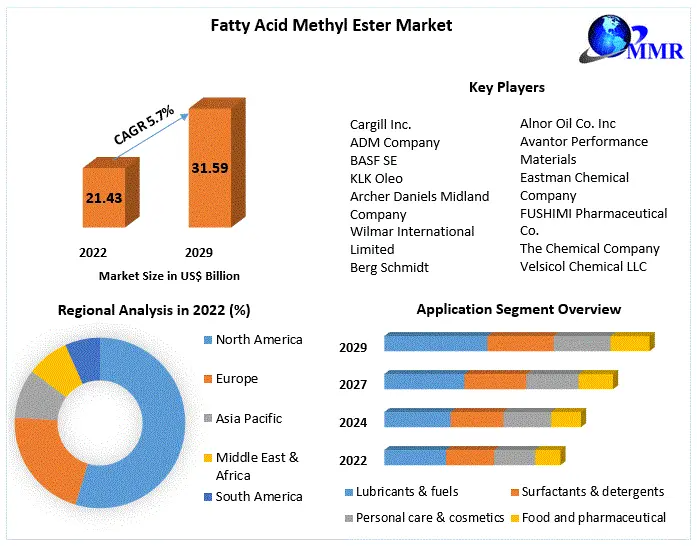
  • Fatty Acid Methyl Ester Market Dynamics, Opportunities, and Competitive Insights (2023-2029)

    Fatty Acid Methyl Ester Market Overview

    Maximize Market Research is a Business Consultancy Firm that has published a detailed analysis of the “Fatty Acid Methyl Ester Market”. The report includes key business insights, demand analysis, pricing analysis, and competitive landscape. The analysis in the report provides an in-depth aspect at the current status of the Fatty Acid Methyl Ester Market, with forecasts outspreading to the year.

    Gain Valuable Insights – Request Your Complimentary Sample Now @ https://www.maximizemarketresearch.com/request-sample/23270/

    Fatty Acid Methyl Ester Market Scope and Methodology:

    The market research report for Fatty Acid Methyl Ester provides comprehensive information on important factors, such as those that are expected to drive the industry growth and future obstacles. This report provides stakeholders with a thorough understanding of the investment opportunities, product offerings, and competitive landscape of the Fatty Acid Methyl Ester industry. Furthermore, it is covered in the research are the sector quantitative and qualitative aspects. Within the framework of the MMR research, regional markets for the Fatty Acid Methyl Ester Market are evaluated in great detail.

    A full description of each of the major and some of the minor components is provided by the study. Using information from primary and secondary sources, the Fatty Acid Methyl Ester Market was created. A number of experts and academics viewpoints, official websites, scientific publications, and annual reports.

    Fatty Acid Methyl Ester Market Segmentation

    by Product

    Glyceryl Monostearate
    Medium Chain Triglycerides
    Polyol Esters
    Glycol Esters
    Isopropyl Palmitate
    Sucrose Esters

    by Application

    Lubricants & fuels
    Surfactants & detergents
    Personal care & cosmetics
    Food and pharmaceutical

    Feel free to request a complimentary sample copy or view a summary of the report @ https://www.maximizemarketresearch.com/request-sample/23270/

    Fatty Acid Methyl Ester Market Regional Insights

    The market size, growth rate, import and export by region, and other relevant variables are all thoroughly analysed in this research. Understanding the Fatty Acid Methyl Ester market conditions in different countries is feasible because to the researchs geographic examination. Africa, Latin America, the Middle East, Asia Pacific, and Europe put together make up the Fatty Acid Methyl Ester market.

    Fatty Acid Methyl Ester Market Key Players

    1. Cargill Inc.
    2. ADM Company
    3. BASF SE
    4. KLK Oleo
    5. Archer Daniels Midland Company
    6. Wilmar International Limited
    7. Berg Schmidt
    8. Emery Oleochemicals Group
    9. Longyan Zhuoyue New Energy Co. Ltd.
    10. Alnor Oil Co. Inc

    Key questions answered in the Fatty Acid Methyl Ester Market are:

    What is Fatty Acid Methyl Ester Market?
    What is the growth rate of the Fatty Acid Methyl Ester Market?
    Which are the factors expected to drive the Fatty Acid Methyl Ester Market growth?
    What are the different segments of the Fatty Acid Methyl Ester Market?
    What growth strategies are the players considering to increase their presence in Fatty Acid Methyl Ester Market?
    What are the upcoming industry applications and trends for the Fatty Acid Methyl Ester Market?
    What are the recent industry trends that can be implemented to generate additional revenue streams for the Fatty Acid Methyl Ester Market?
    Who are the leading companies and what are their portfolios in Fatty Acid Methyl Ester Market?
    What segments are covered in the Fatty Acid Methyl Ester Market?
    Explore More Market Reports:


    Global Polyurethane Sealants Market https://www.maximizemarketresearch.com/market-report/global-polyurethane-sealants-market/31560/

    Global Coloured Polyurethane Foams Market https://www.maximizemarketresearch.com/market-report/global-coloured-polyurethane-foams-market/54840/


    About Maximize Market Research:

    Maximize Market Research is a multifaceted market research and consulting company with professionals from several industries. Some of the industries we cover include medical devices, pharmaceutical manufacturers, science and engineering, electronic components, industrial equipment, technology and communication, cars and automobiles, chemical products and substances, general merchandise, beverages, personal care, and automated systems. To mention a few, we provide market-verified industry estimations, technical trend analysis, crucial market research, strategic advice, competition analysis, production and demand analysis, and client impact studies.

    Contact Maximize Market Research:

    3rd Floor, Navale IT Park, Phase 2

    Pune Banglore Highway, Narhe,

    Pune, Maharashtra 411041, India

    [email protected]

    +91 96071 95908, +91 9607365656
    Fatty Acid Methyl Ester Market Dynamics, Opportunities, and Competitive Insights (2023-2029) Fatty Acid Methyl Ester Market Overview Maximize Market Research is a Business Consultancy Firm that has published a detailed analysis of the “Fatty Acid Methyl Ester Market”. The report includes key business insights, demand analysis, pricing analysis, and competitive landscape. The analysis in the report provides an in-depth aspect at the current status of the Fatty Acid Methyl Ester Market, with forecasts outspreading to the year. Gain Valuable Insights – Request Your Complimentary Sample Now @ https://www.maximizemarketresearch.com/request-sample/23270/ Fatty Acid Methyl Ester Market Scope and Methodology: The market research report for Fatty Acid Methyl Ester provides comprehensive information on important factors, such as those that are expected to drive the industry growth and future obstacles. This report provides stakeholders with a thorough understanding of the investment opportunities, product offerings, and competitive landscape of the Fatty Acid Methyl Ester industry. Furthermore, it is covered in the research are the sector quantitative and qualitative aspects. Within the framework of the MMR research, regional markets for the Fatty Acid Methyl Ester Market are evaluated in great detail. A full description of each of the major and some of the minor components is provided by the study. Using information from primary and secondary sources, the Fatty Acid Methyl Ester Market was created. A number of experts and academics viewpoints, official websites, scientific publications, and annual reports. Fatty Acid Methyl Ester Market Segmentation by Product Glyceryl Monostearate Medium Chain Triglycerides Polyol Esters Glycol Esters Isopropyl Palmitate Sucrose Esters by Application Lubricants & fuels Surfactants & detergents Personal care & cosmetics Food and pharmaceutical Feel free to request a complimentary sample copy or view a summary of the report @ https://www.maximizemarketresearch.com/request-sample/23270/ Fatty Acid Methyl Ester Market Regional Insights The market size, growth rate, import and export by region, and other relevant variables are all thoroughly analysed in this research. Understanding the Fatty Acid Methyl Ester market conditions in different countries is feasible because to the researchs geographic examination. Africa, Latin America, the Middle East, Asia Pacific, and Europe put together make up the Fatty Acid Methyl Ester market. Fatty Acid Methyl Ester Market Key Players 1. Cargill Inc. 2. ADM Company 3. BASF SE 4. KLK Oleo 5. Archer Daniels Midland Company 6. Wilmar International Limited 7. Berg Schmidt 8. Emery Oleochemicals Group 9. Longyan Zhuoyue New Energy Co. Ltd. 10. Alnor Oil Co. Inc Key questions answered in the Fatty Acid Methyl Ester Market are: What is Fatty Acid Methyl Ester Market? What is the growth rate of the Fatty Acid Methyl Ester Market? Which are the factors expected to drive the Fatty Acid Methyl Ester Market growth? What are the different segments of the Fatty Acid Methyl Ester Market? What growth strategies are the players considering to increase their presence in Fatty Acid Methyl Ester Market? What are the upcoming industry applications and trends for the Fatty Acid Methyl Ester Market? What are the recent industry trends that can be implemented to generate additional revenue streams for the Fatty Acid Methyl Ester Market? Who are the leading companies and what are their portfolios in Fatty Acid Methyl Ester Market? What segments are covered in the Fatty Acid Methyl Ester Market? Explore More Market Reports: Global Polyurethane Sealants Market https://www.maximizemarketresearch.com/market-report/global-polyurethane-sealants-market/31560/ Global Coloured Polyurethane Foams Market https://www.maximizemarketresearch.com/market-report/global-coloured-polyurethane-foams-market/54840/ About Maximize Market Research: Maximize Market Research is a multifaceted market research and consulting company with professionals from several industries. Some of the industries we cover include medical devices, pharmaceutical manufacturers, science and engineering, electronic components, industrial equipment, technology and communication, cars and automobiles, chemical products and substances, general merchandise, beverages, personal care, and automated systems. To mention a few, we provide market-verified industry estimations, technical trend analysis, crucial market research, strategic advice, competition analysis, production and demand analysis, and client impact studies. Contact Maximize Market Research: 3rd Floor, Navale IT Park, Phase 2 Pune Banglore Highway, Narhe, Pune, Maharashtra 411041, India [email protected] +91 96071 95908, +91 9607365656
    0 Comentários 0 Compartilhamentos 1129 Visualizações
  • We at laundrylounge.ae revolutionize convenience by offering high-quality laundry and dry-cleaning services that fit your lifestyle. We are located in the heart of Dubai and provide quick, dependable, and environmentally friendly services to both people and companies. Our trained crew takes care of every piece of clothing, from everyday clothes to delicate fabrics to big things like carpets and drapes. We think your time is important. That's why we offer smooth pickup and delivery alternatives. This way, you can get your laundry done without having to change your schedule. Our contemporary facilities use cutting-edge technology and high-quality detergents to get things perfectly clean without damaging the fabric. What we do is all about making customers happy. laundrylounge.ae is the best place to go for clean, fresh, and well-cared-for clothes every time because they have clear prices, quick service, and a dedication to quality. Get laundry services that fit your life: easy, quick, and great.Laundry Service in Barsha,laundromat palm Jumeirah,laundry service in jbr,laundry services dubai marina,fast laundry service
    We at laundrylounge.ae revolutionize convenience by offering high-quality laundry and dry-cleaning services that fit your lifestyle. We are located in the heart of Dubai and provide quick, dependable, and environmentally friendly services to both people and companies. Our trained crew takes care of every piece of clothing, from everyday clothes to delicate fabrics to big things like carpets and drapes. We think your time is important. That's why we offer smooth pickup and delivery alternatives. This way, you can get your laundry done without having to change your schedule. Our contemporary facilities use cutting-edge technology and high-quality detergents to get things perfectly clean without damaging the fabric. What we do is all about making customers happy. laundrylounge.ae is the best place to go for clean, fresh, and well-cared-for clothes every time because they have clear prices, quick service, and a dedication to quality. Get laundry services that fit your life: easy, quick, and great.Laundry Service in Barsha,laundromat palm Jumeirah,laundry service in jbr,laundry services dubai marina,fast laundry service
    0 Comentários 0 Compartilhamentos 1737 Visualizações
  • Rising usage of sodium sulfate for manufacturing of glass for home and commercial buildings, and increasing usage of sodium sulfate in soaps and detergents by manufacturers, are some key factors driving market revenue growth

    https://www.reportsanddata.com/report-detail/sodium-sulfate-market
    Rising usage of sodium sulfate for manufacturing of glass for home and commercial buildings, and increasing usage of sodium sulfate in soaps and detergents by manufacturers, are some key factors driving market revenue growth https://www.reportsanddata.com/report-detail/sodium-sulfate-market
    WWW.REPORTSANDDATA.COM
    Sodium Sulfate Market Size, Share, Outlook Analysis Report 2030
    The global sodium sulfate market size was USD 1.17 Billion in 2021, Rising adoption of sodium sulfate in detergents and soaps, and growing adoption of sodium sulfate for wood pulp are the factors expected to drive market
    0 Comentários 0 Compartilhamentos 4256 Visualizações
Páginas impulsionada