• How to Leverage User Data for Personalised Marketing in 2025
    Introduction:
    Marketing is no longer about sending the same message to everyone. Using user data smartly, from browsing behaviour to purchase history, is what makes your campaigns relevant, meaningful, and high-performing.
    If you’re serious about this, enrolling in Da360's the digital marketing training institute in Bangalore with placement is a smart move. Getting trained in data-driven personalisation gives you a real edge. You can also compare modules to find the best fit for your goals and budget.
    Table of Contents:
    Why User Data & Personalisation Matter
    Common Mistakes in Data-Driven Marketing
    Key Steps to Leverage User Data
    Emerging Trends in Personalisation for 2025
    Where to Learn: Courses & Fees in Bangalore
    Tools to Turn Data Into Personalised Campaigns
    Final Thoughts
    Why User Data & Personalisation Matter
    Using user data for personalisation is expected.
    According to one 2025 roundup, 74% of digital marketing leaders are investing more in personalisation, and 91% of consumers say they’re more likely to shop with brands that provide relevant recommendations.
    Research shows behavioural targeting (which uses user data such as past behaviour) improves customer engagement by 78% and conversion rates by 20%.
    Common Mistakes in Data-Driven Marketing:
    Collecting data but not acting on it: Many businesses gather user info but don’t translate it into personalised experiences.
    Over-reliance on basic segments: Using just age or gender without diving into behaviour, intent or purchase history. For example, only 39% of brands personalise websites based on individual behaviour.
    Ignoring privacy & consent: As data becomes central, handling it responsibly is critical. An academic paper highlights the risks of privacy leakage in AI-driven personalised advertising.
    Key Steps to Leverage User Data
    Collect​‍​‌‍​‍‌​‍​‌‍​‍‌ the Right Kind of Data: Don't limit yourself to just demographic info. You also need to know browsing trends, purchase history, time spent, and content consumed.
    Segment & Persona-Build: Develop user cohorts. E.g., “first-time buyers browsing high-value items”, “repeat customers low basket size”, etc.
    Develop Personalised Touchpoints: Employ the data to deliver the message that the customer is most likely to appreciate at the most appropriate time. “You viewed X, here’s Y”, or “Based on your last purchase, you might like Z”.
    Incorporate Real-Time Behaviour Signals: Personalisation is not a fixed thing. Consumers will demand continuously updated offers (e.g. when a location change occurs, or a user revisits).
    Measure & Optimise: Keep a record of the results like engagement rate, conversion lift, and retention. Behavioural-data-driven companies are experiencing a significant improvement in ​‍​‌‍​‍‌​‍​‌‍​‍‌ROI.
    Emerging Trends in Personalisation for 2025
    Here are the top personalization trends to watch in 2025:
    Hyper-Personalisation:​‍​‌‍​‍‌​‍​‌‍​‍‌ Companies are moving away from using broad segments for marketing and instead creating individualised one-to-one experiences for the customers. One source said, "By 2025, almost 80% of consumers will be more willing to purchase from a brand that provides personalised experiences."
    First-Party Data Emphasis: As third-party cookies are gradually disappearing, companies need to establish direct relationships with customers and obtain permission-based data.
    AI & Predictive Analytics: The number of businesses that are employing machine learning to forecast customer requirements rather than just respond to them is increasing.
    Train Personalised Marketing with DA360
    If you’re in Bangalore and want to upskill in this area, DA360 is a good option. Their module includes:
    35+ sessions covering SEO, ads, email, funnels, AI, and website optimisation
    15+ campaigns with live data
    Personalised feedback to refine messaging and design
    Online and in-class sessions
    93% success rate in helping students apply skills professionally
    Looking for a best digital marketing training institute in Bangalore? DA360’s flexible structure makes it ideal for those who want to grow in the data-driven marketing space.
    Tools to Turn Data Into Personalised Campaigns
    Customer Data Platforms (CDPs): To unify first-party data and create unified profiles.
    Behaviour Analytics Tools: To capture how users interact with your site, app or content.
    Personalisation Engines / Recommendation Systems: To dynamically serve content/offers based on data.
    AI & Automation Tools: To process data, trigger messages, and optimise in real-time.
    Training the right tools is part of DA360’s Digital Marketing courses.
    Final Thoughts:
    In 2025, using user data to tailor marketing is a must if you want to stay competitive. Generic messages won’t cut through the noise. But if you can segment smartly, personalise wisely, and use the right training to build your skills, you’re positioning yourself (or your business) for meaningful growth.
    If you’re ready to master this, look for DA360's the best digital marketing training institute in Bangalore. Equip yourself with the data-driven mindset and tools to deliver personalised marketing that actually converts.
    Digital Marketing Training Institute Bangalore | 100% Placement
    Join Digital Marketing Training Institute in Bangalore For Performance Marketing & Media Buying Course. 100% Job Guaranteed*. Approved by MESC & Skill India
    https://www.digitalacademy360.com/digital-marketing-training-institute-bangalore
    https://maps.app.goo.gl/vdpBTD77zFdiyTov5
    No 46/A, 1st Main Rd, opposite Mini Forest, Sarakki Industrial Layout, 3rd Phase, J. P. Nagar, Bengaluru, Karnataka 560078
    7353515515
    https://youtu.be/pnWnY0TrPPw?si=zgTfI8Whdy7SNNz5
    Keywords: #digitalmarketingtraininginBangalore, #digitalmarketinginstituteinBangalore, #digitalmarketingtraininginstituteinBangalore, #bestdigitalmarketingtraininginBangalore, #bestdigitalmarketingtraininginstituteinBangalore, #bestdigitalmarketinginstituteinBangalore, #bestonlinedigitalmarketingtraininginBangalore, #InstituteofdigitalmarketinginBangalore, #performancemarketingcourseinBangalore, #mediabuyingcourseinBangalore, #internetmarketingtraininginBangalore, #internetmarketingtraininginstituteinBangalore, #internetmarketinginstituteinBangalore
    How to Leverage User Data for Personalised Marketing in 2025 Introduction: Marketing is no longer about sending the same message to everyone. Using user data smartly, from browsing behaviour to purchase history, is what makes your campaigns relevant, meaningful, and high-performing. If you’re serious about this, enrolling in Da360's the digital marketing training institute in Bangalore with placement is a smart move. Getting trained in data-driven personalisation gives you a real edge. You can also compare modules to find the best fit for your goals and budget. Table of Contents: Why User Data & Personalisation Matter Common Mistakes in Data-Driven Marketing Key Steps to Leverage User Data Emerging Trends in Personalisation for 2025 Where to Learn: Courses & Fees in Bangalore Tools to Turn Data Into Personalised Campaigns Final Thoughts Why User Data & Personalisation Matter Using user data for personalisation is expected. According to one 2025 roundup, 74% of digital marketing leaders are investing more in personalisation, and 91% of consumers say they’re more likely to shop with brands that provide relevant recommendations. Research shows behavioural targeting (which uses user data such as past behaviour) improves customer engagement by 78% and conversion rates by 20%. Common Mistakes in Data-Driven Marketing: Collecting data but not acting on it: Many businesses gather user info but don’t translate it into personalised experiences. Over-reliance on basic segments: Using just age or gender without diving into behaviour, intent or purchase history. For example, only 39% of brands personalise websites based on individual behaviour. Ignoring privacy & consent: As data becomes central, handling it responsibly is critical. An academic paper highlights the risks of privacy leakage in AI-driven personalised advertising. Key Steps to Leverage User Data Collect​‍​‌‍​‍‌​‍​‌‍​‍‌ the Right Kind of Data: Don't limit yourself to just demographic info. You also need to know browsing trends, purchase history, time spent, and content consumed. Segment & Persona-Build: Develop user cohorts. E.g., “first-time buyers browsing high-value items”, “repeat customers low basket size”, etc. Develop Personalised Touchpoints: Employ the data to deliver the message that the customer is most likely to appreciate at the most appropriate time. “You viewed X, here’s Y”, or “Based on your last purchase, you might like Z”. Incorporate Real-Time Behaviour Signals: Personalisation is not a fixed thing. Consumers will demand continuously updated offers (e.g. when a location change occurs, or a user revisits). Measure & Optimise: Keep a record of the results like engagement rate, conversion lift, and retention. Behavioural-data-driven companies are experiencing a significant improvement in ​‍​‌‍​‍‌​‍​‌‍​‍‌ROI. Emerging Trends in Personalisation for 2025 Here are the top personalization trends to watch in 2025: Hyper-Personalisation:​‍​‌‍​‍‌​‍​‌‍​‍‌ Companies are moving away from using broad segments for marketing and instead creating individualised one-to-one experiences for the customers. One source said, "By 2025, almost 80% of consumers will be more willing to purchase from a brand that provides personalised experiences." First-Party Data Emphasis: As third-party cookies are gradually disappearing, companies need to establish direct relationships with customers and obtain permission-based data. AI & Predictive Analytics: The number of businesses that are employing machine learning to forecast customer requirements rather than just respond to them is increasing. Train Personalised Marketing with DA360 If you’re in Bangalore and want to upskill in this area, DA360 is a good option. Their module includes: 35+ sessions covering SEO, ads, email, funnels, AI, and website optimisation 15+ campaigns with live data Personalised feedback to refine messaging and design Online and in-class sessions 93% success rate in helping students apply skills professionally Looking for a best digital marketing training institute in Bangalore? DA360’s flexible structure makes it ideal for those who want to grow in the data-driven marketing space. Tools to Turn Data Into Personalised Campaigns Customer Data Platforms (CDPs): To unify first-party data and create unified profiles. Behaviour Analytics Tools: To capture how users interact with your site, app or content. Personalisation Engines / Recommendation Systems: To dynamically serve content/offers based on data. AI & Automation Tools: To process data, trigger messages, and optimise in real-time. Training the right tools is part of DA360’s Digital Marketing courses. Final Thoughts: In 2025, using user data to tailor marketing is a must if you want to stay competitive. Generic messages won’t cut through the noise. But if you can segment smartly, personalise wisely, and use the right training to build your skills, you’re positioning yourself (or your business) for meaningful growth. If you’re ready to master this, look for DA360's the best digital marketing training institute in Bangalore. Equip yourself with the data-driven mindset and tools to deliver personalised marketing that actually converts. Digital Marketing Training Institute Bangalore | 100% Placement Join Digital Marketing Training Institute in Bangalore For Performance Marketing & Media Buying Course. 100% Job Guaranteed*. Approved by MESC & Skill India https://www.digitalacademy360.com/digital-marketing-training-institute-bangalore https://maps.app.goo.gl/vdpBTD77zFdiyTov5 No 46/A, 1st Main Rd, opposite Mini Forest, Sarakki Industrial Layout, 3rd Phase, J. P. Nagar, Bengaluru, Karnataka 560078 7353515515 https://youtu.be/pnWnY0TrPPw?si=zgTfI8Whdy7SNNz5 Keywords: #digitalmarketingtraininginBangalore, #digitalmarketinginstituteinBangalore, #digitalmarketingtraininginstituteinBangalore, #bestdigitalmarketingtraininginBangalore, #bestdigitalmarketingtraininginstituteinBangalore, #bestdigitalmarketinginstituteinBangalore, #bestonlinedigitalmarketingtraininginBangalore, #InstituteofdigitalmarketinginBangalore, #performancemarketingcourseinBangalore, #mediabuyingcourseinBangalore, #internetmarketingtraininginBangalore, #internetmarketingtraininginstituteinBangalore, #internetmarketinginstituteinBangalore
    WWW.DIGITALACADEMY360.COM
    Digital Marketing Training Institute Bangalore | 100% Placement
    Join Digital Marketing Training Institute in Bangalore For Performance Marketing & Media Buying Course. 100% Job Guaranteed*. Approved by MESC & Skill India
    0 Comentários 0 Compartilhamentos 1976 Visualizações
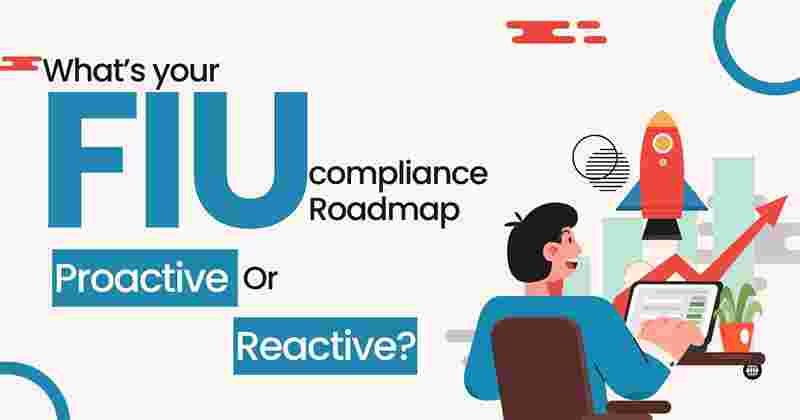
  • What’s your FIU compliance roadmap — proactive or reactive?

    Businesses entering the digital finance and crypto sectors must make an important strategic choice: Will their FIU compliance roadmap be proactive or reactive? For businessmen and startup founders, this choice affects operational stability, long-term growth, customer trust, and regulatory approval. Understanding how FIU requirements work and how to approach them efficiently gives your business an edge in an increasingly compliance-driven market.

    Understanding FIU and Its Growing Importance
    The FIU (Financial Intelligence Unit) plays a central role in monitoring financial transactions, preventing fraud, and ensuring AML/CFT compliance. With the fast growth of crypto, digital assets, tokenization, and global financial platforms, the FIU has become one of the most important regulatory bodies that businesses must align with.
    For startups and established businesses, FIU regulations are not obstacles—they are gateways to trust, credibility, and market expansion. Companies that follow FIU norms demonstrate security awareness, operational transparency, and a genuine commitment to customer protection.


    Why Businesses Should Focus on a Proactive FIU Approach
    A proactive FIU strategy means preparing early, aligning internal processes with updated guidelines, and investing in compliance-friendly infrastructure before issues arise. Why does this matter?
    Better Preparedness for Audits
    Businesses with proactive FIU compliance face fewer challenges during audits. Their documents are organized, risk assessments are updated, and operational processes already align with accepted FIU best practices.
    Stronger Market Reputation
    Businesses that stay ahead of compliance requirements build trust faster, especially in industries like fintech, crypto, digital payments, and token exchanges. Customers and investors always favor companies that prioritize safety and transparency.
    Improved Risk Management
    Proactive compliance reduces the chances of:
    Transaction monitoring issues


    KYC/KYB errors


    Reporting delays


    Operational penalties


    Strong risk controls help businesses operate smoothly and minimize legal exposure.

    Reactive FIU Compliance: Why It Comes at a Cost
    Many businesses adopt a reactive FIU approach—responding only when regulations tighten, audits approach, or issues surface. While this may offer short-term convenience, the long-term impact can be costly.
    Higher Costs Due to Urgent Fixes
    Fixing compliance issues under pressure leads to rushed implementations, expensive upgrades, and unnecessary disruptions.
    Increased Penalties and Reporting Delays
    When FIU guidelines are not followed, businesses risk:
    Penalties


    License delays


    Blocked transactions


    Loss of customer confidence


    Reactive strategies create risk exposure that could have been avoided.
    Operational Slowdowns
    Teams stressed with last-minute compliance tasks often struggle to maintain performance. This slows down onboarding, product development, and decision-making.

    Key Components of a Strong FIU Compliance Roadmap
    A successful FIU roadmap is structured, strategic, and customized to your business model. The following components form the foundation of a high-performing compliance structure:
    Comprehensive KYC/KYB Processes
    Customer onboarding should include:
    ID verification


    Address validation


    Business documentation


    Risk profiling


    Modern digital platforms use automation to make these processes fast and smooth.
    Transaction Monitoring Systems
    Real-time AML transaction monitoring protects your platform from suspicious activity. Automated monitoring tools detect unusual patterns early and ensure proper reporting to the FIU when required.
    Record Maintenance and Reporting
    Accurate documentation is essential. FIU guidelines often require specific records to be stored for several years, including:
    Customer data


    Transaction trails


    Internal reports


    Suspicious activity alerts


    Well-organized records help in audits and regulatory checks.
    Staff Training and Compliance Awareness
    Your team must understand:
    FIU rules


    Reporting obligations


    Security best practices


    Risk assessment methods


    A compliance-aware workforce ensures fewer operational errors.
    Internal Audit and Quality Control
    Regular internal review cycles ensure your business stays aligned with the latest FIU updates. This includes:
    Revisiting compliance frameworks


    Updating risk models


    Verifying customer data


    Reviewing monitoring alerts


    Why FIU Matters More for Crypto and Fintech Startups
    Startups in crypto, DeFi, payment services, and tokenization deal with more scrutiny because of:
    Faster transaction cycles


    Borderless operations


    Digital wallets


    Higher risk of financial misuse


    FIU compliance helps startups demonstrate stability, making it easier to:
    Attract investors


    Secure licenses


    Build customer trust


    Grow internationally


    A structured roadmap creates long-term sustainability and credibility.


    Benefits of Having a Clear FIU Compliance Strategy
    A strong FIU roadmap offers business advantages that directly support growth:
    Smooth Business Operations
    Clear processes reduce confusion and make daily operations more efficient.
    Investor Confidence
    Investors prefer businesses that have strong compliance structures, especially in crypto and financial services.
    Faster Market Expansion
    Regulators approve well-prepared businesses faster, helping them expand into new regions.
    Customer Trust
    Customers choose platforms that are secure, transparent, and compliant with FIU regulations.

    Best Practices to Strengthen Your FIU Compliance Roadmap
    Here are proven strategies that businesses can follow:
    Integrate Automated Compliance Tools
    Automation reduces human errors and speeds up reporting.
    Conduct Regular Compliance Audits
    Scheduled audits help identify gaps early.
    Stay Updated with FIU Guidelines
    Regulations change constantly, businesses must stay informed.
    Maintain High-Quality Data Security
    Strong cybersecurity ensures compliance as well as trust.
    Create a Scalable Framework
    Your FIU roadmap should grow with your business, not restrict it.


    Conclusion
    An effective FIU compliance roadmap empowers businesses to grow with confidence. The choice between proactive and reactive approaches determines how efficiently your company can scale, build trust, and meet the increasing demands of the financial ecosystem. For businessmen and startups, compliance is not just a regulatory task, it is a strategic advantage that strengthens brand reputation, investor appeal, and customer loyalty.
    For expert guidance and a clear path forward, partnering with a professional FIU Consultant ensures your compliance journey stays strong, accurate, and future-ready.

    What Are You Waiting For Try Now! >> https://www.beleaftechnologies.com/fiu-consultant


    Reach Us

    Whatsapp : +91 8056786622

    Email id : [email protected]

    Telegram : https://telegram.me/BeleafSoftTech

    What’s your FIU compliance roadmap — proactive or reactive? Businesses entering the digital finance and crypto sectors must make an important strategic choice: Will their FIU compliance roadmap be proactive or reactive? For businessmen and startup founders, this choice affects operational stability, long-term growth, customer trust, and regulatory approval. Understanding how FIU requirements work and how to approach them efficiently gives your business an edge in an increasingly compliance-driven market. Understanding FIU and Its Growing Importance The FIU (Financial Intelligence Unit) plays a central role in monitoring financial transactions, preventing fraud, and ensuring AML/CFT compliance. With the fast growth of crypto, digital assets, tokenization, and global financial platforms, the FIU has become one of the most important regulatory bodies that businesses must align with. For startups and established businesses, FIU regulations are not obstacles—they are gateways to trust, credibility, and market expansion. Companies that follow FIU norms demonstrate security awareness, operational transparency, and a genuine commitment to customer protection. Why Businesses Should Focus on a Proactive FIU Approach A proactive FIU strategy means preparing early, aligning internal processes with updated guidelines, and investing in compliance-friendly infrastructure before issues arise. Why does this matter? Better Preparedness for Audits Businesses with proactive FIU compliance face fewer challenges during audits. Their documents are organized, risk assessments are updated, and operational processes already align with accepted FIU best practices. Stronger Market Reputation Businesses that stay ahead of compliance requirements build trust faster, especially in industries like fintech, crypto, digital payments, and token exchanges. Customers and investors always favor companies that prioritize safety and transparency. Improved Risk Management Proactive compliance reduces the chances of: Transaction monitoring issues KYC/KYB errors Reporting delays Operational penalties Strong risk controls help businesses operate smoothly and minimize legal exposure. Reactive FIU Compliance: Why It Comes at a Cost Many businesses adopt a reactive FIU approach—responding only when regulations tighten, audits approach, or issues surface. While this may offer short-term convenience, the long-term impact can be costly. Higher Costs Due to Urgent Fixes Fixing compliance issues under pressure leads to rushed implementations, expensive upgrades, and unnecessary disruptions. Increased Penalties and Reporting Delays When FIU guidelines are not followed, businesses risk: Penalties License delays Blocked transactions Loss of customer confidence Reactive strategies create risk exposure that could have been avoided. Operational Slowdowns Teams stressed with last-minute compliance tasks often struggle to maintain performance. This slows down onboarding, product development, and decision-making. Key Components of a Strong FIU Compliance Roadmap A successful FIU roadmap is structured, strategic, and customized to your business model. The following components form the foundation of a high-performing compliance structure: Comprehensive KYC/KYB Processes Customer onboarding should include: ID verification Address validation Business documentation Risk profiling Modern digital platforms use automation to make these processes fast and smooth. Transaction Monitoring Systems Real-time AML transaction monitoring protects your platform from suspicious activity. Automated monitoring tools detect unusual patterns early and ensure proper reporting to the FIU when required. Record Maintenance and Reporting Accurate documentation is essential. FIU guidelines often require specific records to be stored for several years, including: Customer data Transaction trails Internal reports Suspicious activity alerts Well-organized records help in audits and regulatory checks. Staff Training and Compliance Awareness Your team must understand: FIU rules Reporting obligations Security best practices Risk assessment methods A compliance-aware workforce ensures fewer operational errors. Internal Audit and Quality Control Regular internal review cycles ensure your business stays aligned with the latest FIU updates. This includes: Revisiting compliance frameworks Updating risk models Verifying customer data Reviewing monitoring alerts Why FIU Matters More for Crypto and Fintech Startups Startups in crypto, DeFi, payment services, and tokenization deal with more scrutiny because of: Faster transaction cycles Borderless operations Digital wallets Higher risk of financial misuse FIU compliance helps startups demonstrate stability, making it easier to: Attract investors Secure licenses Build customer trust Grow internationally A structured roadmap creates long-term sustainability and credibility. Benefits of Having a Clear FIU Compliance Strategy A strong FIU roadmap offers business advantages that directly support growth: Smooth Business Operations Clear processes reduce confusion and make daily operations more efficient. Investor Confidence Investors prefer businesses that have strong compliance structures, especially in crypto and financial services. Faster Market Expansion Regulators approve well-prepared businesses faster, helping them expand into new regions. Customer Trust Customers choose platforms that are secure, transparent, and compliant with FIU regulations. Best Practices to Strengthen Your FIU Compliance Roadmap Here are proven strategies that businesses can follow: Integrate Automated Compliance Tools Automation reduces human errors and speeds up reporting. Conduct Regular Compliance Audits Scheduled audits help identify gaps early. Stay Updated with FIU Guidelines Regulations change constantly, businesses must stay informed. Maintain High-Quality Data Security Strong cybersecurity ensures compliance as well as trust. Create a Scalable Framework Your FIU roadmap should grow with your business, not restrict it. Conclusion An effective FIU compliance roadmap empowers businesses to grow with confidence. The choice between proactive and reactive approaches determines how efficiently your company can scale, build trust, and meet the increasing demands of the financial ecosystem. For businessmen and startups, compliance is not just a regulatory task, it is a strategic advantage that strengthens brand reputation, investor appeal, and customer loyalty. For expert guidance and a clear path forward, partnering with a professional FIU Consultant ensures your compliance journey stays strong, accurate, and future-ready. What Are You Waiting For Try Now! >> https://www.beleaftechnologies.com/fiu-consultant Reach Us Whatsapp : +91 8056786622 Email id : [email protected] Telegram : https://telegram.me/BeleafSoftTech
    0 Comentários 0 Compartilhamentos 2181 Visualizações
  • Managing Customer Relationships Through WhatsApp Business API

    In today’s fast-paced digital world, businesses are constantly seeking smarter and more personal ways to engage with their customers. One of the most powerful tools reshaping customer communication is the WhatsApp Business API. Designed for medium and large enterprises, it enables brands to streamline communication, automate responses, and build lasting relationships through the most popular messaging app in the world. Partnering with a trusted WhatsApp API provider or Meta Business Partner ensures that businesses unlock the full potential of this revolutionary platform.

    The official WhatsApp API offers much more than just a chat interface—it transforms WhatsApp into a complete customer engagement channel. Through WhatsApp automation, businesses can send notifications, order updates, appointment reminders, and personalized offers, all in real time. This level of instant and contextual communication builds trust and strengthens customer relationships. Unlike traditional emails or SMS, messages sent through WhatsApp are more likely to be opened and acted upon, making it the perfect channel for conversational commerce.

    A major advantage of using the WhatsApp Business API lies in its seamless WhatsApp CRM integration. Businesses can sync their WhatsApp conversations with customer data, allowing teams to track interactions, manage leads, and deliver personalized support effortlessly. When combined with WhatsApp automation tools, this integration enables businesses to create workflows that respond instantly to customer inquiries, even outside business hours. This not only boosts operational efficiency but also enhances customer satisfaction and loyalty.

    Implementing a WhatsApp chatbot can take the customer experience to another level. A well-designed WhatsApp chatbot can handle FAQs, process orders, schedule appointments, or route complex queries to human agents. This 24/7 support capability ensures that customers always receive timely responses, improving engagement while reducing the workload on support teams. By choosing a reliable WhatsApp API provider, businesses can deploy intelligent chatbots that understand natural language and deliver human-like interactions, creating a smooth and enjoyable experience for customers.

    Working with a certified Meta Business Partner guarantees access to the official WhatsApp API, compliance with WhatsApp’s security standards, and support from experts who understand the platform’s evolving features. These partners offer customized solutions tailored to each business’s needs—whether it’s setting up WhatsApp CRM integration, building automation workflows, or optimizing performance analytics. Businesses that invest in professional WhatsApp Business Service gain the assurance of scalability, reliability, and data privacy, all of which are crucial for enterprise-grade communication.

    The future of customer relationship management lies in conversational engagement, and the WhatsApp Business API is at the heart of this transformation. By integrating WhatsApp automation, intelligent chatbots, and CRM connectivity, businesses can maintain meaningful, two-way conversations that build loyalty and drive sales. The convenience of messaging, combined with automation and personalization, makes WhatsApp a channel that customers genuinely love interacting with. https://smsala.com/whatsapp-business-api/


    In conclusion, managing customer relationships through the WhatsApp Business API is no longer just an option—it’s a strategic necessity. Choosing the right WhatsApp API provider and Meta Business Partner ensures that your business leverages the official WhatsApp API to its fullest potential. With powerful tools like WhatsApp automation, WhatsApp chatbot, and WhatsApp CRM integration, your brand can deliver exceptional service, improve response times, and create meaningful connections with customers every day. Embrace the power of WhatsApp Business Service and watch your customer relationships thrive in the era of conversational commerce.
    Managing Customer Relationships Through WhatsApp Business API In today’s fast-paced digital world, businesses are constantly seeking smarter and more personal ways to engage with their customers. One of the most powerful tools reshaping customer communication is the WhatsApp Business API. Designed for medium and large enterprises, it enables brands to streamline communication, automate responses, and build lasting relationships through the most popular messaging app in the world. Partnering with a trusted WhatsApp API provider or Meta Business Partner ensures that businesses unlock the full potential of this revolutionary platform. The official WhatsApp API offers much more than just a chat interface—it transforms WhatsApp into a complete customer engagement channel. Through WhatsApp automation, businesses can send notifications, order updates, appointment reminders, and personalized offers, all in real time. This level of instant and contextual communication builds trust and strengthens customer relationships. Unlike traditional emails or SMS, messages sent through WhatsApp are more likely to be opened and acted upon, making it the perfect channel for conversational commerce. A major advantage of using the WhatsApp Business API lies in its seamless WhatsApp CRM integration. Businesses can sync their WhatsApp conversations with customer data, allowing teams to track interactions, manage leads, and deliver personalized support effortlessly. When combined with WhatsApp automation tools, this integration enables businesses to create workflows that respond instantly to customer inquiries, even outside business hours. This not only boosts operational efficiency but also enhances customer satisfaction and loyalty. Implementing a WhatsApp chatbot can take the customer experience to another level. A well-designed WhatsApp chatbot can handle FAQs, process orders, schedule appointments, or route complex queries to human agents. This 24/7 support capability ensures that customers always receive timely responses, improving engagement while reducing the workload on support teams. By choosing a reliable WhatsApp API provider, businesses can deploy intelligent chatbots that understand natural language and deliver human-like interactions, creating a smooth and enjoyable experience for customers. Working with a certified Meta Business Partner guarantees access to the official WhatsApp API, compliance with WhatsApp’s security standards, and support from experts who understand the platform’s evolving features. These partners offer customized solutions tailored to each business’s needs—whether it’s setting up WhatsApp CRM integration, building automation workflows, or optimizing performance analytics. Businesses that invest in professional WhatsApp Business Service gain the assurance of scalability, reliability, and data privacy, all of which are crucial for enterprise-grade communication. The future of customer relationship management lies in conversational engagement, and the WhatsApp Business API is at the heart of this transformation. By integrating WhatsApp automation, intelligent chatbots, and CRM connectivity, businesses can maintain meaningful, two-way conversations that build loyalty and drive sales. The convenience of messaging, combined with automation and personalization, makes WhatsApp a channel that customers genuinely love interacting with. https://smsala.com/whatsapp-business-api/ In conclusion, managing customer relationships through the WhatsApp Business API is no longer just an option—it’s a strategic necessity. Choosing the right WhatsApp API provider and Meta Business Partner ensures that your business leverages the official WhatsApp API to its fullest potential. With powerful tools like WhatsApp automation, WhatsApp chatbot, and WhatsApp CRM integration, your brand can deliver exceptional service, improve response times, and create meaningful connections with customers every day. Embrace the power of WhatsApp Business Service and watch your customer relationships thrive in the era of conversational commerce.
    SMSALA.COM
    WhatsApp Business API | Automate Marketing, OTP & Support – SMSala
    Boost sales & automate customer conversations using SMSala WhatsApp Business API. Green tick approval, bulk campaigns, chatbot & click-to-WhatsApp ads. Start instantly.
    0 Comentários 0 Compartilhamentos 1739 Visualizações
  • Securing Customer Data: The Role of CRM in Safeguarding Customer Information

    Learn about the essential role of CRM systems in protecting customer data against threats ensuring compliance and fostering trust in a digital era.
    Read Full Article Here :- https://www.martechcube.com/crm-data-security-insights/

    Visit Our Website:- https://www.martechcube.com
    Securing Customer Data: The Role of CRM in Safeguarding Customer Information Learn about the essential role of CRM systems in protecting customer data against threats ensuring compliance and fostering trust in a digital era. Read Full Article Here :- https://www.martechcube.com/crm-data-security-insights/ Visit Our Website:- https://www.martechcube.com
    0 Comentários 0 Compartilhamentos 3795 Visualizações