• Looking to build a secure and scalable crypto payment solution for your business? Modern digital platforms require fast transaction processing, multi-currency support, secure wallet integration, and seamless cross-border payment capabilities to stay competitive in today’s evolving financial ecosystem.
    High-performance crypto payment gateway development helps businesses handle growing transaction volumes while delivering smooth, reliable, and secure payment experiences for users worldwide. From fintech platforms and e-commerce businesses to SaaS and digital marketplaces, crypto payment solutions are becoming an essential part of modern payment infrastructure.
    A powerful crypto payment gateway should include real-time transaction processing, advanced security protocols, blockchain integration, KYC/AML support, and scalable architecture designed for future business growth.
    For businesses looking to launch reliable and future-ready payment solutions, Coinexra offers the best crypto payment gateway development services with secure, scalable, and business-focused solutions tailored to modern digital payment demands.
    Learn More >> https://www.softean.com/cryptocurrency-payment-gateway-development
    Looking to build a secure and scalable crypto payment solution for your business? Modern digital platforms require fast transaction processing, multi-currency support, secure wallet integration, and seamless cross-border payment capabilities to stay competitive in today’s evolving financial ecosystem. High-performance crypto payment gateway development helps businesses handle growing transaction volumes while delivering smooth, reliable, and secure payment experiences for users worldwide. From fintech platforms and e-commerce businesses to SaaS and digital marketplaces, crypto payment solutions are becoming an essential part of modern payment infrastructure. A powerful crypto payment gateway should include real-time transaction processing, advanced security protocols, blockchain integration, KYC/AML support, and scalable architecture designed for future business growth. For businesses looking to launch reliable and future-ready payment solutions, Coinexra offers the best crypto payment gateway development services with secure, scalable, and business-focused solutions tailored to modern digital payment demands. Learn More >> https://www.softean.com/cryptocurrency-payment-gateway-development
    Crypto Payment Gateway Development Company | Softean
    Build secure, compliant crypto payment gateways with Softean, a leading cryptocurrency payment gateway development company delivering scalable crypto solutions.
    0 Comentários 0 Compartilhamentos 780 Visualizações
  • Blockchain-Powered Web Development Solutions for Modern Businesses

    Intelisync is a leading blockchain and Web3 development company offering innovative web development solutions for startups, enterprises, and growing digital businesses. We specialize in creating secure, scalable, and high-performance web platforms integrated with blockchain technology, artificial intelligence, and decentralized systems.

    Our expert team develops custom blockchain applications, decentralized platforms (DApps), NFT marketplaces, DeFi solutions, smart contracts, crypto-based ecosystems, and enterprise-grade Web3 websites tailored to your business goals. By combining modern web technologies with blockchain infrastructure, we help businesses improve transparency, security, automation, and user engagement.

    Intelisync also offers AI integration, cloud solutions, Layer 2 scalability, tokenization, and multi-chain interoperability to ensure your digital platform is future-ready and optimized for growth. Our end-to-end development process focuses on performance, innovation, and delivering seamless user experiences across industries including fintech, healthcare, gaming, and crypto.

    Visit our website for more information: https://intelisync.io/our-services/web-development/
    Blockchain-Powered Web Development Solutions for Modern Businesses Intelisync is a leading blockchain and Web3 development company offering innovative web development solutions for startups, enterprises, and growing digital businesses. We specialize in creating secure, scalable, and high-performance web platforms integrated with blockchain technology, artificial intelligence, and decentralized systems. Our expert team develops custom blockchain applications, decentralized platforms (DApps), NFT marketplaces, DeFi solutions, smart contracts, crypto-based ecosystems, and enterprise-grade Web3 websites tailored to your business goals. By combining modern web technologies with blockchain infrastructure, we help businesses improve transparency, security, automation, and user engagement. Intelisync also offers AI integration, cloud solutions, Layer 2 scalability, tokenization, and multi-chain interoperability to ensure your digital platform is future-ready and optimized for growth. Our end-to-end development process focuses on performance, innovation, and delivering seamless user experiences across industries including fintech, healthcare, gaming, and crypto. Visit our website for more information: https://intelisync.io/our-services/web-development/
    Web Development Services for Web3 & Blockchain Startups | Intelisync
    Conversion-optimized Web3 websites, secure dApp frontends, wallet integrations, and UX architecture built for speed and scalability. Strengthen your presence.
    0 Comentários 0 Compartilhamentos 1192 Visualizações
  • Launch a stronger crypto market presence with a professionally developed CoinMarketCap Clone Script built for modern trading ecosystems, business expansion, and long-term digital asset platform growth in the competitive cryptocurrency industry.

    Visit us >> https://www.addustechnologies.com/blog/coinmarketcap-clone-script

    #CoinMarketCapCloneScript #CryptoPlatform #BlockchainBusiness #CryptoDevelopment #DigitalAssetPlatform #CryptocurrencyMarket #FintechSolutions #BlockchainTechnology
    Launch a stronger crypto market presence with a professionally developed CoinMarketCap Clone Script built for modern trading ecosystems, business expansion, and long-term digital asset platform growth in the competitive cryptocurrency industry. Visit us >> https://www.addustechnologies.com/blog/coinmarketcap-clone-script #CoinMarketCapCloneScript #CryptoPlatform #BlockchainBusiness #CryptoDevelopment #DigitalAssetPlatform #CryptocurrencyMarket #FintechSolutions #BlockchainTechnology
    0 Comentários 0 Compartilhamentos 713 Visualizações
  • Advanced Metaverse Casino Game Development creates immersive virtual gaming environments with blockchain-based ecosystems for startups and enterprises entering the expanding Web3 gaming industry with modern digital casino platforms.

    Visit us >>https://www.addustechnologies.com/blog/metaverse-casino-game-development

    #MetaverseCasino #Web3Gaming #BlockchainGaming #VirtualCasino #CryptoGaming #GameDevelopment #MetaverseDevelopment #NFTGaming #DigitalGaming #CasinoPlatform
    Advanced Metaverse Casino Game Development creates immersive virtual gaming environments with blockchain-based ecosystems for startups and enterprises entering the expanding Web3 gaming industry with modern digital casino platforms. Visit us >>https://www.addustechnologies.com/blog/metaverse-casino-game-development #MetaverseCasino #Web3Gaming #BlockchainGaming #VirtualCasino #CryptoGaming #GameDevelopment #MetaverseDevelopment #NFTGaming #DigitalGaming #CasinoPlatform
    0 Comentários 0 Compartilhamentos 529 Visualizações
  • Aquaculture Market Inhibitors and Winning Strategies Shaping Future Industry Development

    Aquaculture Market Inhibitors and Winning Strategies are becoming increasingly important as the global aquaculture industry continues expanding to meet rising seafood demand and food security requirements. Aquaculture, which includes the farming of fish, shellfish, crustaceans, mollusks, and aquatic plants, has become a critical contributor to global seafood supply. However, the industry faces several operational and environmental inhibitors that can affect production efficiency, profitability, and long-term sustainability.

    At the same time, producers are adopting advanced technologies, sustainable farming methods, and strategic operational improvements to overcome these barriers and strengthen market competitiveness. Winning strategies focused on digital transformation, climate resilience, feed innovation, and infrastructure modernization are helping the industry improve operational performance and long-term growth potential.

    The balance between managing market inhibitors and implementing effective growth strategies is expected to shape the future of the aquaculture industry worldwide.

    Disease Outbreaks Acting as Major Market Inhibitors

    One of the most significant inhibitors within the aquaculture market is the increasing occurrence of disease outbreaks among aquatic species. Fish and shrimp farming operations are highly vulnerable to bacterial, viral, fungal, and parasitic infections, particularly in intensive farming environments.

    Poor water quality, overcrowded ponds, and inadequate biosecurity systems often accelerate disease transmission. These outbreaks can lead to major production losses, reduced seafood quality, and significant financial damage for producers.

    Frequent disease incidents may also disrupt seafood exports and create instability within global supply chains. Smaller farming operations often face greater difficulty implementing advanced disease prevention systems due to limited financial resources.

    To address this inhibitor, producers are increasingly investing in advanced water treatment systems, vaccination programs, and AI-powered disease monitoring technologies. Predictive analytics and smart aquaculture systems are helping farmers detect health issues earlier and improve production stability.

    High Feed Costs Limiting Profitability

    Feed expenses remain one of the largest operational inhibitors affecting aquaculture market growth. Traditional fishmeal and fish oil resources are becoming increasingly expensive due to rising global demand and environmental pressure on marine ecosystems.

    Feed price volatility can significantly reduce profitability and limit production capacity expansion. Transportation costs and supply chain disruptions are also contributing to higher feed expenses across the industry.

    Winning strategies within the industry now focus heavily on sustainable feed innovation. Producers are increasingly adopting alternative feed ingredients such as algae-based proteins, plant-derived nutrients, insect-based feed products, and microbial proteins.

    Precision feeding technologies and automated feeding systems are also helping reduce feed wastage and improve feed conversion efficiency. These solutions support both operational profitability and environmental sustainability.

    Environmental Sustainability Challenges Affecting Expansion

    Environmental concerns continue to act as major inhibitors within the aquaculture industry. Intensive fish farming activities may contribute to water pollution, habitat degradation, and ecosystem imbalance if waste management systems are not properly maintained.

    Fish waste, chemical residues, and uneaten feed can negatively affect aquatic ecosystems and reduce water quality. Governments and environmental agencies are introducing stricter sustainability regulations aimed at reducing the ecological impact of aquaculture operations.

    Compliance with environmental standards may increase operational costs and create administrative complexity for producers. Public concern regarding environmental sustainability and seafood traceability is also increasing pressure on the industry.

    To overcome these challenges, producers are implementing sustainable aquaculture strategies such as recirculating aquaculture systems, biofloc technology, and integrated multi-trophic aquaculture systems. These methods improve water efficiency, reduce environmental impact, and support long-term production sustainability.

    Investments in climate-resilient infrastructure and eco-friendly farming practices are becoming essential winning strategies for long-term industry success.

    Climate Change Creating Long-Term Industry Risks

    Climate change is becoming an increasingly important inhibitor affecting aquaculture operations worldwide. Rising water temperatures, changing ocean conditions, and extreme weather events are creating operational instability for seafood production systems.

    Warmer water temperatures can reduce oxygen levels and increase stress among aquatic species, negatively affecting growth rates and survival levels. Climate-related environmental changes may also accelerate disease outbreaks and harmful algal blooms.

    Extreme weather conditions such as storms, floods, cyclones, and droughts can damage aquaculture infrastructure and interrupt seafood production cycles.

    Winning strategies aimed at improving climate resilience are becoming increasingly important. Producers are investing in indoor aquaculture facilities, advanced water management systems, climate-resistant aquatic species, and offshore farming systems to reduce environmental risks.

    Controlled farming environments and recirculating aquaculture systems are helping improve operational stability under changing climate conditions.

    Infrastructure and Supply Chain Limitations

    Infrastructure limitations remain another important inhibitor affecting aquaculture market expansion. Limited access to hatcheries, feed production facilities, seafood processing plants, transportation systems, and cold-chain logistics can reduce production efficiency and seafood quality.

    Poor storage infrastructure may increase seafood spoilage and reduce product shelf life during transportation and distribution. Smaller farming operations often face challenges accessing modern infrastructure due to limited financial capacity.

    To address these limitations, governments and private investors are increasing investment in seafood processing facilities, transportation networks, hatchery expansion, and cold storage infrastructure.

    Digital supply chain management systems and improved logistics technologies are also helping strengthen seafood distribution efficiency and export competitiveness.

    Technology Adoption as a Winning Strategy

    Technological innovation is becoming one of the most effective winning strategies within the aquaculture market. Producers are increasingly implementing smart farming technologies, artificial intelligence systems, and automated monitoring platforms to improve operational efficiency.

    Smart aquaculture systems equipped with sensors allow farmers to monitor water quality, oxygen levels, fish behavior, and feeding schedules in real time. AI-powered systems support predictive disease management, feeding optimization, and production forecasting.

    Automation in harvesting, feeding, and environmental monitoring is helping reduce labor dependency while improving productivity and consistency.

    Although technology adoption may require substantial initial investment, digital transformation is expected to remain a major competitive advantage within the industry.

    Government Support Strengthening Industry Development

    Government initiatives are playing a major role in supporting aquaculture market growth and helping producers overcome operational inhibitors. Many countries are implementing financial assistance programs, modernization initiatives, and technical training schemes aimed at improving seafood production capacity.

    Research institutions and aquaculture organizations are collaborating to improve breeding technologies, disease resistance, and sustainable farming practices.

    Government support for inland aquaculture, freshwater fish farming, and export-oriented seafood production is also contributing to industry expansion across multiple regions.

    Public-private partnerships and long-term infrastructure investment are expected to remain critical winning strategies for future industry development.

    Consumer Preference for Sustainable Seafood Driving Innovation

    Changing consumer preferences are encouraging aquaculture producers to adopt more sustainable and transparent production methods. Consumers are increasingly demanding responsibly sourced seafood products with improved traceability and environmental sustainability.

    Retailers and food service providers are expanding offerings of sustainably farmed seafood products, encouraging producers to improve operational transparency and responsible sourcing practices.
    Learn more- https://www.pristinemarketinsights.com/aquaculture-market-report
    Aquaculture Market Inhibitors and Winning Strategies Shaping Future Industry Development Aquaculture Market Inhibitors and Winning Strategies are becoming increasingly important as the global aquaculture industry continues expanding to meet rising seafood demand and food security requirements. Aquaculture, which includes the farming of fish, shellfish, crustaceans, mollusks, and aquatic plants, has become a critical contributor to global seafood supply. However, the industry faces several operational and environmental inhibitors that can affect production efficiency, profitability, and long-term sustainability. At the same time, producers are adopting advanced technologies, sustainable farming methods, and strategic operational improvements to overcome these barriers and strengthen market competitiveness. Winning strategies focused on digital transformation, climate resilience, feed innovation, and infrastructure modernization are helping the industry improve operational performance and long-term growth potential. The balance between managing market inhibitors and implementing effective growth strategies is expected to shape the future of the aquaculture industry worldwide. Disease Outbreaks Acting as Major Market Inhibitors One of the most significant inhibitors within the aquaculture market is the increasing occurrence of disease outbreaks among aquatic species. Fish and shrimp farming operations are highly vulnerable to bacterial, viral, fungal, and parasitic infections, particularly in intensive farming environments. Poor water quality, overcrowded ponds, and inadequate biosecurity systems often accelerate disease transmission. These outbreaks can lead to major production losses, reduced seafood quality, and significant financial damage for producers. Frequent disease incidents may also disrupt seafood exports and create instability within global supply chains. Smaller farming operations often face greater difficulty implementing advanced disease prevention systems due to limited financial resources. To address this inhibitor, producers are increasingly investing in advanced water treatment systems, vaccination programs, and AI-powered disease monitoring technologies. Predictive analytics and smart aquaculture systems are helping farmers detect health issues earlier and improve production stability. High Feed Costs Limiting Profitability Feed expenses remain one of the largest operational inhibitors affecting aquaculture market growth. Traditional fishmeal and fish oil resources are becoming increasingly expensive due to rising global demand and environmental pressure on marine ecosystems. Feed price volatility can significantly reduce profitability and limit production capacity expansion. Transportation costs and supply chain disruptions are also contributing to higher feed expenses across the industry. Winning strategies within the industry now focus heavily on sustainable feed innovation. Producers are increasingly adopting alternative feed ingredients such as algae-based proteins, plant-derived nutrients, insect-based feed products, and microbial proteins. Precision feeding technologies and automated feeding systems are also helping reduce feed wastage and improve feed conversion efficiency. These solutions support both operational profitability and environmental sustainability. Environmental Sustainability Challenges Affecting Expansion Environmental concerns continue to act as major inhibitors within the aquaculture industry. Intensive fish farming activities may contribute to water pollution, habitat degradation, and ecosystem imbalance if waste management systems are not properly maintained. Fish waste, chemical residues, and uneaten feed can negatively affect aquatic ecosystems and reduce water quality. Governments and environmental agencies are introducing stricter sustainability regulations aimed at reducing the ecological impact of aquaculture operations. Compliance with environmental standards may increase operational costs and create administrative complexity for producers. Public concern regarding environmental sustainability and seafood traceability is also increasing pressure on the industry. To overcome these challenges, producers are implementing sustainable aquaculture strategies such as recirculating aquaculture systems, biofloc technology, and integrated multi-trophic aquaculture systems. These methods improve water efficiency, reduce environmental impact, and support long-term production sustainability. Investments in climate-resilient infrastructure and eco-friendly farming practices are becoming essential winning strategies for long-term industry success. Climate Change Creating Long-Term Industry Risks Climate change is becoming an increasingly important inhibitor affecting aquaculture operations worldwide. Rising water temperatures, changing ocean conditions, and extreme weather events are creating operational instability for seafood production systems. Warmer water temperatures can reduce oxygen levels and increase stress among aquatic species, negatively affecting growth rates and survival levels. Climate-related environmental changes may also accelerate disease outbreaks and harmful algal blooms. Extreme weather conditions such as storms, floods, cyclones, and droughts can damage aquaculture infrastructure and interrupt seafood production cycles. Winning strategies aimed at improving climate resilience are becoming increasingly important. Producers are investing in indoor aquaculture facilities, advanced water management systems, climate-resistant aquatic species, and offshore farming systems to reduce environmental risks. Controlled farming environments and recirculating aquaculture systems are helping improve operational stability under changing climate conditions. Infrastructure and Supply Chain Limitations Infrastructure limitations remain another important inhibitor affecting aquaculture market expansion. Limited access to hatcheries, feed production facilities, seafood processing plants, transportation systems, and cold-chain logistics can reduce production efficiency and seafood quality. Poor storage infrastructure may increase seafood spoilage and reduce product shelf life during transportation and distribution. Smaller farming operations often face challenges accessing modern infrastructure due to limited financial capacity. To address these limitations, governments and private investors are increasing investment in seafood processing facilities, transportation networks, hatchery expansion, and cold storage infrastructure. Digital supply chain management systems and improved logistics technologies are also helping strengthen seafood distribution efficiency and export competitiveness. Technology Adoption as a Winning Strategy Technological innovation is becoming one of the most effective winning strategies within the aquaculture market. Producers are increasingly implementing smart farming technologies, artificial intelligence systems, and automated monitoring platforms to improve operational efficiency. Smart aquaculture systems equipped with sensors allow farmers to monitor water quality, oxygen levels, fish behavior, and feeding schedules in real time. AI-powered systems support predictive disease management, feeding optimization, and production forecasting. Automation in harvesting, feeding, and environmental monitoring is helping reduce labor dependency while improving productivity and consistency. Although technology adoption may require substantial initial investment, digital transformation is expected to remain a major competitive advantage within the industry. Government Support Strengthening Industry Development Government initiatives are playing a major role in supporting aquaculture market growth and helping producers overcome operational inhibitors. Many countries are implementing financial assistance programs, modernization initiatives, and technical training schemes aimed at improving seafood production capacity. Research institutions and aquaculture organizations are collaborating to improve breeding technologies, disease resistance, and sustainable farming practices. Government support for inland aquaculture, freshwater fish farming, and export-oriented seafood production is also contributing to industry expansion across multiple regions. Public-private partnerships and long-term infrastructure investment are expected to remain critical winning strategies for future industry development. Consumer Preference for Sustainable Seafood Driving Innovation Changing consumer preferences are encouraging aquaculture producers to adopt more sustainable and transparent production methods. Consumers are increasingly demanding responsibly sourced seafood products with improved traceability and environmental sustainability. Retailers and food service providers are expanding offerings of sustainably farmed seafood products, encouraging producers to improve operational transparency and responsible sourcing practices. Learn more- https://www.pristinemarketinsights.com/aquaculture-market-report
    0 Comentários 0 Compartilhamentos 1127 Visualizações
  • Launch of Three New Student Startups at Our Incubation Center:

    Marking another step forward in our innovation ecosystem,

    See Now: - https://www.instagram.com/reel/DT5Wydej7Tm/?igsh=NWo5ZjRwZDVtcTJq
    Launch of Three New Student Startups at Our Incubation Center: Marking another step forward in our innovation ecosystem, See Now: - https://www.instagram.com/reel/DT5Wydej7Tm/?igsh=NWo5ZjRwZDVtcTJq
    WWW.INSTAGRAM.COM
    Invertis University (Official) on Instagram: "Marking another step forward in our innovation ecosystem, with the launch of three new student startups at the Incubation Center. #Invertisuniversity #uttarpradesh #incubation #bestuniversity #bareilly"
    957 likes, 96 comments - invertis.university on January 24, 2026: "Marking another step forward in our innovation ecosystem, with the launch of three new student startups at the Incubation Center. #Invertisuniversity #uttarpradesh #incubation #bestuniversity #bareilly".
    0 Comentários 0 Compartilhamentos 218 Visualizações
  • Corrugated Fanfold Market Dynamics Driving Sustainable Packaging Innovation Across Industries Worldwide Growth Trends


    Overview of Corrugated Fanfold Packaging

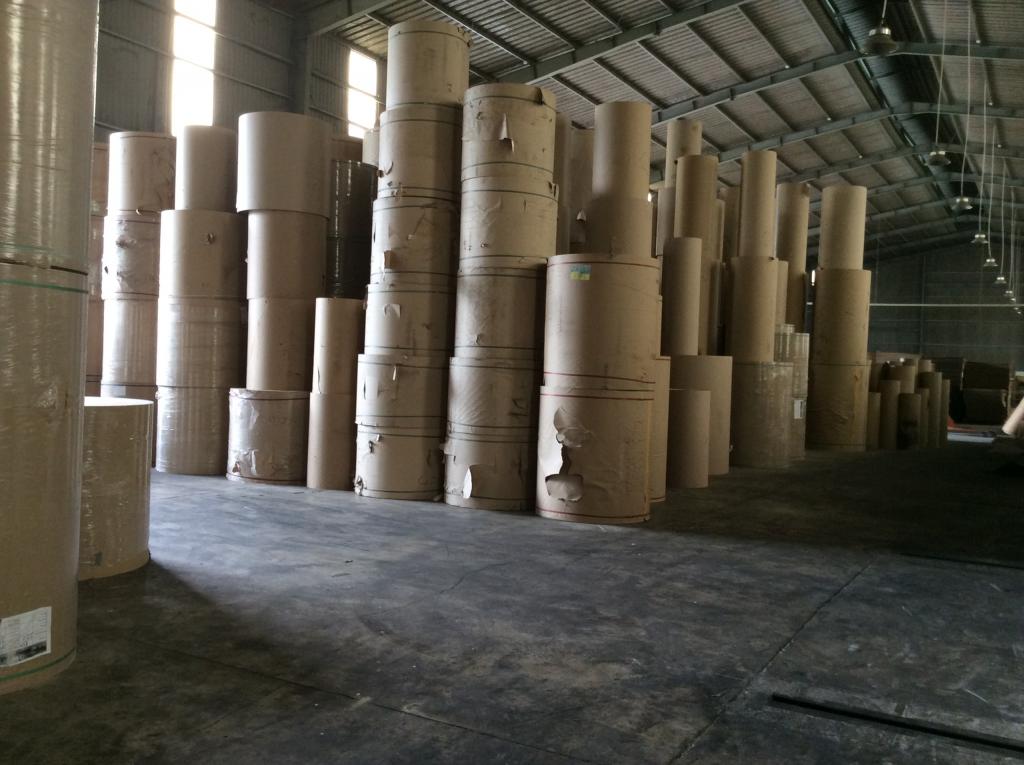
    Corrugated fanfold packaging has become a crucial component in modern packaging ecosystems, primarily due to its adaptability, cost efficiency, and suitability for automated packaging lines. It consists of continuous corrugated sheets folded in a zigzag pattern, allowing users to cut custom-sized boxes or wraps on demand. This flexibility reduces material waste and improves operational efficiency in logistics and warehousing environments.


    Key Market Drivers

    Key drivers influencing the growth of corrugated fanfold packaging include the rapid expansion of e-commerce, increasing automation in packaging facilities, and the rising demand for sustainable materials. The surge in online retail has significantly increased the need for flexible packaging formats that can accommodate varied product sizes without excessive waste. Automated packaging systems, which rely on precise cutting and efficient material usage, are further accelerating the adoption of fanfold corrugated sheets. Sustainability concerns are also shaping procurement decisions, as companies aim to reduce their environmental footprint through recyclable and biodegradable packaging solutions.


    Challenges and Market Constraints

    Despite strong growth prospects, the corrugated fanfold packaging sector faces several challenges that could limit its expansion. Fluctuations in raw material prices, particularly paper and pulp, can significantly impact production costs and profit margins for manufacturers. Additionally, supply chain disruptions can lead to delays in material availability, affecting timely delivery to end-users.
    The high initial investment required for automated cutting and packaging systems may also deter small and medium enterprises from adopting fanfold solutions.

    Opportunities and Technological Advancements

    The future of corrugated fanfold packaging is shaped by significant opportunities arising from technological innovation and evolving consumer expectations. Integration of smart packaging systems, including automated cutting and real-time customization, is enhancing production efficiency and reducing material wastage. The growth of digital printing technologies is also enabling brands to incorporate high-quality graphics and branding elements directly onto corrugated surfaces, increasing their marketing value.

    Collaboration between manufacturers and logistics providers is also fostering innovation in packaging design and distribution efficiency. As industries continue to prioritize sustainability and cost reduction, corrugated fanfold solutions are expected to play a vital role in shaping next-generation packaging systems across global supply chains.

    Industry Outlook and Applications

    The corrugated fanfold packaging industry is poised for steady growth driven by technological advancements, sustainability goals, and expanding global trade networks. Its applications span across multiple sectors, including e-commerce fulfillment centers, automotive components packaging, consumer electronics, and food distribution industries.

    The ability to customize packaging dimensions on demand offers significant advantages in reducing material waste and improving logistics efficiency. As supply chains become more complex, businesses are increasingly adopting flexible packaging systems that can adapt to fluctuating order volumes and product diversity. Innovations in lightweight yet durable corrugated materials are also enhancing product protection during transit.

    Moreover, increasing awareness of environmental responsibility is encouraging companies to transition from conventional packaging materials to recyclable alternatives. This shift is expected to reinforce the long-term adoption of fanfold-based solutions across global markets, making them an integral part of modern packaging infrastructure.
    Learn more about - https://www.pristinemarketinsights.com/corrugated-fanfold-market-report
    Corrugated Fanfold Market Dynamics Driving Sustainable Packaging Innovation Across Industries Worldwide Growth Trends Overview of Corrugated Fanfold Packaging Corrugated fanfold packaging has become a crucial component in modern packaging ecosystems, primarily due to its adaptability, cost efficiency, and suitability for automated packaging lines. It consists of continuous corrugated sheets folded in a zigzag pattern, allowing users to cut custom-sized boxes or wraps on demand. This flexibility reduces material waste and improves operational efficiency in logistics and warehousing environments. Key Market Drivers Key drivers influencing the growth of corrugated fanfold packaging include the rapid expansion of e-commerce, increasing automation in packaging facilities, and the rising demand for sustainable materials. The surge in online retail has significantly increased the need for flexible packaging formats that can accommodate varied product sizes without excessive waste. Automated packaging systems, which rely on precise cutting and efficient material usage, are further accelerating the adoption of fanfold corrugated sheets. Sustainability concerns are also shaping procurement decisions, as companies aim to reduce their environmental footprint through recyclable and biodegradable packaging solutions. Challenges and Market Constraints Despite strong growth prospects, the corrugated fanfold packaging sector faces several challenges that could limit its expansion. Fluctuations in raw material prices, particularly paper and pulp, can significantly impact production costs and profit margins for manufacturers. Additionally, supply chain disruptions can lead to delays in material availability, affecting timely delivery to end-users. The high initial investment required for automated cutting and packaging systems may also deter small and medium enterprises from adopting fanfold solutions. Opportunities and Technological Advancements The future of corrugated fanfold packaging is shaped by significant opportunities arising from technological innovation and evolving consumer expectations. Integration of smart packaging systems, including automated cutting and real-time customization, is enhancing production efficiency and reducing material wastage. The growth of digital printing technologies is also enabling brands to incorporate high-quality graphics and branding elements directly onto corrugated surfaces, increasing their marketing value. Collaboration between manufacturers and logistics providers is also fostering innovation in packaging design and distribution efficiency. As industries continue to prioritize sustainability and cost reduction, corrugated fanfold solutions are expected to play a vital role in shaping next-generation packaging systems across global supply chains. Industry Outlook and Applications The corrugated fanfold packaging industry is poised for steady growth driven by technological advancements, sustainability goals, and expanding global trade networks. Its applications span across multiple sectors, including e-commerce fulfillment centers, automotive components packaging, consumer electronics, and food distribution industries. The ability to customize packaging dimensions on demand offers significant advantages in reducing material waste and improving logistics efficiency. As supply chains become more complex, businesses are increasingly adopting flexible packaging systems that can adapt to fluctuating order volumes and product diversity. Innovations in lightweight yet durable corrugated materials are also enhancing product protection during transit. Moreover, increasing awareness of environmental responsibility is encouraging companies to transition from conventional packaging materials to recyclable alternatives. This shift is expected to reinforce the long-term adoption of fanfold-based solutions across global markets, making them an integral part of modern packaging infrastructure. Learn more about - https://www.pristinemarketinsights.com/corrugated-fanfold-market-report
    0 Comentários 0 Compartilhamentos 1217 Visualizações
  • Solar Collector Market Dynamics Driving Growth In Renewable Energy Adoption Globally Worldwide Trends

    Introduction

    The global shift toward clean and renewable energy systems has significantly influenced the development of solar-based technologies. Among these, solar thermal systems play a vital role in harnessing sunlight for heating and power generation applications. The Solar Collector Market Dynamics reflect the interaction of technological progress, policy support, and increasing environmental awareness that collectively drive market expansion. Solar collectors convert solar radiation into usable heat energy, making them essential for residential, commercial, and industrial applications. With rising concerns about carbon emissions and fossil fuel dependency, solar collectors are becoming a preferred alternative energy solution across multiple regions.

    Market Overview

    The solar collector industry is characterized by continuous innovation and expanding adoption across diverse sectors. Flat plate collectors and evacuated tube collectors remain the most widely used technologies due to their efficiency and adaptability. Growing urbanization and infrastructure development are increasing the demand for sustainable heating solutions. Governments across the globe are promoting renewable energy integration, further accelerating adoption. The market is also benefiting from declining installation costs and improved material performance, making solar thermal systems more accessible to a wider consumer base.

    Key Growth Drivers

    One of the primary drivers of market growth is the increasing global focus on reducing greenhouse gas emissions. Rising energy consumption in residential and commercial buildings is pushing demand for sustainable heating alternatives. Government incentives, subsidies, and tax benefits are encouraging both individuals and industries to adopt solar technologies. Additionally, advancements in collector design have improved energy conversion rates, making systems more cost-effective over time. The growing need for energy security in developing economies also supports the adoption of solar thermal systems as a reliable energy source.

    Market Restraints

    Despite strong growth potential, the industry faces several challenges. High initial installation costs remain a major barrier for widespread adoption, particularly in price-sensitive regions. Weather dependency also affects system efficiency, as solar collectors rely heavily on sunlight availability. Limited awareness in rural and underdeveloped areas further restricts market penetration. Maintenance requirements and space constraints in urban environments can also hinder large-scale deployment. These factors collectively slow down adoption rates in certain regions, despite the long-term benefits of solar energy systems.

    Opportunities in the Market

    The increasing integration of renewable energy into smart infrastructure presents significant opportunities for solar collector expansion. Industrial heating applications are emerging as a major growth segment, especially in food processing, textile, and chemical industries. The shift toward green building certifications is also boosting demand for solar thermal systems in construction projects. Emerging economies offer substantial untapped potential due to rising energy demand and supportive policy frameworks. In addition, hybrid systems combining solar collectors with other renewable technologies are creating new avenues for innovation and efficiency improvements.

    Technology Trends

    Technological advancements are reshaping the efficiency and performance of solar collectors. Modern designs now incorporate advanced coating materials that enhance heat absorption and reduce energy loss. Automated tracking systems are being developed to maximize solar exposure throughout the day. Integration with IoT-based monitoring systems allows real-time performance tracking and predictive maintenance. The focus on improving thermal storage capabilities is also gaining traction, enabling better energy utilization during non-sunny hours. These innovations are making solar collectors more reliable and efficient than ever before, strengthening their role in the renewable energy ecosystem.

    Regional Insights

    Different regions exhibit varying levels of adoption based on policy frameworks, climate conditions, and economic development. Europe remains a leader in solar thermal adoption due to strong environmental regulations and government support. Asia-Pacific is witnessing rapid growth driven by population expansion, industrialization, and increasing energy demand. Countries in this region are investing heavily in renewable infrastructure to reduce dependence on fossil fuels. North America is also experiencing steady growth, supported by technological innovation and sustainability initiatives. Meanwhile, emerging markets in Africa and Latin America present long-term growth potential due to abundant solar resources.

    Future Outlook

    The future of the solar collector industry appears promising, with continued advancements in technology and increasing global commitment to sustainability. Growing investments in renewable infrastructure are expected to further enhance market expansion. The rising emphasis on decarbonization and energy efficiency will likely strengthen demand across multiple sectors. As energy systems become more integrated and intelligent, solar collectors will play an increasingly important role in hybrid renewable solutions. The long-term outlook suggests steady growth driven by innovation, policy support, and increasing environmental consciousness.

    Conclusion

    The solar collector industry is positioned for sustained expansion as global energy systems transition toward cleaner alternatives. Continuous innovation, supportive regulations, and rising environmental awareness are key factors shaping its trajectory.
    Learn more about - https://www.pristinemarketinsights.com/solar-collector-market-report
    Solar Collector Market Dynamics Driving Growth In Renewable Energy Adoption Globally Worldwide Trends Introduction The global shift toward clean and renewable energy systems has significantly influenced the development of solar-based technologies. Among these, solar thermal systems play a vital role in harnessing sunlight for heating and power generation applications. The Solar Collector Market Dynamics reflect the interaction of technological progress, policy support, and increasing environmental awareness that collectively drive market expansion. Solar collectors convert solar radiation into usable heat energy, making them essential for residential, commercial, and industrial applications. With rising concerns about carbon emissions and fossil fuel dependency, solar collectors are becoming a preferred alternative energy solution across multiple regions. Market Overview The solar collector industry is characterized by continuous innovation and expanding adoption across diverse sectors. Flat plate collectors and evacuated tube collectors remain the most widely used technologies due to their efficiency and adaptability. Growing urbanization and infrastructure development are increasing the demand for sustainable heating solutions. Governments across the globe are promoting renewable energy integration, further accelerating adoption. The market is also benefiting from declining installation costs and improved material performance, making solar thermal systems more accessible to a wider consumer base. Key Growth Drivers One of the primary drivers of market growth is the increasing global focus on reducing greenhouse gas emissions. Rising energy consumption in residential and commercial buildings is pushing demand for sustainable heating alternatives. Government incentives, subsidies, and tax benefits are encouraging both individuals and industries to adopt solar technologies. Additionally, advancements in collector design have improved energy conversion rates, making systems more cost-effective over time. The growing need for energy security in developing economies also supports the adoption of solar thermal systems as a reliable energy source. Market Restraints Despite strong growth potential, the industry faces several challenges. High initial installation costs remain a major barrier for widespread adoption, particularly in price-sensitive regions. Weather dependency also affects system efficiency, as solar collectors rely heavily on sunlight availability. Limited awareness in rural and underdeveloped areas further restricts market penetration. Maintenance requirements and space constraints in urban environments can also hinder large-scale deployment. These factors collectively slow down adoption rates in certain regions, despite the long-term benefits of solar energy systems. Opportunities in the Market The increasing integration of renewable energy into smart infrastructure presents significant opportunities for solar collector expansion. Industrial heating applications are emerging as a major growth segment, especially in food processing, textile, and chemical industries. The shift toward green building certifications is also boosting demand for solar thermal systems in construction projects. Emerging economies offer substantial untapped potential due to rising energy demand and supportive policy frameworks. In addition, hybrid systems combining solar collectors with other renewable technologies are creating new avenues for innovation and efficiency improvements. Technology Trends Technological advancements are reshaping the efficiency and performance of solar collectors. Modern designs now incorporate advanced coating materials that enhance heat absorption and reduce energy loss. Automated tracking systems are being developed to maximize solar exposure throughout the day. Integration with IoT-based monitoring systems allows real-time performance tracking and predictive maintenance. The focus on improving thermal storage capabilities is also gaining traction, enabling better energy utilization during non-sunny hours. These innovations are making solar collectors more reliable and efficient than ever before, strengthening their role in the renewable energy ecosystem. Regional Insights Different regions exhibit varying levels of adoption based on policy frameworks, climate conditions, and economic development. Europe remains a leader in solar thermal adoption due to strong environmental regulations and government support. Asia-Pacific is witnessing rapid growth driven by population expansion, industrialization, and increasing energy demand. Countries in this region are investing heavily in renewable infrastructure to reduce dependence on fossil fuels. North America is also experiencing steady growth, supported by technological innovation and sustainability initiatives. Meanwhile, emerging markets in Africa and Latin America present long-term growth potential due to abundant solar resources. Future Outlook The future of the solar collector industry appears promising, with continued advancements in technology and increasing global commitment to sustainability. Growing investments in renewable infrastructure are expected to further enhance market expansion. The rising emphasis on decarbonization and energy efficiency will likely strengthen demand across multiple sectors. As energy systems become more integrated and intelligent, solar collectors will play an increasingly important role in hybrid renewable solutions. The long-term outlook suggests steady growth driven by innovation, policy support, and increasing environmental consciousness. Conclusion The solar collector industry is positioned for sustained expansion as global energy systems transition toward cleaner alternatives. Continuous innovation, supportive regulations, and rising environmental awareness are key factors shaping its trajectory. Learn more about - https://www.pristinemarketinsights.com/solar-collector-market-report
    0 Comentários 0 Compartilhamentos 1346 Visualizações
  • Investment Guidance in Hyderabad: Smart Financial Planning Made Simple

    Hyderabad has emerged as a major financial and technology hub, increasing awareness about wealth creation, retirement planning, and smart money management. Professional investment guidance helps individuals—from beginners to seasoned investors—make informed financial decisions and achieve long-term goals.

    Investment guidance involves expert advice on mutual funds, stocks, bonds, insurance, and portfolio diversification. Advisors in Hyderabad offer both in-person and digital services, including real-time portfolio tracking and AI-driven recommendations. Key services include financial goal setting, portfolio management, retirement planning, tax-efficient strategies, and risk mitigation.

    Choosing the right advisor is crucial. Look for SEBI registration, personalized planning, transparent fees, proven performance, and a holistic financial approach. Avoid relying solely on social media or expecting guaranteed returns. Combining professional advice with personal research offers the best results.

    Technology is transforming investment guidance—robo-advisors, AI tools, and mobile apps make investing transparent, accurate, and convenient. Beginners benefit from starting small, learning financial basics, and focusing on long-term goals while gradually expanding their portfolios.

    With Hyderabad’s growing financial ecosystem, professional investment guidance ensures structured planning, diversified portfolios, and reduced financial stress, setting the foundation for long-term wealth and security.

    for more info : https://researchmantra.in/

    #InvestmentGuidanceHyderabad
    Investment Guidance in Hyderabad: Smart Financial Planning Made Simple Hyderabad has emerged as a major financial and technology hub, increasing awareness about wealth creation, retirement planning, and smart money management. Professional investment guidance helps individuals—from beginners to seasoned investors—make informed financial decisions and achieve long-term goals. Investment guidance involves expert advice on mutual funds, stocks, bonds, insurance, and portfolio diversification. Advisors in Hyderabad offer both in-person and digital services, including real-time portfolio tracking and AI-driven recommendations. Key services include financial goal setting, portfolio management, retirement planning, tax-efficient strategies, and risk mitigation. Choosing the right advisor is crucial. Look for SEBI registration, personalized planning, transparent fees, proven performance, and a holistic financial approach. Avoid relying solely on social media or expecting guaranteed returns. Combining professional advice with personal research offers the best results. Technology is transforming investment guidance—robo-advisors, AI tools, and mobile apps make investing transparent, accurate, and convenient. Beginners benefit from starting small, learning financial basics, and focusing on long-term goals while gradually expanding their portfolios. With Hyderabad’s growing financial ecosystem, professional investment guidance ensures structured planning, diversified portfolios, and reduced financial stress, setting the foundation for long-term wealth and security. for more info : https://researchmantra.in/ #InvestmentGuidanceHyderabad
    0 Comentários 0 Compartilhamentos 559 Visualizações
  • A Rarible clone script helps businesses build NFT marketplaces inspired by Rarible, enabling strong market entry, user engagement, and consistent lead generation in the evolving Web3 ecosystem.

    Visit us >>https://www.addustechnologies.com/rarible-clone-script

    #RaribleCloneScript #NFTMarketplace #BlockchainDevelopment #Web3Business #LeadGeneration #CryptoPlatform
    A Rarible clone script helps businesses build NFT marketplaces inspired by Rarible, enabling strong market entry, user engagement, and consistent lead generation in the evolving Web3 ecosystem. Visit us >>https://www.addustechnologies.com/rarible-clone-script #RaribleCloneScript #NFTMarketplace #BlockchainDevelopment #Web3Business #LeadGeneration #CryptoPlatform
    0 Comentários 0 Compartilhamentos 934 Visualizações
Páginas Impulsionadas