• Colour Cosmetics Market Intelligence Global Trends Growth Drivers Strategic Outlook Competitive Landscape Analysis

    Executive Overview

    The global beauty and personal care space continues to experience strong momentum, with colour cosmetics playing a central role in shaping brand competition and consumer engagement. The industry spans products such as foundations, lipsticks, eyeliners, blushes, and concealers, all of which are influenced by changing lifestyle trends and digital influence. The phrase Colour Cosmetics Market Intelligence reflects the structured understanding of demand patterns, product innovation, and evolving retail dynamics shaping this sector.

    Rising urbanization, increasing disposable income, and greater awareness of personal grooming have expanded the reach of beauty products across emerging and developed markets. Social media platforms and influencer-driven marketing have further accelerated product discovery, making beauty trends more global and fast-moving than ever before.

    Market Dynamics

    The colour cosmetics market is shaped by a combination of demand-side and supply-side factors. On the demand side, consumers are increasingly seeking high-performance products that offer long-lasting coverage, skin-friendly formulations, and multifunctional benefits. On the supply side, manufacturers are investing heavily in research and development to create safer, more sustainable, and inclusive product lines.

    A key driver is product personalization. Consumers now expect shades and formulations that match diverse skin tones and preferences. This shift has pushed brands to expand shade ranges and adopt more inclusive strategies. Additionally, premiumization is gaining traction, with consumers willing to pay more for high-quality and dermatologist-tested formulations.

    Consumer Trends

    Modern consumers are more informed and conscious about what they apply to their skin. Clean beauty has become a major trend, with increased demand for products free from harmful chemicals, parabens, and synthetic additives. At the same time, cruelty-free and vegan certifications are influencing purchase decisions.

    Digital engagement plays a critical role in shaping buying behavior. Virtual try-on tools, augmented reality filters, and online tutorials have made it easier for consumers to experiment with products before purchasing. This digital-first approach is particularly strong among younger demographics.

    Another important shift is the growing preference for hybrid products that combine skincare and makeup benefits. Items like tinted moisturizers, serum foundations, and SPF-infused lip products are gaining popularity as consumers look for efficiency and simplicity in their beauty routines.

    Product Innovation & Technology

    Innovation remains at the heart of the colour cosmetics industry. Advanced formulation techniques are enabling longer wear, better pigmentation, and improved skin compatibility. The use of nanotechnology, plant-based ingredients, and microbiome-friendly formulations is reshaping product development strategies.

    Artificial intelligence is also playing a growing role in product customization and recommendation systems. Brands are leveraging data analytics to understand consumer preferences and create targeted product offerings.


    Competitive Landscape

    The competitive environment is highly fragmented, with both global giants and niche brands competing for market share. Established companies focus on expanding their global footprint and investing in marketing campaigns, while emerging brands differentiate themselves through unique formulations and digital-first strategies.

    Brand loyalty is increasingly influenced by authenticity, transparency, and social responsibility. Companies that align with ethical sourcing and sustainability goals tend to perform better in consumer perception. Influencer collaborations and celebrity endorsements continue to play a strong role in shaping brand visibility.
    Learn more about - https://www.pristinemarketinsights.com/colour-cosmetics-market-report
    Colour Cosmetics Market Intelligence Global Trends Growth Drivers Strategic Outlook Competitive Landscape Analysis Executive Overview The global beauty and personal care space continues to experience strong momentum, with colour cosmetics playing a central role in shaping brand competition and consumer engagement. The industry spans products such as foundations, lipsticks, eyeliners, blushes, and concealers, all of which are influenced by changing lifestyle trends and digital influence. The phrase Colour Cosmetics Market Intelligence reflects the structured understanding of demand patterns, product innovation, and evolving retail dynamics shaping this sector. Rising urbanization, increasing disposable income, and greater awareness of personal grooming have expanded the reach of beauty products across emerging and developed markets. Social media platforms and influencer-driven marketing have further accelerated product discovery, making beauty trends more global and fast-moving than ever before. Market Dynamics The colour cosmetics market is shaped by a combination of demand-side and supply-side factors. On the demand side, consumers are increasingly seeking high-performance products that offer long-lasting coverage, skin-friendly formulations, and multifunctional benefits. On the supply side, manufacturers are investing heavily in research and development to create safer, more sustainable, and inclusive product lines. A key driver is product personalization. Consumers now expect shades and formulations that match diverse skin tones and preferences. This shift has pushed brands to expand shade ranges and adopt more inclusive strategies. Additionally, premiumization is gaining traction, with consumers willing to pay more for high-quality and dermatologist-tested formulations. Consumer Trends Modern consumers are more informed and conscious about what they apply to their skin. Clean beauty has become a major trend, with increased demand for products free from harmful chemicals, parabens, and synthetic additives. At the same time, cruelty-free and vegan certifications are influencing purchase decisions. Digital engagement plays a critical role in shaping buying behavior. Virtual try-on tools, augmented reality filters, and online tutorials have made it easier for consumers to experiment with products before purchasing. This digital-first approach is particularly strong among younger demographics. Another important shift is the growing preference for hybrid products that combine skincare and makeup benefits. Items like tinted moisturizers, serum foundations, and SPF-infused lip products are gaining popularity as consumers look for efficiency and simplicity in their beauty routines. Product Innovation & Technology Innovation remains at the heart of the colour cosmetics industry. Advanced formulation techniques are enabling longer wear, better pigmentation, and improved skin compatibility. The use of nanotechnology, plant-based ingredients, and microbiome-friendly formulations is reshaping product development strategies. Artificial intelligence is also playing a growing role in product customization and recommendation systems. Brands are leveraging data analytics to understand consumer preferences and create targeted product offerings. Competitive Landscape The competitive environment is highly fragmented, with both global giants and niche brands competing for market share. Established companies focus on expanding their global footprint and investing in marketing campaigns, while emerging brands differentiate themselves through unique formulations and digital-first strategies. Brand loyalty is increasingly influenced by authenticity, transparency, and social responsibility. Companies that align with ethical sourcing and sustainability goals tend to perform better in consumer perception. Influencer collaborations and celebrity endorsements continue to play a strong role in shaping brand visibility. Learn more about - https://www.pristinemarketinsights.com/colour-cosmetics-market-report
    0 Комментарии 0 Поделились 187 Просмотры
  • United States Carbonless Copy Paper Market Forecast 2034: Innovation and Niche Applications Support Industry Growth

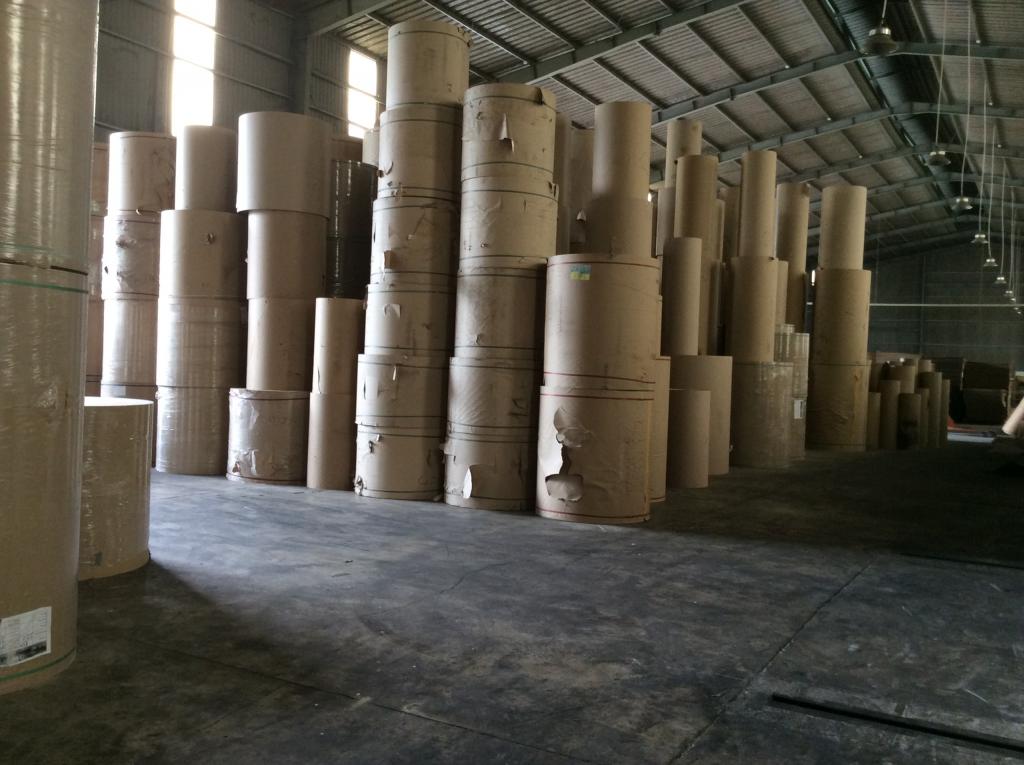
    United States Carbonless Copy Paper market demonstrates steady resilience in an increasingly digital business environment, with its valuation reaching USD 312.6 million in 2024. According to comprehensive industry analysis, the market is projected to grow at a CAGR of 2.2%, reaching approximately USD 356.4 million by 2030.

    Download FREE Sample Report: https://www.24chemicalresearch.com/download-sample/280354/united-states-carbonless-copy-paper-market-2024-2030-153
    United States Carbonless Copy Paper Market Forecast 2034: Innovation and Niche Applications Support Industry Growth United States Carbonless Copy Paper market demonstrates steady resilience in an increasingly digital business environment, with its valuation reaching USD 312.6 million in 2024. According to comprehensive industry analysis, the market is projected to grow at a CAGR of 2.2%, reaching approximately USD 356.4 million by 2030. Download FREE Sample Report: https://www.24chemicalresearch.com/download-sample/280354/united-states-carbonless-copy-paper-market-2024-2030-153
    Sample Report: United States Carbonless Copy Paper Market Research Report 2026-2033
    Download Sample Report PDF : US Carbonless Copy Paper market was valued at USD 312.6M in 2024, projected to reach USD 356.4M by 2030, growing at 2.2% CAGR.
    0 Комментарии 0 Поделились 64 Просмотры
  • Bakery Enzymes Market Dynamics Emerging Trends Shaping Global Baking Industry Growth Outlook Analysis
    Introduction

    In recent years, the global baking industry has witnessed significant transformation driven by ingredient innovation and growing demand for clean-label solutions. The Bakery Enzymes Market Dynamics has evolved as manufacturers increasingly adopt biological processing aids to improve dough handling, product consistency, and shelf life without relying heavily on chemical additives. These naturally derived catalysts are becoming essential in modern bakery formulations, helping producers meet consumer expectations for healthier and more natural food products. As industrial baking scales expand, the role of functional ingredients such as enzymes has become more critical in maintaining efficiency and quality across diverse product lines.

    Key Market Drivers

    One of the primary forces driving growth in bakery enzymes adoption is the rising consumer preference for clean-label and minimally processed foods. Consumers today are more aware of ingredient lists and actively avoid artificial additives, pushing bakeries to shift toward natural alternatives. Enzymes offer a practical solution by enhancing dough strength, improving volume, and extending freshness without altering taste or nutritional value.

    Another major driver is the expansion of the global bakery industry, particularly in urban regions where ready-to-eat and convenience foods are in high demand. Large-scale production facilities require consistent quality and cost-effective solutions, which enzyme-based formulations readily provide. Additionally, increasing competition among bakery manufacturers has encouraged product differentiation through texture improvement and longer shelf stability, further boosting enzyme usage.

    Technological Advancements and Innovation

    Innovation in enzyme technology has significantly improved the performance and specificity of baking solutions. Modern formulations are engineered to target specific flour properties, enabling precise control over dough behavior during mixing, fermentation, and baking stages. This precision allows bakers to optimize production processes while reducing waste and improving yield.

    Advancements in biotechnology have also enabled the development of heat-stable and pH-resistant enzymes, making them suitable for a wide range of baking conditions. Furthermore, enzyme blends are now being customized for different bakery applications such as bread, pastries, and gluten-free products. These innovations are helping manufacturers meet diverse consumer needs while maintaining consistent product quality.

    Challenges in the Market

    Despite their advantages, bakery enzymes face certain challenges that can impact adoption rates. One of the key issues is the complexity of formulation, as enzymes require precise conditions to function effectively. Variations in raw materials such as flour quality, moisture content, and processing temperatures can influence enzyme performance, leading to inconsistent results if not properly managed.

    Another challenge is the lack of awareness among small and medium-sized bakeries regarding enzyme benefits and usage techniques. Limited technical expertise can hinder proper implementation, reducing their potential advantages. Additionally, regulatory differences across regions regarding food processing aids can create barriers for global standardization and product development.


    Application Areas

    Bakery enzymes are widely used across multiple product categories, including bread, cakes, pastries, biscuits, and frozen dough products. In bread production, they enhance dough elasticity, improve crumb structure, and extend freshness. In cakes and pastries, enzymes contribute to better volume, softness, and texture uniformity.

    The frozen bakery segment particularly benefits from enzyme applications, as they help maintain dough stability during freezing and thawing cycles. This ensures consistent product quality even after extended storage periods. Gluten-free baking is another growing area where enzymes play a crucial role in replicating texture and elasticity typically provided by gluten proteins.


    Future Outlook

    The future of bakery enzyme adoption appears promising as consumer demand for healthier, sustainable, and clean-label products continues to rise. Ongoing research in enzyme engineering is expected to produce more efficient and targeted solutions tailored to specific baking needs. Sustainability trends will further encourage the use of biological ingredients that reduce environmental impact and food waste.
    Learn more about - https://www.pristinemarketinsights.com/bakery-enzymes-market-report
    Bakery Enzymes Market Dynamics Emerging Trends Shaping Global Baking Industry Growth Outlook Analysis Introduction In recent years, the global baking industry has witnessed significant transformation driven by ingredient innovation and growing demand for clean-label solutions. The Bakery Enzymes Market Dynamics has evolved as manufacturers increasingly adopt biological processing aids to improve dough handling, product consistency, and shelf life without relying heavily on chemical additives. These naturally derived catalysts are becoming essential in modern bakery formulations, helping producers meet consumer expectations for healthier and more natural food products. As industrial baking scales expand, the role of functional ingredients such as enzymes has become more critical in maintaining efficiency and quality across diverse product lines. Key Market Drivers One of the primary forces driving growth in bakery enzymes adoption is the rising consumer preference for clean-label and minimally processed foods. Consumers today are more aware of ingredient lists and actively avoid artificial additives, pushing bakeries to shift toward natural alternatives. Enzymes offer a practical solution by enhancing dough strength, improving volume, and extending freshness without altering taste or nutritional value. Another major driver is the expansion of the global bakery industry, particularly in urban regions where ready-to-eat and convenience foods are in high demand. Large-scale production facilities require consistent quality and cost-effective solutions, which enzyme-based formulations readily provide. Additionally, increasing competition among bakery manufacturers has encouraged product differentiation through texture improvement and longer shelf stability, further boosting enzyme usage. Technological Advancements and Innovation Innovation in enzyme technology has significantly improved the performance and specificity of baking solutions. Modern formulations are engineered to target specific flour properties, enabling precise control over dough behavior during mixing, fermentation, and baking stages. This precision allows bakers to optimize production processes while reducing waste and improving yield. Advancements in biotechnology have also enabled the development of heat-stable and pH-resistant enzymes, making them suitable for a wide range of baking conditions. Furthermore, enzyme blends are now being customized for different bakery applications such as bread, pastries, and gluten-free products. These innovations are helping manufacturers meet diverse consumer needs while maintaining consistent product quality. Challenges in the Market Despite their advantages, bakery enzymes face certain challenges that can impact adoption rates. One of the key issues is the complexity of formulation, as enzymes require precise conditions to function effectively. Variations in raw materials such as flour quality, moisture content, and processing temperatures can influence enzyme performance, leading to inconsistent results if not properly managed. Another challenge is the lack of awareness among small and medium-sized bakeries regarding enzyme benefits and usage techniques. Limited technical expertise can hinder proper implementation, reducing their potential advantages. Additionally, regulatory differences across regions regarding food processing aids can create barriers for global standardization and product development. Application Areas Bakery enzymes are widely used across multiple product categories, including bread, cakes, pastries, biscuits, and frozen dough products. In bread production, they enhance dough elasticity, improve crumb structure, and extend freshness. In cakes and pastries, enzymes contribute to better volume, softness, and texture uniformity. The frozen bakery segment particularly benefits from enzyme applications, as they help maintain dough stability during freezing and thawing cycles. This ensures consistent product quality even after extended storage periods. Gluten-free baking is another growing area where enzymes play a crucial role in replicating texture and elasticity typically provided by gluten proteins. Future Outlook The future of bakery enzyme adoption appears promising as consumer demand for healthier, sustainable, and clean-label products continues to rise. Ongoing research in enzyme engineering is expected to produce more efficient and targeted solutions tailored to specific baking needs. Sustainability trends will further encourage the use of biological ingredients that reduce environmental impact and food waste. Learn more about - https://www.pristinemarketinsights.com/bakery-enzymes-market-report
    0 Комментарии 0 Поделились 204 Просмотры
  • Electrolyzer Market Estimated to Experience a Hike in Growth by 2035
    This report presents a detailed, data-driven analysis of the global Electrolyzer Market size, offering insights into historical performance, current dynamics, and projections from 2025 to 2035. With a strong emphasis on factual assessment, the report refrains from speculative assumptions and aims to support business decisions through accurate forecasting and strategic intelligence.

    I recently came across a report by Roots Analysis that really put things into perspective. According to them, According to the global electrolyzers market size forecast, the market is projected to grow from USD 1.24 billion in 2025 to USD 10.89 billion by 2035, representing a CAGR of 24.31%, during the forecast period 2025-2035.

    Market Segmentation

    - Historical Trend: Since 2020
    - Forecast Period: 2025-2035
    - Market Size Value in 2025: $ 1.24 Billion
    - Market Size Value by 2035: $ 10.89 Billion
    - CAGR (Till 2035): 24.31%
    - Type of Electrolyzers
    • Alkaline Electrolyzer
    • PEM Electrolyzer
    • Solid Oxide Electrolyzer
    • Traditional Alkaline Electrolyzer
    - Areas of Application
    • Energy Storage or Fueling for FCEVs
    • Electronics & Photovoltaics
    • Industrial Gases
    • Power Plants
    • Power to Gas
    • Steel Plant
    • Others
    - Type of Capacity
    • 500 kW to 2 MW
    • Less than 500 kW
    • More than 2 MW
    - Company Size
    • Large Enterprises
    • Small and Medium Enterprises
    - Geographical Regions
    • North America
    ◦ US
    ◦ Canada
    ◦ Mexico
    ◦ Other North American countries
    • Europe
    ◦ Austria
    ◦ Belgium
    ◦ Denmark
    ◦ France
    ◦ Germany
    ◦ Ireland
    ◦ Italy
    ◦ Netherlands
    ◦ Norway
    ◦ Russia
    ◦ Spain
    ◦ Sweden
    ◦ Switzerland
    ◦ UK
    ◦ Other European countries
    • Asia
    ◦ China
    ◦ India
    ◦ Japan
    ◦ Singapore
    ◦ South Korea
    ◦ Other Asian countries
    • Latin America
    ◦ Brazil
    ◦ Chile
    ◦ Colombia
    ◦ Venezuela
    ◦ Other Latin American countries
    • Middle East and North Africa
    ◦ Egypt
    ◦ Iran
    ◦ Iraq
    ◦ Israel
    ◦ Kuwait
    ◦ Saudi Arabia
    ◦ UAE
    ◦ Other MENA countries
    • Rest of the World
    ◦ Australia
    ◦ New Zealand
    ◦ Other countries
    - Leading Market Players
    • ACME
    • Air Liquide
    • Asahi Kasei
    • Bloom Energy
    • Ballard Power
    • Cummins
    • Electric Hydrogen
    • Enapter
    • ErreDue
    • First Hydrogen
    • Green Hydrogen Systems
    • H-Tec Systems
    • Hydrogenics
    • Iberdrola
    • ITM Power
    • Kobelco Eco-Solutions
    • Linde
    • McPhy Energy
    • Mitsubishi Power
    • Nel ASA
    • Nel Hydrogen
    • Next Hydrogen
    • Plug Power
    • Platinum Equity
    • Shandong Saikesaisi Hydrogen Energy
    • Siemens
    • SiClean Energy
    • Sunfire
    • Teledyne Energy Systems
    • Toshiba
    • thyssenkrupp
    - PowerPoint Presentation(Complimentary): Available
    - Customization Scope: 15% Free Customization
    - Excel Data Packs(Complimentary)
    • Competitive Landscape
    • Company Competitive Analysis
    • Patent Analysis
    • Funding Analysis
    • Recent Developments
    • Market Forecast and Opportunity Analysis


    Read More: https://www.rootsanalysis.com/electrolyzer-market

    Key Geographies

    North America
    Europe
    Asia-Pacific
    Middle East and North Africa
    Latin America
    Each segment is analyzed by volume, value, and growth patterns, offering a comparative understanding of usage trends and market opportunities.

    Electrolyzers Market Share Insights
    ▪ Electrolyzers Market: Report Attributes / Market Segmentations


    Analytical Insights Covered

    ▪ Competitive Landscape
    ▪ Company Competitive Analysis
    ▪ Patent Analysis
    ▪ Funding Analysis
    ▪ Recent Developments
    ▪ Market Forecast and Opportunity Analysis


    Key Players Include:

    Andermatt
    Bayer
    BioSafe Systems
    Certis Biologicals
    Corteva Agriscience
    Novozymes
    Nutri-Tech Solutions
    ProFarm
    Syngenta
    Valent Biosciences
    These companies are assessed based on their contributions to market share, innovation, and responsiveness to global and regional demand shifts.

    Regional Insights

    Each region is evaluated based on:

    Historical market trends and sales data
    Regulatory frameworks
    Product availability and distribution strength
    Emerging opportunities and constraints
    Comparative regional analysis enables better targeting of expansion strategies and investment planning.

    Supply Chain & Operational Overview

    This section covers:

    Pricing structures
    Distribution channels
    Manufacturing capabilities
    Cost breakdowns and logistics trends
    Understanding operational flows adds value to strategic sourcing and capacity expansion discussions.

    Research Methodology

    This report is developed using a combination of:

    Primary research: Expert interviews, corporate disclosures
    Secondary research: Company websites, public filings, databases, and published literature
    All data points were reviewed for consistency, ensuring neutrality, reliability, and practical relevance for stakeholders and strategic planners.

    Conclusion and Customization

    This Electrolyzer Market report serves as a foundational reference for:

    Market entry and expansion strategies
    Product development roadmaps
    Investment decision-making
    For custom data slices or tailored analysis by geography, product, or competitor, please contact [email protected].

    Electrolyzer Market Estimated to Experience a Hike in Growth by 2035 This report presents a detailed, data-driven analysis of the global Electrolyzer Market size, offering insights into historical performance, current dynamics, and projections from 2025 to 2035. With a strong emphasis on factual assessment, the report refrains from speculative assumptions and aims to support business decisions through accurate forecasting and strategic intelligence. I recently came across a report by Roots Analysis that really put things into perspective. According to them, According to the global electrolyzers market size forecast, the market is projected to grow from USD 1.24 billion in 2025 to USD 10.89 billion by 2035, representing a CAGR of 24.31%, during the forecast period 2025-2035. Market Segmentation - Historical Trend: Since 2020 - Forecast Period: 2025-2035 - Market Size Value in 2025: $ 1.24 Billion - Market Size Value by 2035: $ 10.89 Billion - CAGR (Till 2035): 24.31% - Type of Electrolyzers • Alkaline Electrolyzer • PEM Electrolyzer • Solid Oxide Electrolyzer • Traditional Alkaline Electrolyzer - Areas of Application • Energy Storage or Fueling for FCEVs • Electronics & Photovoltaics • Industrial Gases • Power Plants • Power to Gas • Steel Plant • Others - Type of Capacity • 500 kW to 2 MW • Less than 500 kW • More than 2 MW - Company Size • Large Enterprises • Small and Medium Enterprises - Geographical Regions • North America ◦ US ◦ Canada ◦ Mexico ◦ Other North American countries • Europe ◦ Austria ◦ Belgium ◦ Denmark ◦ France ◦ Germany ◦ Ireland ◦ Italy ◦ Netherlands ◦ Norway ◦ Russia ◦ Spain ◦ Sweden ◦ Switzerland ◦ UK ◦ Other European countries • Asia ◦ China ◦ India ◦ Japan ◦ Singapore ◦ South Korea ◦ Other Asian countries • Latin America ◦ Brazil ◦ Chile ◦ Colombia ◦ Venezuela ◦ Other Latin American countries • Middle East and North Africa ◦ Egypt ◦ Iran ◦ Iraq ◦ Israel ◦ Kuwait ◦ Saudi Arabia ◦ UAE ◦ Other MENA countries • Rest of the World ◦ Australia ◦ New Zealand ◦ Other countries - Leading Market Players • ACME • Air Liquide • Asahi Kasei • Bloom Energy • Ballard Power • Cummins • Electric Hydrogen • Enapter • ErreDue • First Hydrogen • Green Hydrogen Systems • H-Tec Systems • Hydrogenics • Iberdrola • ITM Power • Kobelco Eco-Solutions • Linde • McPhy Energy • Mitsubishi Power • Nel ASA • Nel Hydrogen • Next Hydrogen • Plug Power • Platinum Equity • Shandong Saikesaisi Hydrogen Energy • Siemens • SiClean Energy • Sunfire • Teledyne Energy Systems • Toshiba • thyssenkrupp - PowerPoint Presentation(Complimentary): Available - Customization Scope: 15% Free Customization - Excel Data Packs(Complimentary) • Competitive Landscape • Company Competitive Analysis • Patent Analysis • Funding Analysis • Recent Developments • Market Forecast and Opportunity Analysis Read More: https://www.rootsanalysis.com/electrolyzer-market Key Geographies North America Europe Asia-Pacific Middle East and North Africa Latin America Each segment is analyzed by volume, value, and growth patterns, offering a comparative understanding of usage trends and market opportunities. Electrolyzers Market Share Insights ▪ Electrolyzers Market: Report Attributes / Market Segmentations Analytical Insights Covered ▪ Competitive Landscape ▪ Company Competitive Analysis ▪ Patent Analysis ▪ Funding Analysis ▪ Recent Developments ▪ Market Forecast and Opportunity Analysis Key Players Include: Andermatt Bayer BioSafe Systems Certis Biologicals Corteva Agriscience Novozymes Nutri-Tech Solutions ProFarm Syngenta Valent Biosciences These companies are assessed based on their contributions to market share, innovation, and responsiveness to global and regional demand shifts. Regional Insights Each region is evaluated based on: Historical market trends and sales data Regulatory frameworks Product availability and distribution strength Emerging opportunities and constraints Comparative regional analysis enables better targeting of expansion strategies and investment planning. Supply Chain & Operational Overview This section covers: Pricing structures Distribution channels Manufacturing capabilities Cost breakdowns and logistics trends Understanding operational flows adds value to strategic sourcing and capacity expansion discussions. Research Methodology This report is developed using a combination of: Primary research: Expert interviews, corporate disclosures Secondary research: Company websites, public filings, databases, and published literature All data points were reviewed for consistency, ensuring neutrality, reliability, and practical relevance for stakeholders and strategic planners. Conclusion and Customization This Electrolyzer Market report serves as a foundational reference for: Market entry and expansion strategies Product development roadmaps Investment decision-making For custom data slices or tailored analysis by geography, product, or competitor, please contact [email protected].
    0 Комментарии 0 Поделились 309 Просмотры
  • Fruit Wine Market Forecast Driving Premium Beverage Innovation And Expanding Global Consumer Demand

    The global fruit wine industry is witnessing strong momentum as consumers increasingly seek unique alcoholic beverages with natural flavors and lower alcohol content. Changing lifestyle preferences, rising disposable incomes, and growing awareness of artisanal drinks are accelerating the expansion of this sector across developed and emerging economies. The market is also benefiting from innovations in fermentation techniques and the growing popularity of fruit-based beverages among younger consumers.

    Market Dynamics

    The demand for fruit wine continues to rise because consumers are shifting toward flavorful and healthier alternatives to traditional alcoholic drinks. Producers are introducing beverages made from berries, apples, peaches, plums, and tropical fruits to attract diverse consumer groups. Increasing urbanization and evolving social drinking cultures are also contributing to higher consumption rates.

    In addition, premiumization trends are encouraging manufacturers to focus on quality ingredients and sophisticated packaging. Restaurants, bars, and retail chains are expanding their offerings of specialty fruit wines, which is further supporting market growth. Seasonal flavors and limited-edition products are also creating excitement among consumers and enhancing brand visibility.

    Consumer Preferences

    Modern consumers are showing strong interest in beverages that combine taste with authenticity. Fruit wines appeal to health-conscious individuals because they are often perceived as lighter and more natural compared to conventional alcoholic beverages. Millennials and younger adults, in particular, are driving demand for experimental flavors and craft beverage experiences.

    The rising popularity of vegan and organic beverages is another important factor influencing purchasing decisions. Producers are responding by launching organic fruit wine collections that use sustainable farming practices and natural fermentation processes. This trend is expected to strengthen brand loyalty and encourage repeat purchases.

    Regional Growth

    North America and Europe currently represent significant markets due to established wine cultures and increasing interest in specialty alcoholic beverages. Consumers in these regions are willing to spend more on premium and imported fruit wines, supporting revenue growth for both domestic and international producers.

    Meanwhile, the Asia-Pacific region is emerging as a highly attractive market due to rising disposable incomes, expanding urban populations, and changing consumer lifestyles. Countries with strong agricultural production are also benefiting from the easy availability of fruits required for wine manufacturing. Local wineries are gaining popularity by offering region-specific flavors and innovative blends.

    Innovation and Product Development

    Technological advancements in fermentation and preservation methods are improving the quality and shelf life of fruit wines. Manufacturers are experimenting with exotic fruits and hybrid flavors to differentiate their products in a competitive marketplace. Sparkling fruit wines and low-sugar variants are also becoming increasingly popular among health-focused consumers.

    E-commerce platforms are playing a crucial role in expanding accessibility and consumer reach. Online retail channels allow wineries to market directly to customers, showcase premium collections, and offer personalized purchasing experiences. Digital marketing campaigns and social media promotions are further helping brands engage with younger demographics.

    The Fruit Wine Market Forecast indicates that product innovation and expanding distribution networks will remain key growth drivers over the coming years. Strategic collaborations between wineries, hospitality businesses, and retail chains are expected to create additional revenue opportunities for industry participants.
    Learn more about - https://www.pristinemarketinsights.com/fruit-wine-market-report
    Fruit Wine Market Forecast Driving Premium Beverage Innovation And Expanding Global Consumer Demand The global fruit wine industry is witnessing strong momentum as consumers increasingly seek unique alcoholic beverages with natural flavors and lower alcohol content. Changing lifestyle preferences, rising disposable incomes, and growing awareness of artisanal drinks are accelerating the expansion of this sector across developed and emerging economies. The market is also benefiting from innovations in fermentation techniques and the growing popularity of fruit-based beverages among younger consumers. Market Dynamics The demand for fruit wine continues to rise because consumers are shifting toward flavorful and healthier alternatives to traditional alcoholic drinks. Producers are introducing beverages made from berries, apples, peaches, plums, and tropical fruits to attract diverse consumer groups. Increasing urbanization and evolving social drinking cultures are also contributing to higher consumption rates. In addition, premiumization trends are encouraging manufacturers to focus on quality ingredients and sophisticated packaging. Restaurants, bars, and retail chains are expanding their offerings of specialty fruit wines, which is further supporting market growth. Seasonal flavors and limited-edition products are also creating excitement among consumers and enhancing brand visibility. Consumer Preferences Modern consumers are showing strong interest in beverages that combine taste with authenticity. Fruit wines appeal to health-conscious individuals because they are often perceived as lighter and more natural compared to conventional alcoholic beverages. Millennials and younger adults, in particular, are driving demand for experimental flavors and craft beverage experiences. The rising popularity of vegan and organic beverages is another important factor influencing purchasing decisions. Producers are responding by launching organic fruit wine collections that use sustainable farming practices and natural fermentation processes. This trend is expected to strengthen brand loyalty and encourage repeat purchases. Regional Growth North America and Europe currently represent significant markets due to established wine cultures and increasing interest in specialty alcoholic beverages. Consumers in these regions are willing to spend more on premium and imported fruit wines, supporting revenue growth for both domestic and international producers. Meanwhile, the Asia-Pacific region is emerging as a highly attractive market due to rising disposable incomes, expanding urban populations, and changing consumer lifestyles. Countries with strong agricultural production are also benefiting from the easy availability of fruits required for wine manufacturing. Local wineries are gaining popularity by offering region-specific flavors and innovative blends. Innovation and Product Development Technological advancements in fermentation and preservation methods are improving the quality and shelf life of fruit wines. Manufacturers are experimenting with exotic fruits and hybrid flavors to differentiate their products in a competitive marketplace. Sparkling fruit wines and low-sugar variants are also becoming increasingly popular among health-focused consumers. E-commerce platforms are playing a crucial role in expanding accessibility and consumer reach. Online retail channels allow wineries to market directly to customers, showcase premium collections, and offer personalized purchasing experiences. Digital marketing campaigns and social media promotions are further helping brands engage with younger demographics. The Fruit Wine Market Forecast indicates that product innovation and expanding distribution networks will remain key growth drivers over the coming years. Strategic collaborations between wineries, hospitality businesses, and retail chains are expected to create additional revenue opportunities for industry participants. Learn more about - https://www.pristinemarketinsights.com/fruit-wine-market-report
    0 Комментарии 0 Поделились 253 Просмотры
  • The Lifesciences Magazine is a global healthcare solutions platform that paves the way for various healthcare innovations, expert advice, and the success stories of professionals in the field who are driving transformation with their innovative thinking.
    Visit: https://thelifesciencesmagazine.com/
    The Lifesciences Magazine is a global healthcare solutions platform that paves the way for various healthcare innovations, expert advice, and the success stories of professionals in the field who are driving transformation with their innovative thinking. Visit: https://thelifesciencesmagazine.com/
    THELIFESCIENCESMAGAZINE.COM
    Home
    The Lifesciences Magazine is a global healthcare solutions platform that paves the way for various healthcare innovation, expert advice, success stories.
    0 Комментарии 0 Поделились 112 Просмотры
  • Alkyl Polyglucosides Market Growth Challenges Hindering Scale-Up, Cost Reduction, and Global Market Expansion

    The Alkyl Polyglucosides Market Growth Challenges refer to the key structural, economic, technological, and supply-side obstacles that slow down the expansion of APGs despite rising demand for sustainable and bio-based surfactants. Alkyl Polyglucosides (APGs) are non-ionic surfactants derived from renewable raw materials such as glucose and fatty alcohols, valued for their biodegradability, low toxicity, mildness, and environmentally friendly profile. They are widely used in personal care, home care, industrial cleaning, and agricultural applications, but their growth trajectory is influenced by several persistent challenges.

    High Production Costs Restricting Market Expansion

    One of the primary growth challenges is the high cost of production. APG manufacturing involves renewable feedstocks and controlled synthesis processes that require advanced infrastructure and precise operational control.

    Compared to conventional petroleum-based surfactants, APGs remain significantly more expensive. This cost gap limits their adoption in mass-market and price-sensitive applications, slowing overall market growth.

    Scalability Constraints in Manufacturing

    Another major challenge is limited scalability of production processes. APG synthesis requires strict control of reaction conditions, purification stages, and raw material consistency.

    Scaling up production without compromising quality or performance consistency remains difficult for many manufacturers, especially in regions with limited technological infrastructure. This restricts the ability to meet rising global demand efficiently.

    Raw Material Availability and Price Volatility

    APG production depends on agricultural-based inputs such as glucose and fatty alcohols derived from natural oils. These raw materials are subject to seasonal fluctuations, climate variability, and global commodity price changes.

    Such instability affects production planning, increases cost uncertainty, and creates challenges in maintaining stable supply chains, directly impacting market growth potential.

    Performance Limitations in High-Intensity Applications

    Although APGs perform well in mild cleansing and personal care formulations, they face performance challenges in heavy-duty industrial applications.

    In many cases, APGs must be combined with other surfactants to achieve required levels of foaming, emulsification, or degreasing efficiency. This limits their ability to replace conventional surfactants in high-performance use cases.

    Strong Competition from Established Surfactants

    The APG market faces intense competition from low-cost synthetic surfactants, which are widely used due to their affordability, scalability, and well-established supply chains.

    These conventional alternatives continue to dominate in large-volume applications, making it difficult for APGs to gain significant market share despite their environmental advantages.

    Formulation Complexity for Manufacturers

    Integrating APGs into existing product formulations presents a challenge for manufacturers. Achieving optimal performance often requires careful balancing with other surfactants and additives.

    This increases formulation complexity, testing requirements, and development time, which slows product innovation cycles and commercialization speed.

    Infrastructure Gaps in Emerging Markets

    In many developing regions, limited chemical manufacturing infrastructure restricts large-scale APG production. The lack of advanced processing equipment, automation, and quality control systems reduces production efficiency.

    These infrastructure gaps make it difficult to expand production capacity and meet growing global demand.

    Limited Price Competitiveness in Developing Economies

    Price sensitivity remains a major growth challenge in emerging markets. Consumers and manufacturers in these regions often prioritize cost over environmental benefits.

    As a result, APGs struggle to compete with cheaper conventional surfactants, limiting penetration in high-volume applications.
    Learn more- https://www.pristinemarketinsights.com/alkyl-polyglucosides-market-report
    Alkyl Polyglucosides Market Growth Challenges Hindering Scale-Up, Cost Reduction, and Global Market Expansion The Alkyl Polyglucosides Market Growth Challenges refer to the key structural, economic, technological, and supply-side obstacles that slow down the expansion of APGs despite rising demand for sustainable and bio-based surfactants. Alkyl Polyglucosides (APGs) are non-ionic surfactants derived from renewable raw materials such as glucose and fatty alcohols, valued for their biodegradability, low toxicity, mildness, and environmentally friendly profile. They are widely used in personal care, home care, industrial cleaning, and agricultural applications, but their growth trajectory is influenced by several persistent challenges. High Production Costs Restricting Market Expansion One of the primary growth challenges is the high cost of production. APG manufacturing involves renewable feedstocks and controlled synthesis processes that require advanced infrastructure and precise operational control. Compared to conventional petroleum-based surfactants, APGs remain significantly more expensive. This cost gap limits their adoption in mass-market and price-sensitive applications, slowing overall market growth. Scalability Constraints in Manufacturing Another major challenge is limited scalability of production processes. APG synthesis requires strict control of reaction conditions, purification stages, and raw material consistency. Scaling up production without compromising quality or performance consistency remains difficult for many manufacturers, especially in regions with limited technological infrastructure. This restricts the ability to meet rising global demand efficiently. Raw Material Availability and Price Volatility APG production depends on agricultural-based inputs such as glucose and fatty alcohols derived from natural oils. These raw materials are subject to seasonal fluctuations, climate variability, and global commodity price changes. Such instability affects production planning, increases cost uncertainty, and creates challenges in maintaining stable supply chains, directly impacting market growth potential. Performance Limitations in High-Intensity Applications Although APGs perform well in mild cleansing and personal care formulations, they face performance challenges in heavy-duty industrial applications. In many cases, APGs must be combined with other surfactants to achieve required levels of foaming, emulsification, or degreasing efficiency. This limits their ability to replace conventional surfactants in high-performance use cases. Strong Competition from Established Surfactants The APG market faces intense competition from low-cost synthetic surfactants, which are widely used due to their affordability, scalability, and well-established supply chains. These conventional alternatives continue to dominate in large-volume applications, making it difficult for APGs to gain significant market share despite their environmental advantages. Formulation Complexity for Manufacturers Integrating APGs into existing product formulations presents a challenge for manufacturers. Achieving optimal performance often requires careful balancing with other surfactants and additives. This increases formulation complexity, testing requirements, and development time, which slows product innovation cycles and commercialization speed. Infrastructure Gaps in Emerging Markets In many developing regions, limited chemical manufacturing infrastructure restricts large-scale APG production. The lack of advanced processing equipment, automation, and quality control systems reduces production efficiency. These infrastructure gaps make it difficult to expand production capacity and meet growing global demand. Limited Price Competitiveness in Developing Economies Price sensitivity remains a major growth challenge in emerging markets. Consumers and manufacturers in these regions often prioritize cost over environmental benefits. As a result, APGs struggle to compete with cheaper conventional surfactants, limiting penetration in high-volume applications. Learn more- https://www.pristinemarketinsights.com/alkyl-polyglucosides-market-report
    0 Комментарии 0 Поделились 540 Просмотры
  • Choose Nippon Koei India for Top Engineering Consultants In India
    Reliable engineering expertise is essential for successful infrastructure projects. Nippon Koei India is recognized among Top Engineering Consultants In India, delivering professional solutions in transportation, water management, environmental engineering, and urban infrastructure with a focus on innovation and sustainability.

    Visit us : https://www.nkindia.in/

    Choose Nippon Koei India for Top Engineering Consultants In India Reliable engineering expertise is essential for successful infrastructure projects. Nippon Koei India is recognized among Top Engineering Consultants In India, delivering professional solutions in transportation, water management, environmental engineering, and urban infrastructure with a focus on innovation and sustainability. Visit us : https://www.nkindia.in/
    0 Комментарии 0 Поделились 143 Просмотры
  • Fruit Smoothies Market Forecast Global Trends Growth Drivers And Future Opportunities Analysis Outlook

    Introduction

    The global beverage industry is witnessing a steady transformation driven by health-conscious consumers and changing dietary preferences. Among the rapidly expanding segments, fruit-based beverages are gaining significant traction due to their perceived nutritional value, convenience, and refreshing taste. The rising inclination toward natural ingredients and clean-label products is reshaping consumption patterns across urban and semi-urban populations.

    Market Overview

    The fruit smoothies segment has evolved from being a niche café offering to a mainstream packaged beverage category. Increasing awareness of wellness and fitness has encouraged consumers to replace carbonated drinks with healthier alternatives. Retail expansion, improved cold-chain logistics, and innovative packaging have further supported market accessibility and product shelf life. Manufacturers are also experimenting with exotic fruit blends, plant-based add-ons, and functional ingredients like protein and probiotics.

    Growth Drivers

    Several factors are contributing to the strong momentum of the market. First, the growing demand for on-the-go nutrition has made smoothies a preferred choice among working professionals and students. Second, the rising popularity of vegan and plant-based diets has amplified consumption of fruit-based beverages. Third, social media influence and lifestyle marketing have positioned smoothies as a trendy and aspirational product.

    Urbanization has also played a key role in boosting demand. Busy lifestyles have reduced home-prepared meal consumption, increasing reliance on ready-to-drink nutritious alternatives. Additionally, the expansion of health-focused cafés, juice bars, and quick-service restaurants has enhanced product visibility.

    Consumer Preferences

    Modern consumers are highly selective about ingredients and nutritional value. There is a noticeable shift toward low-sugar, organic, and preservative-free smoothies. Tropical and berry-based flavors remain the most popular, while combinations involving superfruits such as acai, mango, blueberry, and banana are witnessing rising interest. Texture, freshness, and natural sweetness are critical purchasing factors influencing repeat consumption.

    Product Innovation

    Innovation remains a cornerstone of industry growth. Companies are introducing fortified smoothies enriched with vitamins, minerals, and dietary fibers. Functional beverages targeting immunity, digestion, and energy enhancement are gaining traction. Packaging innovations such as resealable bottles and eco-friendly materials are also becoming more common as sustainability concerns grow.

    Blending technology and cold-pressed extraction methods have improved product quality and extended shelf life without compromising nutritional value. Additionally, the integration of AI-driven flavor profiling is helping manufacturers align products with evolving consumer preferences.

    Market Challenges

    Despite its strong growth trajectory, the market faces certain challenges. High production and storage costs associated with fresh fruit ingredients can impact pricing strategies. Seasonal availability of fruits can also create supply chain inconsistencies. Moreover, competition from alternative healthy beverages such as green juices, protein shakes, and functional waters adds pressure on market expansion.

    Regional Insights

    The demand for fruit smoothies is particularly strong in urban regions where health awareness is higher. Developed economies continue to dominate consumption due to established retail infrastructure and higher disposable incomes. Meanwhile, emerging economies are experiencing rapid growth driven by changing lifestyles and increased exposure to global food trends.

    Fruit Smoothies Market Forecast

    The Fruit Smoothies Market Forecast indicates sustained expansion over the coming years, driven by continuous product innovation, rising health awareness, and increasing penetration of retail and foodservice channels. The market is expected to benefit from the growing preference for natural beverages and expanding consumer base across all age groups. Companies focusing on clean-label formulations, sustainable packaging, and functional benefits are likely to gain a competitive edge.

    Future Opportunities

    Future growth opportunities lie in personalization and functional nutrition. Customized smoothie blends tailored to individual dietary needs could become a major trend. Expansion into online delivery platforms and subscription-based smoothie kits is also expected to enhance market reach. Furthermore, integration of superfood ingredients and herbal extracts will likely open new avenues for product differentiation.
    Learn more about - https://www.pristinemarketinsights.com/fruit-smoothies-market-report
    Fruit Smoothies Market Forecast Global Trends Growth Drivers And Future Opportunities Analysis Outlook Introduction The global beverage industry is witnessing a steady transformation driven by health-conscious consumers and changing dietary preferences. Among the rapidly expanding segments, fruit-based beverages are gaining significant traction due to their perceived nutritional value, convenience, and refreshing taste. The rising inclination toward natural ingredients and clean-label products is reshaping consumption patterns across urban and semi-urban populations. Market Overview The fruit smoothies segment has evolved from being a niche café offering to a mainstream packaged beverage category. Increasing awareness of wellness and fitness has encouraged consumers to replace carbonated drinks with healthier alternatives. Retail expansion, improved cold-chain logistics, and innovative packaging have further supported market accessibility and product shelf life. Manufacturers are also experimenting with exotic fruit blends, plant-based add-ons, and functional ingredients like protein and probiotics. Growth Drivers Several factors are contributing to the strong momentum of the market. First, the growing demand for on-the-go nutrition has made smoothies a preferred choice among working professionals and students. Second, the rising popularity of vegan and plant-based diets has amplified consumption of fruit-based beverages. Third, social media influence and lifestyle marketing have positioned smoothies as a trendy and aspirational product. Urbanization has also played a key role in boosting demand. Busy lifestyles have reduced home-prepared meal consumption, increasing reliance on ready-to-drink nutritious alternatives. Additionally, the expansion of health-focused cafés, juice bars, and quick-service restaurants has enhanced product visibility. Consumer Preferences Modern consumers are highly selective about ingredients and nutritional value. There is a noticeable shift toward low-sugar, organic, and preservative-free smoothies. Tropical and berry-based flavors remain the most popular, while combinations involving superfruits such as acai, mango, blueberry, and banana are witnessing rising interest. Texture, freshness, and natural sweetness are critical purchasing factors influencing repeat consumption. Product Innovation Innovation remains a cornerstone of industry growth. Companies are introducing fortified smoothies enriched with vitamins, minerals, and dietary fibers. Functional beverages targeting immunity, digestion, and energy enhancement are gaining traction. Packaging innovations such as resealable bottles and eco-friendly materials are also becoming more common as sustainability concerns grow. Blending technology and cold-pressed extraction methods have improved product quality and extended shelf life without compromising nutritional value. Additionally, the integration of AI-driven flavor profiling is helping manufacturers align products with evolving consumer preferences. Market Challenges Despite its strong growth trajectory, the market faces certain challenges. High production and storage costs associated with fresh fruit ingredients can impact pricing strategies. Seasonal availability of fruits can also create supply chain inconsistencies. Moreover, competition from alternative healthy beverages such as green juices, protein shakes, and functional waters adds pressure on market expansion. Regional Insights The demand for fruit smoothies is particularly strong in urban regions where health awareness is higher. Developed economies continue to dominate consumption due to established retail infrastructure and higher disposable incomes. Meanwhile, emerging economies are experiencing rapid growth driven by changing lifestyles and increased exposure to global food trends. Fruit Smoothies Market Forecast The Fruit Smoothies Market Forecast indicates sustained expansion over the coming years, driven by continuous product innovation, rising health awareness, and increasing penetration of retail and foodservice channels. The market is expected to benefit from the growing preference for natural beverages and expanding consumer base across all age groups. Companies focusing on clean-label formulations, sustainable packaging, and functional benefits are likely to gain a competitive edge. Future Opportunities Future growth opportunities lie in personalization and functional nutrition. Customized smoothie blends tailored to individual dietary needs could become a major trend. Expansion into online delivery platforms and subscription-based smoothie kits is also expected to enhance market reach. Furthermore, integration of superfood ingredients and herbal extracts will likely open new avenues for product differentiation. Learn more about - https://www.pristinemarketinsights.com/fruit-smoothies-market-report
    0 Комментарии 0 Поделились 896 Просмотры
  • Advanced High Strength Steel Market Hindrances Restricting Adoption Across Automotive, Construction, and Industrial Applications

    Advanced High Strength Steel Market Hindrances reflect the structural, technical, and economic limitations that restrict the faster adoption and seamless integration of AHSS across global industries. Despite its strong advantages such as high tensile strength, reduced weight, improved crash resistance, and cost efficiency, several hindrances continue to slow down market penetration, particularly in cost-sensitive and infrastructure-limited regions. These challenges are closely linked to production complexity, processing limitations, supply chain constraints, and competitive material pressures, all of which collectively influence the overall market growth trajectory.

    Complex Manufacturing Processes and Technical Sensitivity

    One of the most significant hindrances in the AHSS market is the complexity of manufacturing processes. Producing AHSS requires highly controlled conditions, including precise alloy composition, heat treatment cycles, and cooling rates to achieve the desired microstructure. Even minor deviations in processing parameters can significantly impact mechanical properties such as strength, ductility, and fatigue resistance. This sensitivity makes large-scale production more challenging compared to conventional steel grades, limiting flexibility and increasing dependency on advanced manufacturing infrastructure.

    Difficulties in Forming and Shaping Applications

    The difficulty in forming and shaping AHSS also acts as a major constraint. Due to its high strength characteristics, AHSS requires greater force during stamping and forming operations. This limits its suitability for complex geometries and intricate designs, especially in industries requiring high-volume production and fast turnaround times such as automotive manufacturing. The reduced formability increases tool wear, production time, and overall manufacturing complexity, which discourages adoption in certain applications.

    Welding and Joining Limitations

    Welding and joining processes represent another critical hindrance in the AHSS market. The material’s advanced microstructure makes it sensitive to thermal input during welding, which can result in issues such as weld brittleness, reduced ductility in heat-affected zones, and potential structural inconsistencies. These challenges require specialized welding techniques, advanced equipment, and skilled labor, all of which add to production costs and operational complexity.

    Limited Manufacturing Infrastructure in Emerging Economies

    The lack of advanced manufacturing infrastructure in developing regions further restricts AHSS adoption. Many emerging economies still rely on conventional steel production facilities that are not equipped to handle advanced steel grades. Limited access to modern technology, automation systems, and quality control mechanisms slows down the penetration of AHSS in these regions. This creates a significant imbalance in global adoption patterns, with developed regions leading consumption and innovation.

    Skilled Workforce and Technical Expertise Gap

    The shortage of skilled workforce and technical expertise also contributes to market hindrances. The production and application of AHSS require specialized knowledge in metallurgy, material science, welding techniques, and quality assurance processes. In many regions, the lack of adequately trained professionals leads to inefficiencies, higher defect rates, and slower adoption of advanced manufacturing practices.
    Learn more- https://www.pristinemarketinsights.com/advanced-high-strength-steel-market-report
    Advanced High Strength Steel Market Hindrances Restricting Adoption Across Automotive, Construction, and Industrial Applications Advanced High Strength Steel Market Hindrances reflect the structural, technical, and economic limitations that restrict the faster adoption and seamless integration of AHSS across global industries. Despite its strong advantages such as high tensile strength, reduced weight, improved crash resistance, and cost efficiency, several hindrances continue to slow down market penetration, particularly in cost-sensitive and infrastructure-limited regions. These challenges are closely linked to production complexity, processing limitations, supply chain constraints, and competitive material pressures, all of which collectively influence the overall market growth trajectory. Complex Manufacturing Processes and Technical Sensitivity One of the most significant hindrances in the AHSS market is the complexity of manufacturing processes. Producing AHSS requires highly controlled conditions, including precise alloy composition, heat treatment cycles, and cooling rates to achieve the desired microstructure. Even minor deviations in processing parameters can significantly impact mechanical properties such as strength, ductility, and fatigue resistance. This sensitivity makes large-scale production more challenging compared to conventional steel grades, limiting flexibility and increasing dependency on advanced manufacturing infrastructure. Difficulties in Forming and Shaping Applications The difficulty in forming and shaping AHSS also acts as a major constraint. Due to its high strength characteristics, AHSS requires greater force during stamping and forming operations. This limits its suitability for complex geometries and intricate designs, especially in industries requiring high-volume production and fast turnaround times such as automotive manufacturing. The reduced formability increases tool wear, production time, and overall manufacturing complexity, which discourages adoption in certain applications. Welding and Joining Limitations Welding and joining processes represent another critical hindrance in the AHSS market. The material’s advanced microstructure makes it sensitive to thermal input during welding, which can result in issues such as weld brittleness, reduced ductility in heat-affected zones, and potential structural inconsistencies. These challenges require specialized welding techniques, advanced equipment, and skilled labor, all of which add to production costs and operational complexity. Limited Manufacturing Infrastructure in Emerging Economies The lack of advanced manufacturing infrastructure in developing regions further restricts AHSS adoption. Many emerging economies still rely on conventional steel production facilities that are not equipped to handle advanced steel grades. Limited access to modern technology, automation systems, and quality control mechanisms slows down the penetration of AHSS in these regions. This creates a significant imbalance in global adoption patterns, with developed regions leading consumption and innovation. Skilled Workforce and Technical Expertise Gap The shortage of skilled workforce and technical expertise also contributes to market hindrances. The production and application of AHSS require specialized knowledge in metallurgy, material science, welding techniques, and quality assurance processes. In many regions, the lack of adequately trained professionals leads to inefficiencies, higher defect rates, and slower adoption of advanced manufacturing practices. Learn more- https://www.pristinemarketinsights.com/advanced-high-strength-steel-market-report
    0 Комментарии 0 Поделились 445 Просмотры
Расширенные страницы
Спонсоры
Liên Hệ Quảng Cáo